
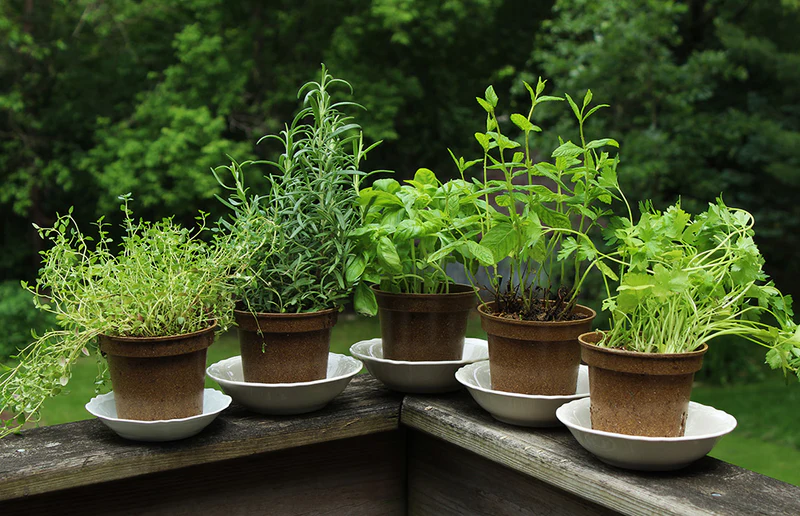
The Art of Growing Aromatic Herbs: A Beginner’s Guide
As we step into the world of cooking, it’s hard not to be captivated by the endless possibilities that aromatic herbs have to offer. From basilico’s bright, citrusy flavor to salvia’s robust, earthy taste, these fragrant plants are a culinary dream come true. But where do you start when it comes to growing your own? In this comprehensive guide, we’ll take you on a journey through the world of aromatic herbs, covering everything from their history and benefits to how to cultivate them successfully.
Understanding Aromatic Herbs
Aromatic herbs are plants that release fragrances or flavors when touched, crushed, or cooked. They’re incredibly versatile and can be used in various ways, adding depth, complexity, and a pop of color to your dishes. With over 400 species to choose from, it’s easy to get overwhelmed by the sheer variety. However, don’t worry – we’ll focus on some of the most popular and easy-to-grow herbs.
Choosing the Right Herbs
When selecting aromatic herbs, consider factors like growth habits, light requirements, and temperature tolerance. Here’s a brief overview of some popular herbs:
- Basilico (annual): Prefers full sun and well-draining soil.
- Erba cipollina (perennial): Thrives in partial shade with moderate watering.
- Menta (perennial): Requires partial shade and consistent moisture.
- Rosmarino (perennial): Loves full sun and dry conditions.
- Salvia (perennial): Prefers well-draining soil and partial shade.
- Timo (perennial): Needs well-draining soil and moderate watering.
Cultivating Aromatic Herbs
Cultivating aromatic herbs requires attention to detail, patience, and a willingness to learn. Here are some general tips:
- Soil: Use high-quality potting soil or garden soil with good drainage.
- Lighting: Most herbs require at least 4-6 hours of direct sunlight per day.
- Watering: Herbs prefer moist soil, but avoid overwatering, which can lead to root rot.
- Fertilization: Feed your herbs with a balanced fertilizer during the growing season.
Some popular methods for cultivating aromatic herbs include:
- Container gardening: Perfect for small spaces or indoor growing.
- Gardening in the ground: Ideal for larger herbs and more complex growth habits.
- Hydroponics: A soilless method that uses nutrient-rich solutions to feed your plants.
Specific Herbs to Grow
Here are some popular aromatic herbs, along with their specific needs and benefits:
- Basilico: Add a bright, citrusy flavor to pesto sauces, salads, and more.
- Erba cipollina: Use its delicate leaves in soups, stews, and pasta dishes.
- Menta: Perfect for making refreshing tea or adding a cooling twist to salad dressings.
- Rosmarino: Add a piney flavor to roasted meats, vegetables, and seafood.
- Salvia: Use its robust leaves in soups, stews, and sauces for added depth.
- Timo: Perfect for making fragrant teas or adding a warm, spicy flavor to dishes.
By following these tips and choosing the right herbs, you’ll be well on your way to creating a thriving aromatic herb garden that will elevate your cooking to new heights.
Frequently Asked Questions
Here are some common questions about growing aromatic herbs:
- How often should I water my herbs?
- Check the soil moisture by sticking your finger into the soil up to the first knuckle.
- Water when the top inch of soil feels dry.
- Can I grow aromatic herbs indoors?
- Yes, but make sure they receive sufficient light and maintain optimal temperatures (65-75°F).
- How do I prune my herbs?
- Pinch off flower buds to encourage leaf growth and prevent seed production.
- Trim back overgrown stems to maintain shape and promote new growth.
Pest Control and Common Issues
As you cultivate your aromatic herb garden, you may encounter pests or common issues. Here are some tips for managing these problems:
- Pests: Use natural pest control methods like neem oil or insecticidal soap.
- Root rot: Improve drainage by adding perlite or sand to the soil.
- Fungal diseases: Practice good hygiene and remove affected plants to prevent spread.
Harvesting Aromatic Herbs
When it comes to harvesting aromatic herbs, timing is everything. Here are some tips for getting the most out of your harvest:
- Pick at the right time: Harvest when the leaves are young and tender.
- Use scissors or pinches: Avoid bruising the leaves with your fingers.
- Dry or preserve: Dry herbs to preserve them for future use, or preserve them in airtight containers.
By following these tips and being mindful of the unique needs of each herb, you’ll be able to create a thriving aromatic herb garden that will provide you with fresh flavors and aromas all season long.
Tips for Beginners
If you’re new to growing aromatic herbs, here are some additional tips to get you started:
- Start small: Begin with a few easy-to-grow herbs like basilico or minta.
- Read labels carefully: Make sure the soil and fertilizer you choose are suitable for your herb plants.
- Join a gardening community: Connect with other gardeners online or in-person to share tips and advice.
By following these tips and being patient, you’ll be able to create a thriving aromatic herb garden that will bring joy and flavor to your cooking.


