
Introduction
In the world of cooking, there’s a secret ingredient that can elevate your dishes from ordinary to extraordinary – aromatic salt. This versatile seasoning is not just limited to adding flavor, but can also help preserve herbs and spices, making it an essential tool for any home cook or professional chef. In this article, we’ll explore the art of making aromatic salt, its benefits, and some creative ways to use it.
What is Aromatic Salt?
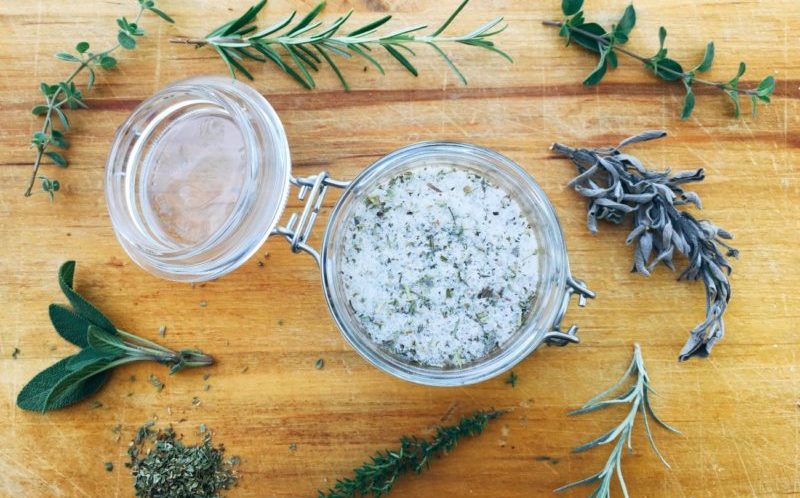
Aromatic salt is a type of salt that’s infused with fragrant herbs and spices, creating a flavorful and aromatic blend. It can be used to season various dishes, from soups to meats, vegetables, and even desserts. The beauty of aromatic salt lies in its versatility – it can be customized to suit your taste preferences, making it an ideal addition to any kitchen.
Why Make Your Own Aromatic Salt?
Making your own aromatic salt is a simple yet rewarding process that allows you to control the ingredients, flavors, and aromas. By using fresh herbs and spices, you can create unique blends that reflect your personal style and culinary preferences. Plus, homemade aromatic salt is often more cost-effective and sustainable than store-bought options.
Preparation Methods
When it comes to making aromatic salt, there are several preparation methods to choose from. Here are a few popular options:
- Traditional Method: This involves mixing salt with dried herbs and spices in a mortar and pestle or using a spice grinder.
- Bimby Method: Some recipes use a Bimby robot or blender to mix the ingredients, resulting in a finer texture.
- Mulino Trituratore: A mulino trituratore (milling machine) is another popular option for creating aromatic salt. This method allows for precise control over the grind size and can result in a more uniform blend.
Basic Recipe
To get started with making your own aromatic salt, here’s a basic recipe:
- 70g of sea salt
- 20g of fresh rosemary leaves
- 10g of dried thyme leaves
Mix these ingredients together using one of the methods mentioned above. You can adjust the proportions to suit your taste preferences.
Variations and Ideas
The possibilities for aromatic salt are endless! Here are some ideas to get you started:
- Arrosti (Meat) Salt: Mix salt with dried herbs like thyme, rosemary, and bay leaves.
- Pesce (Fish) Salt: Combine salt with lemon zest, garlic, and dill for a bright and citrusy flavor.
- Carni (Meat) Salt: Blend salt with smoked paprika, cumin, and coriander for a smoky and savory flavor.
Zucchero Aromatizzato (Aromatic Sugar)
Believe it or not, making aromatic sugar is just as easy as making aromatic salt! Simply mix granulated sugar with dried herbs like anise, sambuco, and tiglio. You can also add floral ingredients like lavender petals or rose hips for a unique twist.
Benefits of Aromatic Salt
Aromatic salt offers several benefits that make it an essential tool in any kitchen:
- Flavor Enhancement: Aromatic salt can elevate the flavor of dishes from soups to meats, vegetables, and even desserts.
- Preservation: The infused herbs and spices in aromatic salt can help preserve them for longer periods, reducing waste and saving money.
- Customization: With homemade aromatic salt, you can create unique blends that reflect your personal style and culinary preferences.
Tips and Tricks
Here are some tips and tricks to keep in mind when making aromatic salt:
- Use High-Quality Ingredients: Fresh herbs and spices are essential for creating aromatic salt. Choose the best quality ingredients available.
- Experiment with Different Blends: Don’t be afraid to experiment with different herbs, spices, and flavor combinations to create unique blends that reflect your personal style.
- Store Aromatic Salt Properly: Store aromatic salt in airtight containers to preserve its flavor and aroma.
Conclusion
Making your own aromatic salt is an exciting journey that allows you to tap into the world of flavors and aromas. With a few simple ingredients and some basic knowledge, you can create custom blends that will elevate your cooking to new heights. Whether you’re a seasoned chef or a home cook, making your own aromatic salts and sugars is an excellent way to add depth, complexity, and personality to your dishes.
Frequently Asked Questions
- Q: Can I use fresh herbs instead of dried ones?
A: Yes! Fresh herbs can be used in place of dried ones for more vibrant flavors. - Q: How do I store my aromatic salt?
A: Store your aromatic salt in airtight containers to preserve its flavor and aroma. - Q: Can I make aromatic sugar with liquid ingredients?
A: Yes! You can mix granulated sugar with liquid ingredients like lemon juice, olive oil, or wine for a unique twist. - Q: How do I measure my ingredients accurately?
A: Use digital scales to measure your ingredients accurately and consistently. -
Q: Can I customize my aromatic salt blends to suit my taste preferences?
A: Absolutely! The beauty of making your own aromatic salt lies in its versatility – feel free to experiment with different herbs, spices, and flavor combinations to create unique blends that reflect your personal style. -
Q: What are the benefits of using homemade aromatic salt?
A: Homemade aromatic salt is often more cost-effective, sustainable, and customizable than store-bought options. - Q: Can I make aromatic salt with other types of sugar?
A: Yes! You can experiment with different types of sugar like brown sugar, turbinado sugar, or muscovado sugar to create unique flavor profiles.
Conclusion
We hope this article has inspired you to explore the world of aromatic salt-making! With its versatility, customization options, and flavor-enhancing properties, making your own aromatic salt is an excellent way to add depth and complexity to your dishes. Whether you’re a seasoned chef or a home cook, we encourage you to experiment with different herbs, spices, and flavor combinations to create unique blends that reflect your personal style and culinary preferences.
Follow Us
If you enjoyed this article, be sure to follow us on social media for more cooking tips, tricks, and inspiration!
- Twitter: @AnnaDeSimone
- Facebook: @AnnaDeSimoneOfficial
- Instagram: @AnnaDeSimoneCuisine


