
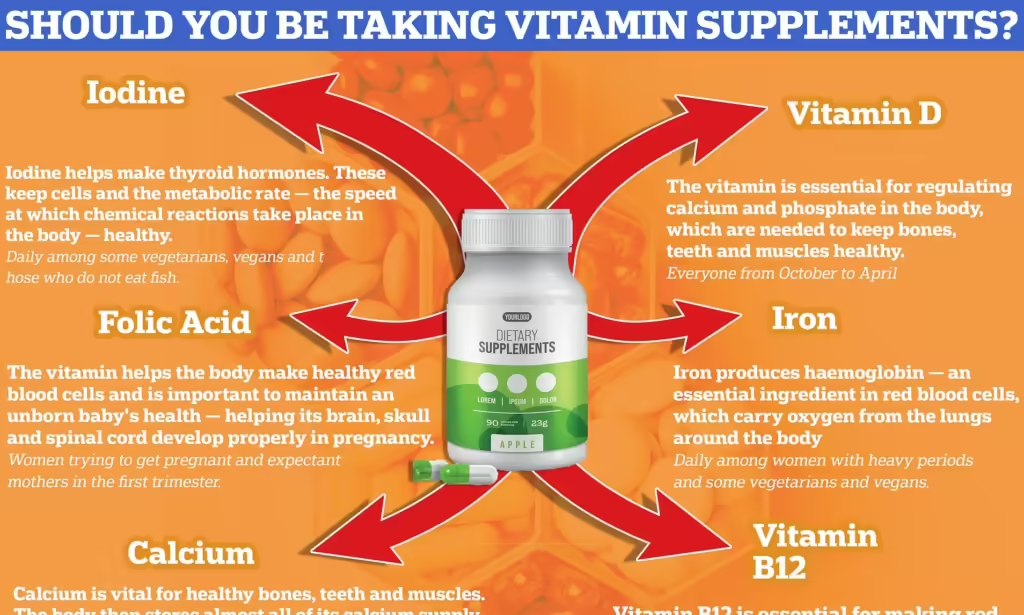
As we navigate the complex landscape of modern health and wellness, it’s natural to wonder if our daily supplements are truly making a difference. In this article, we’ll delve into the world of multivitamins, exploring their benefits, potential risks, and the latest scientific research.
What is Multivitamin Supplementation?
Multivitamin supplements are designed to fill nutritional gaps in our diet, providing essential vitamins and minerals that may be lacking in our food intake. The idea behind these supplements is simple: by taking a multivitamin daily, we can boost our overall health and well-being, reducing the risk of chronic diseases like cancer, cardiovascular disease, and cognitive decline.
The Physicians’ Health Study II (PHS II)
At the heart of this discussion is the Physicians’ Health Study II (PHS II), a groundbreaking clinical trial conducted by the National Institute of Health. This 14-year study involved over 14,000 male physicians, aged 50 and above, who took either a daily multivitamin or a placebo to determine its effects on their health.
What Did PHS II Find?
The results of PHS II were published in several studies, shedding new light on the benefits and potential risks of multivitamin supplementation. The key findings include:
- No significant difference in cancer risk: Despite the promise of prevention, there was no conclusive evidence to support a link between multivitamin use and reduced cancer risk.
- Potential cardiovascular benefits: The study suggested that daily multivitamin use may reduce the risk of heart disease, although more research is needed to confirm this finding.
- Cognitive decline prevention: Multivitamins were found to have no significant impact on cognitive decline or dementia.
The Bottom Line: What Does it All Mean?
So, do multivitamin supplements really work? The answer lies somewhere in between. While there are potential benefits, the evidence is not conclusive, and more research is needed to fully understand their effects. As with any supplement, it’s essential to approach with a critical eye, separating fact from fiction.
The Science Behind Multivitamins
To better understand the role of multivitamins in our diet, let’s delve into some key concepts:
- Vitamin and Mineral Deficiency: Vitamin and mineral deficiencies are common, particularly among those with restrictive diets or certain medical conditions.
- Bioavailability: Bioavailability refers to how effectively a nutrient is absorbed by the body. Factors like absorption rate, metabolism, and interactions with other nutrients can impact bioavailability.
- Dose-Response Relationship: The dose-response relationship describes the correlation between nutrient intake and its effects on health outcomes.
Benefits of Multivitamin Supplementation
While the evidence may be mixed, there are potential benefits to taking multivitamins:
- Filling Nutritional Gaps: Multivitamins can help fill nutritional gaps in the diet, especially among those with restrictive diets or certain medical conditions.
- Reducing Chronic Disease Risk: Some studies suggest that daily multivitamin use may reduce the risk of chronic diseases like cancer and cardiovascular disease.
- Supporting Immune Function: Multivitamins often contain immune-boosting nutrients, which can help support immune function.
Potential Risks and Side Effects
While generally considered safe, there are potential risks and side effects to consider:
- Adverse Reactions: Rare but possible adverse reactions include gastrointestinal issues, allergic reactions, or interactions with certain medications.
- Excessive Intake: Taking excessive amounts of a single nutrient can lead to toxicity or adverse effects.
- Interactions with Medications: Certain nutrients in multivitamins can interact with prescription medications, including blood thinners and diabetes medications.
Choosing the Right Multivitamin
With so many options available, selecting the right multivitamin can be overwhelming. Here are some key considerations:
- Look for Bioavailable Ingredients: Opt for products that contain bioavailable ingredients, which can enhance absorption and utilization.
- Adhere to Good Manufacturing Practices (GMPs): GMPs ensure that the product is manufactured with quality control measures in place.
- Consider Your Nutritional Needs: Choose a multivitamin that meets your individual nutritional needs, taking into account age, sex, and health status.
Frequently Asked Questions
- What are the benefits of taking multivitamins?
- Multivitamin supplementation can help fill nutritional gaps in the diet, reducing the risk of chronic diseases like cancer and cardiovascular disease.
- Are multivitamins effective for preventing cognitive decline?
- The current evidence suggests that daily multivitamin use has no significant impact on cognitive decline or dementia.
- Can multivitamins reduce cancer risk?
- There is no conclusive evidence to support a link between multivitamin use and reduced cancer risk.
- What are the potential risks of taking multivitamins?
- While rare, adverse reactions to multivitamins can occur, especially when taken in excess or with certain medications.
- How often should I take multivitamins?
- Consult with a healthcare professional to determine the best dosage and frequency for your individual needs.
By understanding the benefits, risks, and latest research on multivitamin supplements, you can make informed decisions about your health and wellness. Always consult with a healthcare professional before starting any new supplement regimen.


