
As we gaze up at the night sky, it’s natural to wonder what our ancient ancestors thought about the stars. Were they simply fascinated by the celestial bodies, or did they believe that the heavens held secrets and meanings? This is where archeoastronomy comes in – a fascinating field of study that delves into the intersection of archaeology and astronomy.
What is Archeoastronomia?
Archeoastronomia is an interdisciplinary approach that explores how ancient cultures understood and utilized celestial phenomena. It’s not simply a matter of studying the history of astronomy, but rather examining the cultural, symbolic, and practical aspects of astronomical knowledge. This field allows us to gain insights into the spiritual, social, and economic practices of our ancestors.
Archeoastronomia is distinct from traditional astronomy, which relies on empirical evidence and scientific inquiry. Archeoastronomy, on the other hand, uses a combination of archaeological findings, cultural context, and symbolic analysis to reconstruct ancient celestial understanding.
The Scope of Archeoastronomia
Unlike traditional astronomy, archeoastronomia does not focus on a specific era or geographic location. Instead, it explores the diverse ways in which ancient cultures perceived and utilized celestial bodies across various cultures and time periods.
Each culture has its unique interpretation of the stars, with some viewing them as omens, others as deities, and still, others as navigational aids. By examining these diverse perspectives, archeoastronomia offers a nuanced understanding of how ancient societies thought about the universe and their place within it.
Università per l’Archeoastronomia
Studying archeoastronomia requires a solid foundation in both astronomy and archaeology. This dual training enables researchers to approach the subject with a comprehensive understanding of the cultural, historical, and scientific contexts.
One of the most significant resources for studying archeoastronomia is the field of etnoastronomy, which complements many theories and approaches by providing an in-depth examination of the symbolic meanings associated with celestial bodies across different cultures.
Siti Archeoastronomici
Several sites around the world hold great significance for archeoastronomical research. In Italy, notable locations include:
- Pozzo di Santa Cristina: a remarkable underground well that has been dated to the Neolithic period
- Nuraghe Santa Barbara: an ancient fortified structure in Sardinia, featuring intricate astronomical alignments
- Nuraghe Ruju Sardegna: another notable example of ancient Sardinian architecture with celestial connections
Other important sites include:
- Stonehenge (Inghilterra)
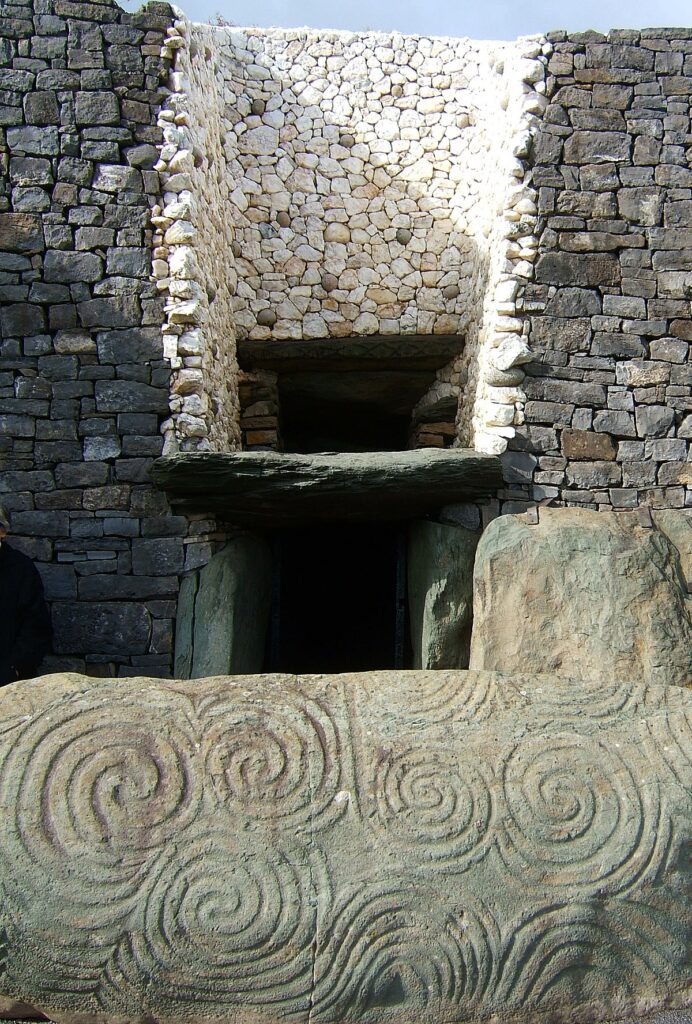
- Newgrange (Irlanda)
- Carnac (Francia)
- Le Grand Menhir Brisé (Francia)
- Piramidi di Giza (Egitto)
These sites provide valuable insights into the astronomical knowledge and practices of ancient civilizations.
Autore: Giulio Magli
One prominent expert in archeoastronomia is Giulio Magli, an Italian author who has written extensively on the subject. His book “Da Stonehenge alle Piramidi” offers a captivating exploration of the intersection between archaeology and astronomy, covering topics from ancient astronomical knowledge to modern interpretations.
Libri sull’Archeoastronomia
Other notable books on archeoastronomia include:
- “Archeoastronomia etrusca” by Paolo Cecconi
- “Stonehenge: A Study of the Monuments and their Astronomical Orientation” by John D. Michael
These texts provide further insights into the fascinating world of archeoastronomia.
Società Italiana di Archeoastronomia (S.I.A.)
The S.I.A. is an active organization dedicated to promoting and supporting research in archeoastronomy. Through conferences, workshops, and publications, the society fosters a community of scholars and enthusiasts working together to advance our understanding of ancient celestial knowledge.
Conclusione:
Archeoastronomia offers a captivating glimpse into the intersection of archaeology, astronomy, and cultural symbolism. By exploring the diverse ways in which ancient cultures understood and utilized celestial phenomena, we can gain a deeper appreciation for the complexity and richness of human experience.
Whether you’re an expert in the field or simply curious about the mysteries of the universe, archeoastronomia has something to offer everyone.
FAQs:
- Q: What is the main difference between traditional astronomy and archeoastronomy?
- Archeoastronomy combines scientific inquiry with cultural context and symbolic analysis, offering a more nuanced understanding of ancient celestial knowledge.
- Q: Which cultures have significant contributions to archeoastronomical research?
- Various cultures throughout history have made important contributions, including ancient civilizations such as the Egyptians, Greeks, and Sardinians.
- Q: What are some notable sites for archeoastronomical research?
- Sites like Stonehenge, Newgrange, Carnac, and the Piramidi di Giza hold great significance for understanding ancient astronomical knowledge and practices.
- Q: Who is Giulio Magli and what has he written about archeoastronomia?
- Giulio Magli is an Italian author who has written extensively on the subject of archeoastronomia, including his book “Da Stonehenge alle Piramidi”.
- Q: What are some key resources for studying archeoastronomia?
- The Società Italiana di Archeoastronomia (S.I.A.) is an active organization promoting research in the field, and texts like Paolo Cecconi’s “Archeoastronomia etrusca” offer further insights into ancient celestial knowledge.


