
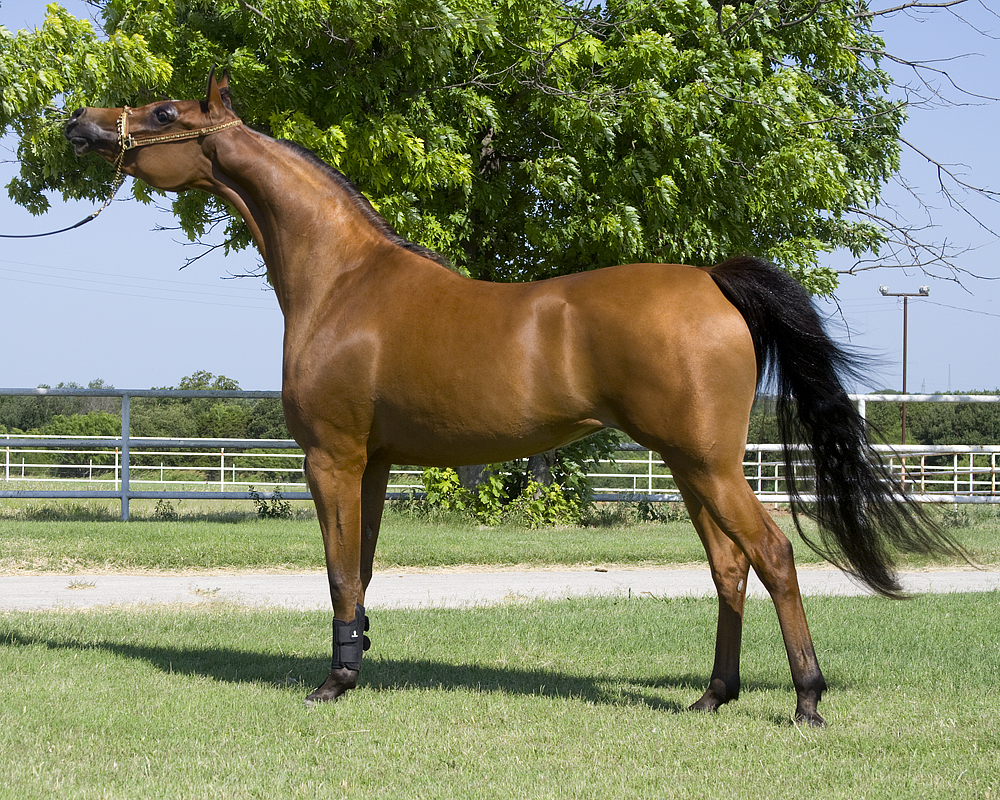
The Majestic Arabian Horse: Characteristics, Care, and Breeding
Introduction
The Arabian horse has been a trusted companion to humans for thousands of years, remaining one of the most revered and sought-after breeds globally. Its elegant appearance belies its impressive muscular structure, with a slender neck, refined head, and athletic build. In this article, we’ll delve into the fascinating world of Arabian horses, exploring their origins, characteristics, care, breeding, and more.
Origins: A History That Dates Back 3,000 Years
The Arabian horse’s illustrious past dates back to around 3,000 BCE, when humans first began domesticating these magnificent creatures. While early records are scarce, it’s clear that the Arabian horse has a rich history of being cherished and utilized for transportation, work, and companionship.
Over time, three distinct types of Arabian horses emerged: the Bedouin, purebred Arab, and Raza Arabi. The Bedouin type is characterized by its robustness, strength, and endurance, while the purebred Arab is renowned for its elegance, beauty, and athletic prowess. The Raza Arabi, on the other hand, represents a more refined and compact version of the breed.
Characteristics: A Unique Blend of Strength and Elegance
A classic Arabian horse stands approximately 1.5 meters tall, with an average weight range of 380-490 kilograms. Its distinctive features include:
- Elegant Headline: A small, refined head with a well-defined muzzle
- Diverse Coat Colors: Gray, bay, chestnut, and roan – each adding to the breed’s unique charm
- Compact Build: A shorter back compared to other horse breeds, allowing for enhanced agility
Breeding: The Art of Selective Reproduction
In Arabian horses, breeding is a meticulous process involving careful selection and timing. Stallions typically mate with mares during their most fertile period, between 2-15 years old, depending on the mare’s age and reproductive cycle.
The importance of selecting the right stallion and mare cannot be overstated, as it can significantly impact the offspring’s quality, temperament, and athletic ability.
Care and Handling: A Gentle Touch Required
Arabian horses are known for their high-strung personalities, requiring an experienced handler to understand their needs and temperaments. Their delicate physiques demand gentle care, including:
- Regular Exercise: Regular riding, trotting, or galloping to maintain muscle tone
- Nutritional Balance: A balanced diet rich in fiber, vitamins, and minerals
- Social Interaction: Providing regular socialization with other horses and humans
Allevamenti in Italy: Discovering Top-Notch Breeders
Across Italy’s diverse regions, numerous breeders are dedicated to preserving the Arabian horse breed. Three notable examples include:
- Evolution Horse (Grosseto): Specializes in breeding both Gallopers and Franchisi American horses
- Clodia (Anguillara Sabazia): Expertise lies in Anglo-Arab and purebred Arab horses
- Kaftara Arabians Farm (Pace del Mela, Sicily): Focuses on breeding Arabian horses for show competitions
Regional Variations
While the breed has spread across the globe, regional variations can significantly impact an individual horse’s characteristics.
- Arabian Horse Breed Groups: Within the breed, there are three main groups: the Bedouin, Franchiisi, and Gallopers.
- Diversity of Arabian Horses: The breed encompasses diverse types, including purebred Arab, Anglo-Arab, and American Sport Pony.
Conclusion
The Arabian horse is a majestic breed that has captivated humans for millennia with its elegance, athleticism, and unwavering loyalty. By understanding the intricacies of this magnificent creature’s history, characteristics, care, and breeding practices, we can better appreciate the bond between humans and horses.
Q\&A
- 1. How long does an Arabian horse typically live?
Arabian horses have an average lifespan of 25-35 years, depending on factors such as diet, exercise, and health conditions. - 2. What is the typical weight range for a male Arabian horse?
Males typically weigh between 450-550 kg (1,000-1,212 lbs), although some exceptional individuals may reach up to 600 kg (1,323 lbs). - 3. Can any human handle an Arabian horse?
Due to their high-strung nature and delicate physical characteristics, it’s essential for handlers to possess extensive experience and knowledge in handling these horses. - 4. How often should I feed my Arabian horse?
A balanced diet rich in fiber, vitamins, and minerals is necessary to maintain your horse’s overall health and well-being. The frequency of feeding depends on factors like the horse’s age, size, and activity level. - 5. Can an Arabian horse be used for therapeutic purposes?
Yes, Arabian horses are highly sought after for their gentle nature and therapeutic qualities, making them ideal for equine-assisted therapy programs and activities.
Arabian Horse Care
Proper care is essential to maintaining the health and well-being of your Arabian horse. This includes:
- Regular Veterinary Check-ups: Regular veterinary visits can help detect any potential health issues early on.
- Hoof Care: Keeping hooves trimmed and maintained can prevent lameness and other hoof-related problems.
- Fencing and Enclosures: Providing a safe and secure environment is crucial for preventing injuries and accidents.
By understanding the needs of these magnificent creatures, we can provide them with the care and attention they deserve.


