
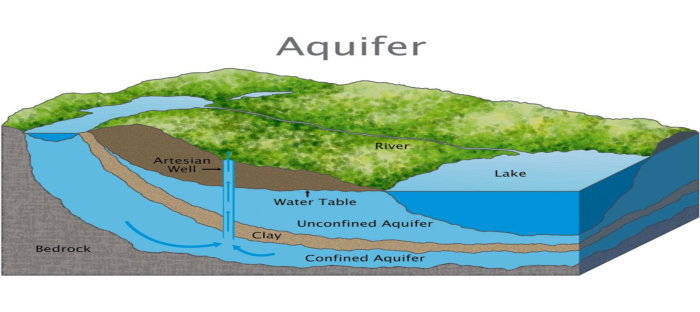
When discussing environmental pollution, falde acquifere (groundwater springs) often come up as a concern. However, these terms are often used loosely without clear understanding of what they actually mean or how they impact our daily lives.
In this article, we’ll delve into the world of groundwater and explore what falde acquifere are, why they’re important, and how human activities can affect them.
What Are Falde Acquifere?
Falde acquifere refer to zones in permeable rocks where water can flow through the rock due to gravity. The term “falda” originates from the German word “falte,” meaning folds or depressions, which describes the way these underground aquifers form.
In essence, falde acquifere are reservoirs of groundwater that can be replenished by rainfall and snowmelt, but also rely on the surrounding soil to filter out impurities. The quality of the water in these springs is crucial for both human consumption and the environment.
Types of Groundwater: Understanding the Forms
There are several types of groundwater, each with distinct characteristics:
- Acqua di adsorbimento (adsorptive water): This type of water is bound to the soil particles through electrochemical forces and can’t be pumped out.
- Acqua pellicolare (pellicular water): This water can move up to the surface due to capillary action.
- Acqua anulare (anular water): This water occupies the spaces between soil particles, either partially or fully. When under tension, it forms a meniscus and can be isolated.
These different types of groundwater interact with the surrounding environment in unique ways, influencing local ecosystems and supporting life on Earth.
How Do Falde Acquifere Form?
The formation of falde acquifere is closely tied to geological processes. It begins with rainfall and snowmelt, which seep into the ground and eventually become part of the aquifer. As the water moves downward, it encounters impermeable layers that can be either rock or soil.
Over time, this process creates a network of underground channels and pools that store groundwater for future use. The size and location of these aquifers vary greatly depending on factors like geology, climate, and human activities.
Depth Matters: Exploring the World Below
The depth at which falde acquifere are located plays a significant role in their accessibility and sustainability. In some areas, shallow aquifers can be found near the surface, while others may require drilling or digging to access.
Artesian aquifers, for example, are pressurized water sources that can flow naturally from wells without pumping. However, these deep-water springs often require extensive excavation and are typically located in regions with specific geology.
Factors That Influence Falde Acquifere
Several factors influence the formation and sustainability of falde acquifere:
- Geology: The type of rock and soil present affects the aquifer’s size, depth, and quality.
- Climate: Rainfall and snowmelt contribute to groundwater recharge, but changing climate patterns can alter this process.
- Human activities: Development, agriculture, and industry can impact falde acquifere by contaminating water sources or altering soil chemistry.
Effects of Human Activities on Falde Acquifere
Human activities have significant impacts on falde acquifere:
- Contamination: Chemical runoff from agricultural fields, industrial waste, and sewage can pollute groundwater springs.
- Over-extraction: Over-pumping of aquifers can lead to decreased water levels and reduced sustainability.
- Climate change: Rising temperatures and altered precipitation patterns affect groundwater recharge.
Conclusion: Protecting Our Groundwater Resources
As we explore the complex world of groundwater, it’s clear that understanding falde acquifere is crucial for preserving our planet’s precious water resources.
By acknowledging the importance of these underground aquifers and the impact human activities can have on them, we can work together to protect and conserve these vital ecosystems.
Frequently Asked Questions (FAQs)
- What are some common threats to groundwater quality?
- Chemical contamination, agricultural runoff, and climate change all pose significant risks to groundwater purity.
- How do falde acquifere support local ecosystems?
- Groundwater springs provide habitats for aquatic life, filter out pollutants, and maintain soil health.
- Can I access my own underground water supply at home?
- In some areas, it’s possible to tap into a nearby aquifer with the help of a professional driller or plumber. However, this requires careful consideration of local regulations and safety precautions.
- How can I reduce my impact on groundwater resources?
- Simple actions like reducing water waste, using eco-friendly cleaning products, and supporting sustainable agriculture practices can all contribute to preserving our groundwater supplies.
- Are there any regions where falde acquifere are particularly scarce or valuable?
- Areas with high rainfall, suitable geology, and limited human development tend to have more accessible and abundant groundwater resources.
Case Studies: Protecting Falde Acquifere Around the World
- The Great Artesian Basin in Australia: Efforts to protect this massive aquifer involve implementing regulations on water usage and promoting sustainable agriculture practices.
- The Ogallala Aquifer in the United States: Conservation initiatives focus on reducing agricultural runoff and encouraging efficient irrigation systems.
By understanding falde acquifere, we can take steps to preserve these vital ecosystems and ensure a sustainable future for our planet.


