
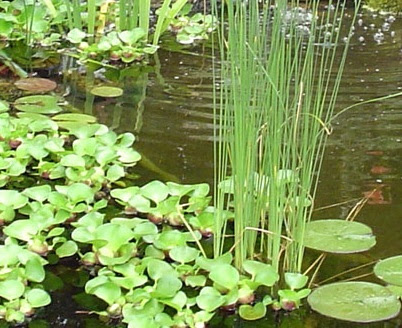
As the cornerstone of a thriving pond ecosystem, aquatic plants play a vital role in maintaining water quality and providing aesthetic value. In this article, we will delve into the world of aquatic plants, exploring their benefits, types, and how to successfully cultivate them in your pond.
Understanding Aquatic Plants
Aquatic plants are incredibly beneficial for ponds, as they absorb nutrients and pollutants from the water. By consuming substances like ammonia, ammonium, nitrates, and phosphates, these plants act as natural filters, purifying the water and creating a healthy environment for other aquatic life.
In addition to their water-purifying abilities, aquatic plants also help to keep algae at bay by competing with them for nutrients. This is particularly important, as excessive algae growth can lead to an imbalance in the pond’s ecosystem.
Choosing the Right Aquatic Plants
With so many types of aquatic plants available, selecting the right ones for your pond can be overwhelming. It’s essential to choose plants that are suitable for your pond’s conditions and provide the desired benefits.
When choosing aquatic plants, consider factors like water depth, light exposure, and nutrient availability. Here are some popular types of aquatic plants that thrive in different conditions:
- Submerged Plants: These plants grow below the water’s surface and are ideal for ponds with deep water or strong currents.
- Emergent Plants: Growing above the waterline, these plants can tolerate high light levels and provide an attractive display of foliage.
- Floating Plants: Perfect for ponds with shallow water, floating plants help to keep algae at bay while adding a touch of beauty.
Creating a Thriving Aquatic Plant Community
To establish a thriving aquatic plant community, follow these steps:
- Select a variety of plants that cater to different conditions and provide a balanced ecosystem.
- Ensure adequate nutrients are available in the pond water by using fertilizers or natural alternatives like compost tea.
- Provide proper lighting for your chosen plants, taking into account their specific requirements.
- Regularly monitor the pond’s water quality and adjust plant care accordingly.
Best Practices for Pond Maintenance
To keep your aquatic plant community thriving:
- Regularly clean the pond: Remove debris, dead plants, and other obstructions to maintain optimal water flow and prevent the spread of disease.
- Monitor water levels: Ensure that the water level remains consistent to avoid extreme fluctuations that can harm plants or cause algae growth.
Common Challenges in Aquatic Plant Care
While aquatic plant care can be rewarding, it’s not without its challenges. Some common issues include:
- Algae growth: Excessive algae growth can be caused by over-fertilization, poor water circulation, or inadequate lighting.
- Pests and diseases: Pests like snails and insects can harm plants, while diseases can spread quickly if left untreated.
- Nutrient imbalances: Imbalanced nutrient levels can lead to stunted plant growth or even plant death.
Tips for Overcoming Common Challenges
To overcome common challenges in aquatic plant care:
- Use natural methods to control algae growth: Implementing a balanced ecosystem and controlling nutrient levels can help reduce algae growth.
- Introduce beneficial microorganisms: Beneficial bacteria like those found in compost tea can help break down nutrients and prevent disease.
- Regularly inspect your pond for signs of pests or diseases: Catching problems early on can help prevent the spread of disease and minimize damage.
Conclusion
Aquatic plants are a crucial component of any thriving pond ecosystem. By understanding their benefits, choosing the right types, and implementing effective care practices, you can create a beautiful and sustainable aquatic plant community that provides years of enjoyment and ecological balance.
Frequently Asked Questions
- What is the best time to introduce aquatic plants to my pond?
- The ideal time for introducing aquatic plants depends on your location and climate. Generally, spring and summer are suitable periods, as they offer optimal water temperatures.
- How often should I fertilize my aquatic plants?
- Fertilization frequency varies depending on plant type, nutrient availability, and pond size. As a general rule, fertilize your plants regularly during the growing season to promote healthy growth.
- What are some common mistakes to avoid when caring for aquatic plants?
- Common pitfalls include over-fertilizing, under-watering, and neglecting regular maintenance tasks like cleaning the pond and monitoring water quality.
- Can I use any type of fertilizer on my aquatic plants?
- Not all fertilizers are suitable for aquatic plants. Look for products specifically designed for ponds or aquatic gardens to avoid harming your plant life.
- How can I prevent algae growth in my pond?
- Implementing a balanced ecosystem with diverse aquatic plants, controlling nutrient levels, and maintaining good water circulation can help reduce algae growth.
By following these guidelines and understanding the importance of aquatic plants in your pond, you’ll be well on your way to creating a thriving and beautiful aquatic plant community.


