
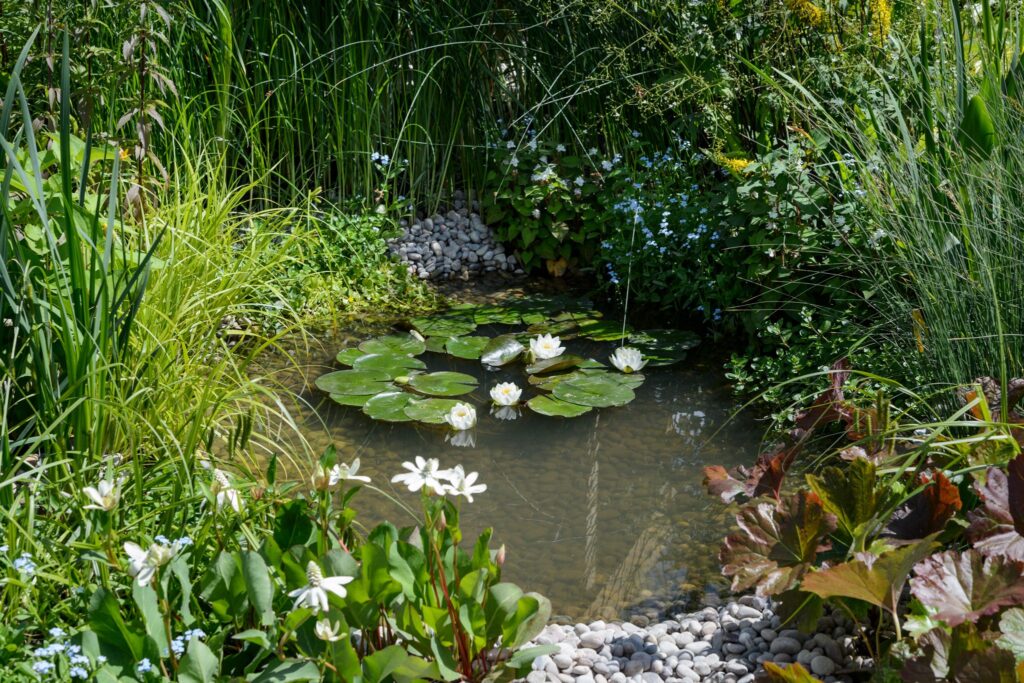
Creating a Natural Oasis: Choosing the Right Aquatic Plants for Your Pond
As you gaze into your pond’s tranquil waters, you might wonder what’s missing to make it truly special. One answer lies in adding aquatic plants, which can elevate the beauty and health of your water feature. In this article, we’ll explore the benefits of incorporating aquatic plants into your pond and provide guidance on selecting the right species for your unique environment.
The Benefits of Aquatic Plants
Aquatic plants bring numerous advantages to your pond ecosystem:
- They create a natural habitat for fish and other aquatic creatures, promoting biodiversity and supporting their growth.
- By producing oxygen, these plants help maintain water quality and prevent stagnation.
- Aquatic plants reduce the need for manual maintenance by absorbing nutrients and pollutants from the water.
- They also suppress the growth of algae and mucilages, preventing these unwanted plants from dominating your pond.
Aquatic plants are a low-maintenance way to enhance your pond’s ecosystem, but it’s essential to choose the right species for your unique environment. Selecting the right aquatic plants depends on various factors, including:
- Location: Consider the climate and region where you live to ensure you choose plants that thrive in those conditions.
- Water quality: Some plants are more tolerant of poor water quality than others.
- Pond size and shape: Larger ponds may require more plant material, while smaller ponds might benefit from a variety of species.
Choosing the Right Aquatic Plants
When selecting aquatic plants for your pond, consider the following factors:
- Climate: Choose plants that are suitable for your local climate and temperature range.
- Water depth: Select plants that can tolerate the water depth in your pond.
- Lighting: Consider plants that require low or high lighting levels.
Types of Aquatic Plants
There are three main categories of aquatic plants:
- Oxygenating plants: These plants produce oxygen, such as Potamogeton Egeria Densa.
- Floating plants: They float on the surface of the water, like water lilies or duckweed. Examples include:
- Water Lilies (Nymphaea spp.)
- Duckweed (Lemna minor)
- Submerged plants: They grow below the water’s surface and are often used to create a natural habitat for fish. Examples include:
- Hornwort (Ceratophyllum demersum)
- Anacharis (Elodea canadensis)
Popular Aquatic Plant Options
Some popular aquatic plant species for ponds include:
- Water lilies: These plants provide shade, shelter, and food for fish.
- Hornwort: This submerged plant helps maintain water quality by absorbing excess nutrients.
- Anacharis: Anacharis is a fast-growing oxygenating plant that can be used to create a natural barrier against algae.
Tips for Planting Aquatic Plants
To ensure the success of your aquatic plants, follow these guidelines:
- Choose healthy plants from reputable suppliers or nurseries.
- Research specific planting requirements for each species, including lighting and fertilization needs.
- Plant in moderation, taking care not to overcrowd the pond.
Aquatic plant care is crucial to maintaining a balanced ecosystem. Here are some additional tips to keep in mind:
- Water circulation: Ensure that water circulation is adequate to prevent stagnation and promote healthy growth.
- Fertilization: Use fertilizers specifically designed for aquatic plants to provide essential nutrients.
- Pest control: Regularly monitor your pond for pests and take action promptly to prevent infestations.
By incorporating aquatic plants into your pond, you can create a thriving ecosystem that benefits both fish and humans. Remember to choose plants that suit your unique environment and follow proper planting guidelines to ensure their success.
Conclusion
Incorporating aquatic plants into your pond is an excellent way to enhance its beauty and health. By selecting the right species for your unique environment, following proper planting guidelines, and providing adequate care, you can create a natural oasis that benefits both fish and humans.


