
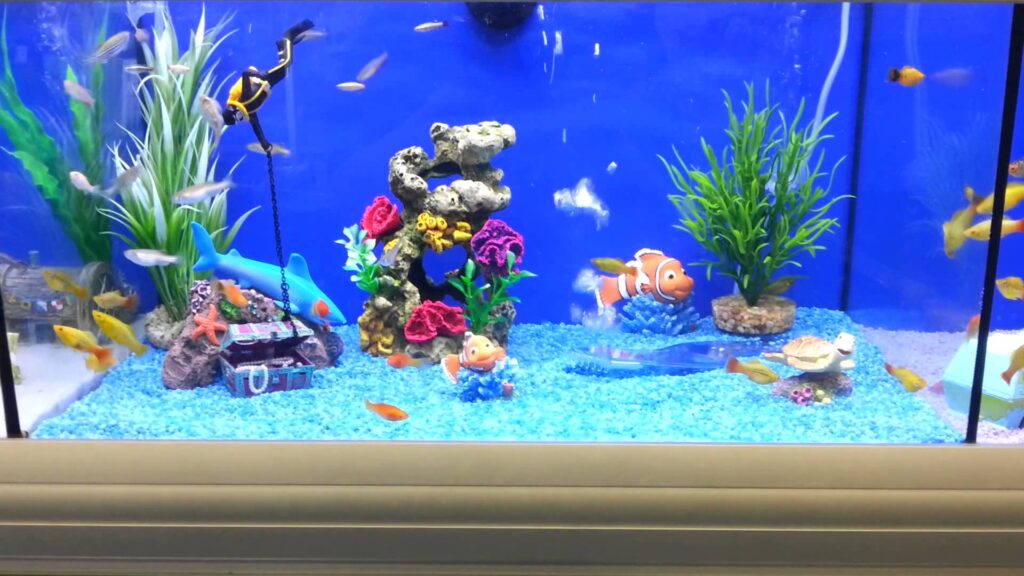
Choosing the Right Rocks for Your Aquarium: A Comprehensive Guide
Are you considering adding rocks or pebbles to your aquarium? With so many options available, it’s easy to get overwhelmed and unsure about which ones to choose. However, choosing the right rocks for your aquarium is crucial to creating a healthy environment for your fish.
In this article, we’ll explore the importance of selecting the right rocks, discuss common types of rocks, and provide tips on how to choose the best ones for your aquarium.
The Importance of Choosing the Right Rocks
Choosing the right rocks for your aquarium is not just about aesthetics; it’s also crucial for maintaining a healthy environment for your fish. Rocks can affect the water chemistry, provide hiding places for your fish, and even help to filter the water.
However, some rocks can be toxic or harmful to your fish if they’re not chosen carefully. For example, rocks with high levels of minerals like copper or iron can alter the pH of the water, while rocks with sharp edges can harm your fish.
Types of Rocks for Aquariums
There are three main categories of rocks that are commonly used in aquariums:
- Sedimentary rocks: These include mudstone, limestone, sandstone, and shale. They’re often used to create a natural-looking substrate in the aquarium.
- Igneous rocks: These include granite, basalt, and dolerite. They’re often used to add visual interest to the aquarium and can help to create a sense of depth.
- Metamorphic rocks: These include marble, slate, and quartzite. They’re often used to add texture and interest to the aquarium.
Choosing the Right Rocks for Your Aquarium
When choosing rocks for your aquarium, there are several factors to consider:
- Color: Choose rocks that complement the color of your fish and the background.
- Texture: Choose rocks with a texture that provides hiding places for your fish.
- pH level: Choose rocks that won’t alter the pH level of the water in your aquarium.
- Sharp edges: Avoid rocks with sharp edges that can harm your fish.
Tips for Choosing the Right Rocks
Here are some additional tips to keep in mind when choosing rocks for your aquarium:
- Research different types of rocks: Before making a purchase, research different types of rocks and their potential effects on your aquarium.
- Read reviews: Read reviews from other aquarists to get an idea of the pros and cons of different rocks.
- Consult with an expert: If you’re unsure about which rocks to choose, consult with an expert at a local pet store.
Benefits of Using Rocks in Your Aquarium
Using rocks in your aquarium can have several benefits:
- Improved water chemistry: Rocks can help to stabilize the pH and temperature of the water in your aquarium.
- Increased hiding places for fish: Rocks provide hiding places for fish, helping to reduce stress and improve their overall well-being.
- Enhanced filtration: Some rocks, like granite, have high levels of silica that can help to filter out impurities from the water.
Common Mistakes to Avoid
Here are some common mistakes to avoid when choosing rocks for your aquarium:
- Using rocks with high copper content: Rocks with high copper content can alter the pH of the water and harm your fish.
- Not researching different types of rocks: Failing to research different types of rocks can lead to poor choices that harm your fish or affect the water chemistry in your aquarium.
- Ignoring sharp edges: Ignoring sharp edges on rocks can lead to injuries or damage to your equipment.
Creating a Natural-Looking Environment
To create a natural-looking environment for your fish, consider using a combination of different types of rocks and other decorations:
- Sedimentary rocks: Use sedimentary rocks to create a natural-looking substrate in the aquarium.
- Igneous rocks: Use igneous rocks to add visual interest to the aquarium and help to create a sense of depth.
- Plants: Consider using plants like Java moss or anacharis to add color and texture to the aquarium.
Conclusion
Choosing the right rocks for your aquarium is crucial to creating a healthy environment for your fish. By researching different types of rocks, reading reviews from other aquarists, and consulting with experts, you can make informed decisions about which rocks to choose for your aquarium. Remember to avoid common mistakes like using rocks with high copper content or ignoring sharp edges, and consider using a combination of different types of rocks and decorations to create a natural-looking environment.
By following these tips and guidelines, you can create a thriving aquarium that will provide years of enjoyment for both you and your fish.
Recommended Resources
Here are some recommended resources for learning more about choosing the right rocks for your aquarium:
- The Aquarium Encyclopedia: This comprehensive guide covers all aspects of aquarium care, including rock selection.
- The Aquarist’s Guide to Rocks and Minerals: This book provides detailed information on different types of rocks and their potential effects on aquariums.
- The Aquarium Forum: This online forum is a great place to ask questions and get advice from experienced aquarists.
By taking the time to research and choose the right rocks for your aquarium, you can create a thriving environment that will provide years of enjoyment for both you and your fish.


