
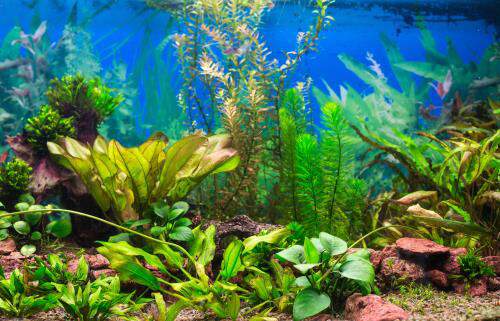
When it comes to creating a stunning and thriving aquarium, many aquarists overlook one crucial aspect: live plants. These aquatic plants not only add beauty and visual interest to your tank but also contribute significantly to maintaining a balanced water quality. In this article, we’ll explore the importance of choosing the right aquarium plants for your setup.
Why Choose Aquarium Plants?
So, why introduce aquatic plants into your aquarium in the first place? For one, live plants produce oxygen through photosynthesis, absorbing carbon dioxide and degrading waste materials in the process. This not only creates a more natural environment but also helps to keep your water quality stable. Moreover, adding plants to your aquarium can make it look healthier, more stable, and more beautiful – a win-win for both you and your fish!
The Three Phases of Choosing Aquarium Plants
Choosing the right aquarium plants requires careful planning and consideration. There are three key phases to keep in mind:
- Design Phase: This is where you decide on the overall look and feel of your aquarium. Consider the type of fish you’ll be keeping, the size of your tank, and the style you’re aiming for.
- Learning Phase: Once you’ve decided on your design, it’s time to learn more about the different types of aquatic plants available. This will help you choose the right plants for your setup.
- Planting Phase: Finally, it’s time to prepare your aquarium and add your chosen plants.
Types of Aquarium Plants
Aquatic plants come in a wide range of shapes, sizes, and types. Here are some common categories:
- Stem Plants: These include flowering plants with long stems, as well as ferns and moss (rhizomes).
- Bulbs and Tubers: Some aquatic plants thrive in the substrate, while others prefer to float or be rooted.
- Floating Plants: These plants grow above the waterline and can help shade fish tails or provide hiding spots.
Planning Your Aquarium with Plants
When planning your aquarium, consider dividing it into three areas:
- Background Area: This is where you’ll place plants with high growth rates, such as ferns and flowering plants.
- Central or Intermediate Area: This area should include a mix of low-growing and moderate-height plants to create visual interest.
- First Plane: Single plants or low-growing plants that cover the ground are perfect for this area.
Considering Fish Needs
Remember that your fish need hiding places, but also require open spaces to swim. When choosing plants, consider their height and width, as well as how much they’ll spread out as they grow and propagate.
Background Plants
The background areas of your aquarium are the perfect spot for plants with high growth rates. Some ferns and flowering plants are ideal for this area – just make sure they don’t become too shrub-like!
- Ferns: Ferns come in a variety of shapes, sizes, and colors, making them a great addition to any background area.
- Flowering Plants: These plants add a pop of color and texture to your aquarium, while also providing hiding spots for fish.
Central Area Plants
The central area is the main focus of your aquarium, and proper placement of plants is essential for a balanced design. Consider low-growing plants with moderate height to create visual interest.
- Anacharis: Anacharis is a popular choice for the central area due to its ability to provide shade and hiding spots for fish.
- Java Moss: Java moss is another great option for the central area, as it can be trained to grow up plants or left to trail on the substrate.
First Plane Plants
For the first plane, choose low-growing plants that won’t block your view of the rest of the tank. These plants can provide hiding spots for fish tails or add color to your aquarium.
- Dwarf Hairgrass: Dwarf hairgrass is a great choice for the first plane area, as it’s easy to care for and provides plenty of hiding spots.
- Ceratopteris: Ceratopteris is another popular choice for the first plane area, with its delicate white flowers adding a touch of elegance.
Surface Plants
The surface area is where live plants can thrive without needing to root themselves in the substrate. Some aquatic plants grow tall and spread out into the surface, providing great hiding spots for fish tails – just be careful not to shade other plants!
- Water Wisteria: Water wisteria is a popular choice for the surface area due to its ability to provide shade and hide fish from view.
- Hornwort: Hornwort is another great option for the surface area, as it can help keep the water clear by absorbing excess nutrients.
Choosing Healthy Plants
When buying plants, look for healthy and young specimens. Signs of unhealthy plants include yellowed leaves, hollow leaves, missing leaves, bent stalks, or white, damaged roots.
By following these tips and considering the unique needs of your aquarium and fish, you’ll be well on your way to creating a stunning and thriving aquatic environment that’s both beautiful and sustainable.
Frequently Asked Questions
- What type of plants are best for beginners?
- For beginners, consider low-maintenance plants like Java Moss or Anacharis.
- How often should I water my aquarium plants?
- Watering frequency will depend on the type of plant and the tank’s water conditions – research specific needs for each species.
- Can I use gravel instead of substrate in my aquarium?
- No, gravel can be too coarse for some aquatic plants, so it’s best to stick with a substrate specifically designed for aquariums.
- How do I care for my floating plants?
- Floating plants require regular pruning and maintenance to keep them healthy and prevent algae growth.
- Can I mix plants that are not compatible in the same tank?
- No, some plants may compete with each other for resources or light – research compatibility before introducing new species.
- What is the best way to propagate aquarium plants?
- Research specific propagation methods for each species, but generally, plants can be propagated by cutting stem sections and planting them in a suitable substrate.
- Can I use artificial plants instead of live plants?
- No, artificial plants lack the natural benefits of live plants – such as oxygen production and water quality maintenance.
- How often should I fertilize my aquarium plants?
- Fertilization frequency will depend on the type of plant and tank conditions – research specific needs for each species.
By choosing the right aquarium plants and following these tips, you’ll be well on your way to creating a stunning and thriving aquatic environment that’s both beautiful and sustainable.


