
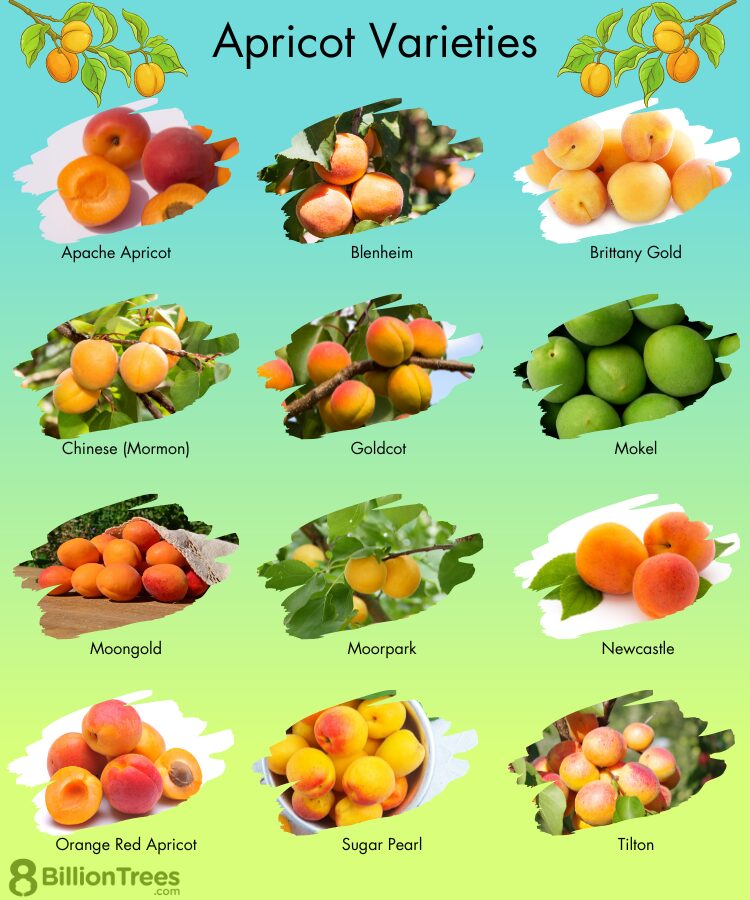
As we savor the sweet and tangy taste of an albacocca, have you ever wondered what makes this fruit so special? Beyond its delicious flavor and versatility in cooking, the albacocca is a treasure trove of nutrients, making it a guilt-free addition to our diets. In this article, we’ll delve into the world of albacocca varieties, exploring the best ones to try and their unique characteristics.
What is an Albicocca?
Before diving into the different types of albacocca, let’s start with the basics. What is an albicocca, exactly? An albicocca (Prunus armeniaca) is a type of stone fruit that belongs to the same family as cherries and plums. Native to Armenia, it has gained popularity worldwide for its unique flavor profile, which combines sweet and tart notes.
The albicocca’s texture is also noteworthy, with a firm yet tender skin and a juicy pulp inside. The pit, or stone, of the fruit is used in baking and cooking, giving the albacocca its distinctive aroma. Rich in fiber, antioxidants, and beta-carotene, this fruit has numerous health benefits.
History of Albicocca
The history of albicocca dates back to ancient Armenia, where it was considered a sacred fruit. The fruit was highly valued for its flavor, nutritional properties, and medicinal uses. As trade routes expanded, the albacocca spread throughout Europe and Asia, becoming a staple in many cuisines.
Exploring Albicocca Varieties
Now that we’ve covered the basics, let’s explore some of the most popular albicoccha varieties:
Albicocche Campane
While “albicocche campane” isn’t a specific variety, it refers to a group of albacoccha fruits from the Campania region in Italy. These fruits are known for their delicate flavor and sweet aroma.
- Albicocca Vesuviana (Crisommole): This is one of the most well-known varieties from Campania. Its flesh is firm, with a sweet and slightly tart taste.
- Preola: Smaller than other varieties, preolas have a sweeter flavor and are often preferred by those who love albacoccha.
- Diavola: Named for its distinctive red stripes on the skin, this variety has a more intense flavor and is prized for its sweetness.
Albicocca di Imola (Royal Albicocca)
Hailing from Emilia-Romagna, this late-ripening albacoccha variety is renowned for its rich flavor and firm texture. Due to its unique maturation process, it’s essential to collect these fruits carefully to avoid damage.
Albicocca di Galàtone
Originating from the Puglia region, this albacoccha has a distinctive appearance with small spots on the skin. Its flesh is soft and sweet, making it perfect for jams and preserves.
Albicocca Valleggia
This variety from the Italian Alps is notable for its intense flavor and aroma. Despite its smaller size, it packs a punch when it comes to taste.
Albicocca Amabile Vecchioni
A rare but sought-after variety, this albacoccha is characterized by its large size and sweet-tart flavor. Its distinctive orange hue makes it easy to identify.
Albicocca Val Venosta (Vinschger Marille)
From the northern regions of Italy and Austria, this albacoccha is prized for its unique flavors in jams and desserts. Cultivated at moderate altitudes, it’s a delicacy worth trying.
Growing Albicocca
If you’re interested in growing your own albicocca tree, here are some tips:
- Climate: Albicoccas prefer a warm climate with mild winters and cool summers.
- Soil: They thrive in well-drained soil with a pH between 6.0 and 7.0.
- Pruning: Regular pruning is essential to maintain the tree’s shape and promote fruiting.
Nutritional Value of Albicocca
Albicoccas are packed with nutrients, making them an excellent addition to a healthy diet. Here are some of the key nutritional benefits:
- Fiber: Rich in dietary fiber, albacoccas can help lower cholesterol levels and regulate digestion.
- Antioxidants: Packed with antioxidants, albacoccas have anti-inflammatory properties that can help protect against chronic diseases.
- Beta-carotene: This fruit is an excellent source of beta-carotene, which converts to vitamin A in the body, supporting healthy vision and immune function.
Culinary Uses
Albicoccas are a versatile ingredient in many cuisines, from jams and preserves to desserts and salads. Here are some ideas for using albacocca:
- Fresh fruit: Enjoy albacoccas fresh as a snack or dessert.
- Jams and preserves: Cook down albacoccas with sugar and pectin to create delicious homemade jam or preserve.
- Baking: Use albacocca in cakes, pies, and tarts for added flavor and texture.
- Salads: Slice albacoccas thinly and add them to green salads or fruit salads for a burst of freshness.
Conclusion
In conclusion, the world of albicocca varieties offers a rich tapestry of flavors, textures, and aromas. From sweet to tart, each variety has its unique charm. Whether you’re an experienced gourmand or just discovering the delight of albacocca, there’s something for everyone.
Frequently Asked Questions
- What is the best way to consume albacoccha?
- Enjoy it fresh as a snack or dessert.
- How do I store albicocche?
- Keep them in a cool, dry place to preserve freshness.
- Can I grow an albococca tree at home?
- Yes, but ensure you have the right climate and care for optimal results.
- What is the nutritional value of albacoccha?
- Rich in fiber, antioxidants, and beta-carotene.
- How often can I eat albacoccha?
- Enjoy them in moderation due to their high sugar content.
- Can I use albicocca for medicinal purposes?
- Consult a healthcare professional before using albicocca for medical benefits.
By exploring these different albacoccha varieties, you’ll discover the unique characteristics of each one and be inspired to incorporate them into your cooking and baking adventures. So go ahead, indulge in this delicious and nutritious fruit – your taste buds will thank you!


