
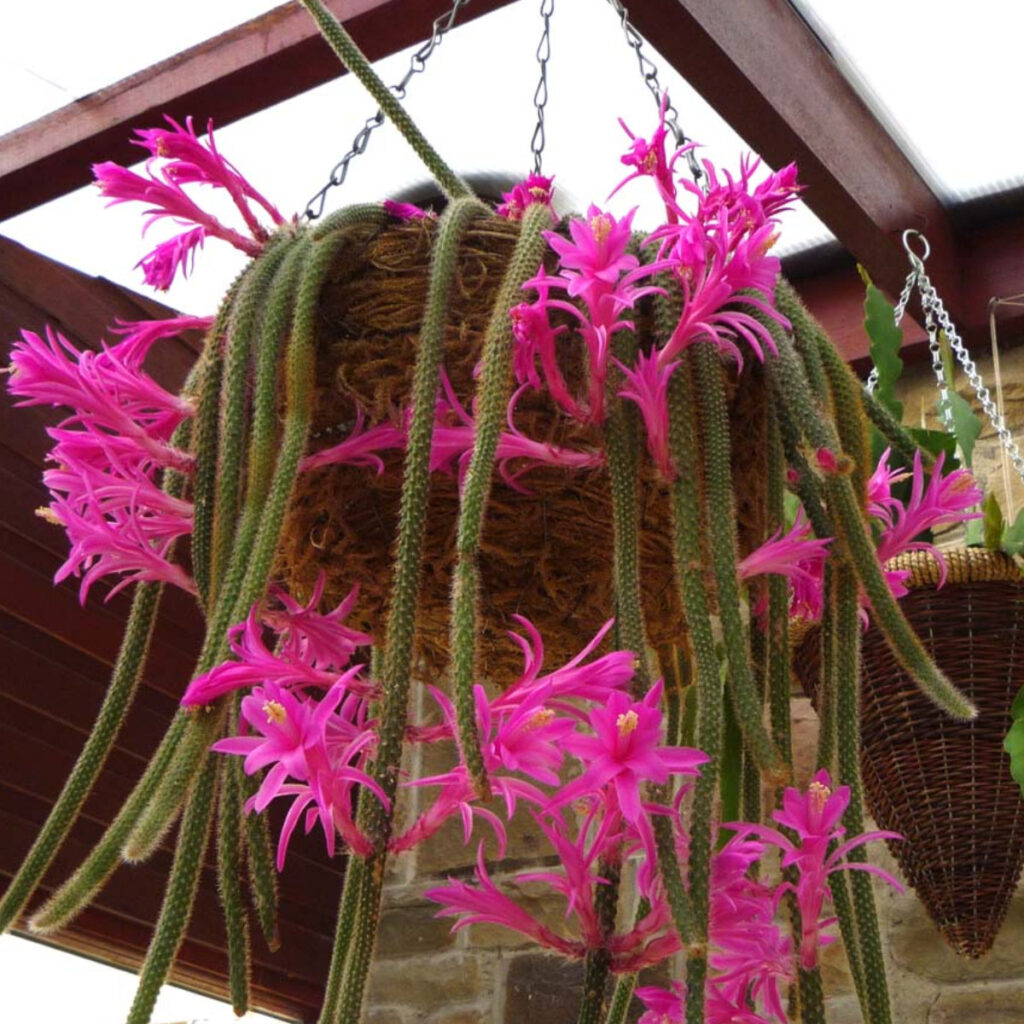
As a succulent plant native to Central America and Mexico, the Aporocactus has gained popularity among plant enthusiasts for its unique appearance and low-maintenance care. In this article, we’ll delve into the characteristics of this fascinating plant, provide tips on how to care for it, and explore some interesting facts about this captivating species.
What is Aporocactus?
Aporocactus, also known as “mouse tail” or “fox tail,” is a type of cactus that belongs to the Cactaceae family. Its stems are characterized by small, thin spines and a unique appearance that resembles a mouse’s tail or a fox’s bushy tail.
Characteristics of Aporocactus
Aporocactus is a low-maintenance plant that thrives in temperate climates with moderate temperatures (5-15°C) and high humidity. It has several distinctive features, including:
- Small, thin spines that provide protection from predators
- Pendulous stems that grow up to 30 cm long
- White flowers with red or yellow centers that bloom between May and July
- Small, round fruits that turn purple as they mature
History of Aporocactus
Aporocactus was first described by the Swedish botanist Carl Linnaeus in 1753. It is native to Mexico and Central America, where it can be found growing in dry forests and grasslands. Over time, Aporocactus has been introduced to other parts of the world, including Europe and North America.
Cultivation of Aporocactus
Aporocactus is relatively easy to cultivate, making it an excellent choice for beginners. Here are some tips for growing Aporocactus indoors:
- Choose a well-draining potting mix specifically designed for cacti and succulents.
- Place the plant in a bright, indirectly lit area with moderate temperatures (5-15°C).
- Water sparingly from April to September, and completely suspend watering during the winter months.
- Fertilize during the growing season (April to September) with a balanced fertilizer.
Propagation of Aporocactus
Aporocactus can be propagated through stem cuttings. Here’s a step-by-step guide:
- Remove a healthy section of the stem, making sure it has at least two nodes.
- Remove any spines or leaves from the cutting to prevent them from interfering with root growth.
- Dip the cut end in rooting hormone powder to stimulate root development.
- Plant the cutting in a well-draining potting mix and water sparingly until roots develop.
Common Problems and Solutions
- Pests: Check for pests like mealybugs, spider mites, or scale by gently inspecting the plant with a magnifying glass. If you find any pests, treat them immediately with insecticidal soap or neem oil.
- Root rot: Avoid overwatering, and make sure the pot has good drainage holes to prevent waterlogged soil.
Interesting Facts About Aporocactus
- Aporocactus was one of the first cacti species introduced to Europe in the 19th century.
- It’s a symbol of resilience and tenacity in the language of flowers.
- Aporocactus is relatively low-maintenance compared to other cacti species, making it an excellent choice for beginners.
Varieties of Aporocactus
There are several varieties of Aporocactus that can be grown indoors. Here are a few popular ones:
- Aporocactus flagelliformis: This variety has pendulous stems with white flowers and red or yellow centers.
- Aporocactus grandiflorus: This variety has large, showy flowers in shades of pink, purple, and white.
- Aporocactus obesus: This variety has small, round fruits that turn purple as they mature.
Conclusion
Aporocactus is a unique and fascinating plant that can add a touch of elegance to any indoor space. By following these care tips and understanding its characteristics, you’ll be well on your way to becoming an expert Aporocactus enthusiast. With its low-maintenance care and striking appearance, it’s no wonder why this cactus has gained popularity among plant enthusiasts.


