
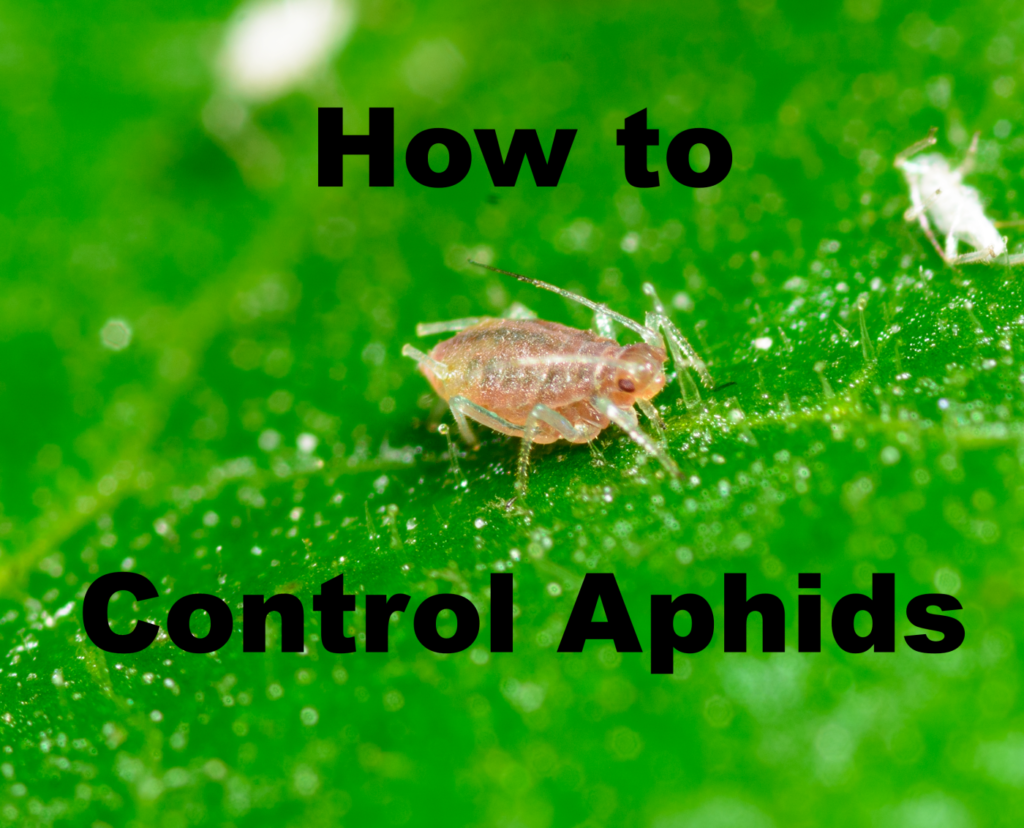
Aphids, those pesky plant parasites, can cause significant damage to your garden. But fear not! In this article, we will explore the most effective ways to eliminate aphids using natural and organic methods.
Understanding Aphids and Their Damage
Aphids are small, soft-bodied insects that feed on plant sap, causing a range of problems for gardeners. They can transmit diseases, stunt plant growth, and even kill off entire crops if left unchecked. It’s essential to address the issue early on to prevent these problems from escalating.
Lotta Biologica: The Natural Way
One approach to controlling aphids is through biological control methods. This involves introducing natural predators or parasites that feed on aphids, thereby reducing their numbers and minimizing damage to plants.
Attracting Beneficial Insects
Some beneficial insects can be attracted to your garden using specific plants. For example:
- Coccinellidae: Ladybugs are known to feed on aphids, and some species of coccinellid beetles are particularly effective at controlling these pests.
- Lacewings: These delicate-looking insects are voracious predators of aphids and other garden pests.
- Parasitic Wasps: Some parasitic wasp species target specific types of aphids, providing a valuable natural control method.
Plants That Attract Beneficial Insects
Certain plants can serve as attractants for beneficial insects:
- Rumex: This plant is often one of the first to be infested by aphids, making it an excellent choice for attracting ladybugs and lacewings.
- Salvia: Some species of salvia are known to repel or deter aphids, while others attract beneficial insects that target these pests.
Other Natural Control Methods
In addition to introducing beneficial insects, there are other natural control methods you can employ:
- Spray Pests: Some plants, like marigolds and nasturtiums, release chemicals that repel aphids.
- Predatory Nematodes: These microscopic worms feed on aphid eggs and larvae, providing a biological control method.
Chemical-Free Control
While some chemical-based insecticides may be effective at controlling aphids, they can also harm beneficial insects and contaminate soil and water. A more sustainable approach is to adopt a chemical-free control strategy that prioritizes natural methods.
Insecticidal Soap and Neem Oil
These two natural substances are often used to control aphid populations:
- Insecticidal Soap: This mild, non-toxic substance can be used to control aphids by breaking down their exoskeletons.
- Neem Oil: Derived from the seeds of the neem tree, this oil has insecticidal properties that make it effective against aphids and other pests.
Bacillus Thuringiensis (Bt)
This naturally occurring bacterium produces a toxin that kills certain types of insects. It’s often used as a biological pesticide to control aphid populations.
Organic Insecticides
For more severe infestations, organic insecticides like pyrethrin-based products may be necessary:
- Pyrethrins: Derived from the flowers of chrysanthemums, these natural insecticides can be used to control aphids and other pests.
- Pirimicarb: This synthetic pesticide is often used as an organic alternative for controlling aphid populations.
Prevention
To prevent aphid infestations in the future:
- Monitor Your Garden Regularly: Keep a close eye on your plants to catch any signs of aphids before they become a problem.
- Use Physical Barriers: Row covers, fine-mesh screens, and other physical barriers can help prevent aphids from reaching your plants.
Fighting Aphid Infestations
When dealing with an aphid infestation, it’s essential to take action quickly:
- Identify the Source of the Problem: Determine where the aphids are coming from, whether it’s a specific plant or a contaminated area.
- Use a Combination of Methods: Combine natural control methods like introducing beneficial insects and using insecticidal soap with organic insecticides for more severe infestations.
Tips for Effective Pest Control
To ensure effective pest control:
- Monitor Your Garden Frequently: Regular monitoring will help you catch any signs of aphids or other pests before they become a problem.
- Keep Records: Keep records of your garden’s performance, including notes on pest infestations and the methods used to control them.
Common Aphid Species
Some common species of aphids include:
- Green Peach Aphid: This aphid is known for its ability to transmit plant viruses.
- Apple Aphid: This aphid feeds on the sap of apple trees, causing curled or distorted leaves.
- Rose Aphid: This aphid can cause yellowing or stunted growth on rose plants.
Managing Aphids in Commercial Gardens
Commercial gardens can face significant challenges when dealing with aphid infestations:
- Regular Monitoring: Regular monitoring is essential to catch any signs of aphids before they become a problem.
- Integrated Pest Management (IPM): Implementing IPM strategies that combine natural control methods, physical barriers, and organic insecticides can help manage aphid populations.
Conclusion
Eliminating aphids requires a combination of natural control methods, including introducing beneficial insects, using specific plants to attract these predators, and employing organic insecticides when necessary. By adopting a chemical-free approach to pest management, you can create a healthier, more sustainable garden ecosystem.
Frequently Asked Questions
- What are the most effective ways to control aphids naturally?: Some of the most effective natural methods include introducing beneficial insects like ladybugs and lacewings, using plants that attract these predators, and employing organic insecticides like pyrethrin-based products.
- Can I use chemical pesticides on my garden?: It’s generally recommended to avoid using chemical pesticides, as they can harm beneficial insects and contaminate soil and water. Instead, opt for natural control methods like insecticidal soap and neem oil.
- How often should I monitor my garden for aphids?: Regular monitoring is essential to catching any signs of aphids before they become a problem.


