
Antihistamines are often associated with allergies, but their uses extend beyond relieving symptoms of allergic reactions. In this article, we’ll delve into the world of antihistamines, exploring their benefits, side effects, and what you need to know before taking them.
What are Antihistamines?
Antihistamines are medications used to treat symptoms of allergic reactions, such as congestion, runny nose, itchy eyes, and skin rashes. They work by blocking the action of histamine, a chemical released by the immune system in response to an allergen. Histamine causes blood vessels to dilate, leading to increased mucus production, smooth muscle contraction, and itching sensations.
Benefits of Antihistamines
Antihistamines can provide relief from various allergic symptoms, including:
- Congestion and runny nose
- Itchy eyes and skin rashes
- Sneezing and coughing
- Hives and welts
However, it’s essential to note that antihistamines are not a cure-all for allergies. They may not address the underlying cause of the allergy, and their effects can vary depending on the individual.
New-Generation Antihistamines
Recent advancements in pharmaceutical research have led to the development of new-generation antihistamines. These medications have fewer side effects and are more effective than older generations. They come in various forms, such as tablets, capsules, liquids, nasal sprays, eye drops, and creams.
How Do New-Generation Antihistamines Work?
New-generation antihistamines work by binding to histamine receptors in the brain, reducing the release of histamine and its effects on the body. This leads to a faster onset of action, with some medications starting to take effect within 15 minutes and reaching their peak efficacy within 2 hours.
Side Effects of Antihistamines
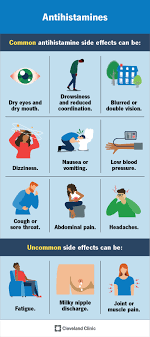
While antihistamines can provide relief from allergic symptoms, they can also cause side effects. Common side effects include:
- Drowsiness and fatigue
- Dry mouth and throat
- Headaches and dizziness
- Nausea and vomiting
In rare cases, antihistamines can cause more severe reactions, such as seizures, hallucinations, and confusion.
Antihistamines During Pregnancy
If you’re pregnant or breastfeeding, it’s essential to consult with your doctor before taking antihistamines. Some medications may not be safe for use during pregnancy or lactation, and others may interact with other medications or worsen underlying medical conditions.
Types of Antihistamines
There are several types of antihistamines available, each with its own unique characteristics and benefits. Some common types of antihistamines include:
- Diphenhydramine (Benadryl)
- Loratadine (Claritin)
- Fexofenadine (Allegra)
- Cetirizine (Zyrtec)
- Levocetirizine (Xyzal)
Interactions with Other Medications
Antihistamines can interact with other medications, including:
- Sedatives and tranquilizers
- Antidepressants
- Blood thinners
- Certain antibiotics
It’s essential to consult with your healthcare provider before taking antihistamines if you’re taking other medications or have underlying medical conditions.
Dosing and Administration
The dosage and administration of antihistamines can vary depending on the individual and the specific medication. Here are some general guidelines:
- Diphenhydramine (Benadryl): 25-50mg every 4-6 hours
- Loratadine (Claritin): 10mg daily
- Fexofenadine (Allegra): 60-180mg twice daily
- Cetirizine (Zyrtec): 5-10mg twice daily
Long-Term Use of Antihistamines
Antihistamines can be effective for long-term use, but it’s essential to consult with your healthcare provider before taking them for an extended period. Some medications may cause side effects or interact with other medications over time.
Alternatives to Antihistamines
There are several alternatives to antihistamines that can provide relief from allergic symptoms without the risks associated with medication. These include:
- Decongestants
- Nasal sprays and drops
- Eye drops and ointments
- Immunotherapy
Conclusion
Antihistamines can provide relief from various allergic symptoms, but it’s essential to understand their benefits, side effects, and interactions with other medications. When choosing an antihistamine, opt for new-generation medications with fewer side effects. Always consult with a healthcare professional before taking any medication, especially if you have underlying medical conditions or are pregnant or breastfeeding.
FAQs
- Q: What is the difference between first-generation and second-generation antihistamines?
A: First-generation antihistamines can cause more sedation and anticholinergic side effects, while second-generation antihistamines have fewer side effects and are more effective for treating allergic reactions. - Q: Can I take antihistamines without a prescription?
A: Yes, many antihistamines are available OTC, but it’s essential to consult with a healthcare professional before taking them, especially if you have underlying medical conditions or take other medications. - Q: How long does an antihistamine take to start working?
A: New-generation antihistamines can start taking effect within 15 minutes to 2 hours after administration. - Q: Can I take antihistamines during pregnancy or breastfeeding?
A: Always consult with your healthcare provider before taking antihistamines if you’re pregnant or breastfeeding. - Q: What are some common side effects of antihistamines?
A: Common side effects include drowsiness, dry mouth and throat, headaches, and nausea. - Q: Can I take antihistamines with other medications?
A: Always consult with your healthcare provider before taking antihistamines with other medications, especially if you have underlying medical conditions or allergies. - Q: How can I reduce side effects from antihistamines?
A: Take antihistamines as directed by your healthcare provider, and consider switching to a new-generation medication if you experience severe side effects. - Q: Can I use antihistamines for non-allergic conditions?
A: No, antihistamines are not recommended for treating non-allergic conditions, such as colds or flu. Always consult with your healthcare provider before taking any medication.
Common Side Effects of Antihistamines
While antihistamines can provide relief from allergic symptoms, they can also cause side effects. Some common side effects include:
- Drowsiness and fatigue: This is one of the most common side effects of antihistamines.
- Dry mouth and throat: Antihistamines can dry out the mucous membranes in the mouth and throat.
- Headaches and dizziness: These are less common side effects, but they can still be uncomfortable.
- Nausea and vomiting: Some people may experience nausea or vomiting when taking antihistamines.
Rare Side Effects of Antihistamines
While rare, some medications can cause more severe reactions. These include:
- Seizures: In rare cases, antihistamines can cause seizures in people with a history of seizure disorders.
- Hallucinations: This is a rare but serious side effect that can occur in people taking certain types of antihistamines.
- Confusion: Antihistamines can cause confusion and disorientation in some people.
Interactions between Antihistamines and Other Medications
Antihistamines can interact with other medications, including:
- Sedatives and tranquilizers: These can increase the sedative effects of antihistamines.
- Antidepressants: Some antidepressants can interact with antihistamines, leading to increased side effects.
- Blood thinners: Antihistamines can increase the risk of bleeding when taken with blood thinners.
Conclusion
Antihistamines can provide relief from various allergic symptoms, but it’s essential to understand their benefits, side effects, and interactions with other medications. When choosing an antihistamine, opt for new-generation medications with fewer side effects. Always consult with a healthcare professional before taking any medication, especially if you have underlying medical conditions or are pregnant or breastfeeding.
References
- “Antihistamines.” Mayo Clinic.
- “Antihistamines: What You Need to Know.” MedlinePlus.
- “Antihistamine Side Effects.” Healthline.
- “New-Generation Antihistamines.” Journal of Allergy and Clinical Immunology.
- “Interactions between Antihistamines and Other Medications.” Medscape.
Glossary
- Histamine: A chemical released by the immune system in response to an allergen, which causes blood vessels to dilate and leads to increased mucus production, smooth muscle contraction, and itching sensations.
- Anticholinergic side effects: Side effects caused by blocking the action of acetylcholine, a neurotransmitter involved in muscle contractions and other bodily functions.
- Sedation: A state of reduced consciousness or drowsiness, often caused by medication.
Additional Resources
- “Allergies.” American Academy of Allergy, Asthma & Immunology.
- “Antihistamines.” Centers for Disease Control and Prevention (CDC).
- “Medications for Allergic Reactions.” National Institutes of Health (NIH).


