
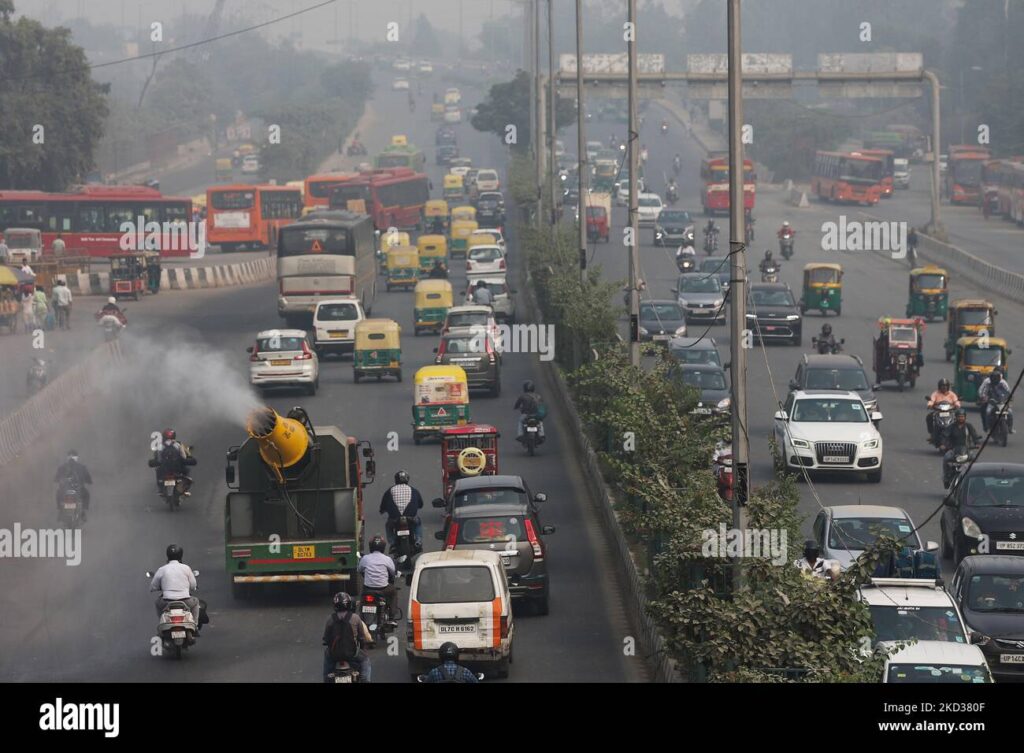
Italy, particularly cities like Milan, Naples, Bologna, and Mantova, have struggled with severe air pollution due to PM10 (particulate matter) levels exceeding EU limits. The World Health Organization estimates that approximately 80,000 premature deaths occur annually in Italy alone due to air pollution.
2. What is PM10?
PM10 refers to all fine particles of diameter equal to or less than 10 micrometers, which are so small they can penetrate the human body and cause serious health issues. To learn more about PM10, please refer to our previous article on what is PM10.
3. Italy’s Efforts to Combat Smog: The “Sunday Walk” Traffic Blocker
In response to air pollution concerns, Italian authorities have implemented a traffic blocker scheme dubbed “Domenica a piedi,” which aims to reduce emissions and improve public health. This initiative has been adopted by various cities across the country.
4. Who Can Circulate During the Traffic Blocker?
Each municipality sets its own rules, but generally, drivers with zero-emission vehicles (such as electric or hybrid cars) are exempt from restrictions. However, specific regulations vary between cities and regions.
5. How Does the “Sunday Walk” Traffic Blocker Work?
The scheme restricts the movement of older polluting vehicles, primarily those without particulate filters. On Sundays and other designated days, only zero-emission or low-emission vehicles are allowed to circulate in urban areas.
For example:
- In Milan, diesel Euro 0 cars are banned from the city center.
- In Naples, diesel Euro 1-3 vehicles without a particulate filter are restricted.
- Bologna prohibits diesel Euro 1-5 vehicles from entering certain areas.
6. Are the Traffic Blocker Measures Effective?
While the initiative has raised awareness about air pollution and encouraged the adoption of cleaner vehicles, critics argue that there is still room for improvement. A unified national law would help standardize regulations across Italy’s regions.
7. What Can You Do to Help Combat Smog?
Individuals can contribute by:
- Using public transportation or electric vehicles
- Encouraging friends and family to adopt eco-friendly habits
- Supporting local initiatives promoting sustainable living
8. Consequences of Non-Compliance: The Cost of Breaking the Rules
Drivers caught circulating during restricted periods face fines of €164, with repeat offenders facing additional penalties, including license suspension.
9. Combating Smog Beyond Traffic Blockers: A Broader Approach
To make a meaningful impact on air pollution, authorities should consider measures like phasing out outdated diesel engines and incentivizing the adoption of electric or hybrid vehicles.
By working together, we can create a cleaner, healthier environment for future generations to thrive in.
10. How Can Urban Planning Help Reduce Smog?
Cities can incorporate urban planning strategies that minimize emissions and promote sustainable transportation:
- Encouraging walkability and bike-friendliness
- Implementing smart traffic management systems
- Developing green spaces for air quality improvement
By adopting a multi-faceted approach to address smog, Italy can become a model for other countries in reducing air pollution and promoting environmental sustainability.
11. What Role Can Technology Play in Reducing Smog?
Advancements in clean energy and emission-reducing technologies hold great promise in combating smog:
- Electric vehicles and charging infrastructure expansion
- Green roofs and walls to reduce urban heat island effect
- Smart grids for efficient energy distribution
Embracing technological innovations can significantly contribute to reducing emissions and improving air quality.
12. How Can Citizens Advocate for Smog Reduction?
Citizens can engage in advocacy efforts by:
- Contacting local authorities to express concerns about smog
- Participating in community initiatives promoting sustainable living
- Spreading awareness about the importance of clean air
By working together, citizens can make a positive impact on reducing smog and creating healthier environments.
13. How Can Governments Encourage Smog Reduction?
Governments can implement policies that promote clean energy and reduce emissions:
- Incentivizing the adoption of electric vehicles
- Implementing emission-reducing technologies in industries
- Providing education and training programs for sustainable living
By implementing effective policies, governments can create an environment conducive to reducing smog and promoting environmental sustainability.
14. What Are the Benefits of Reducing Smog?
Reducing smog has numerous benefits, including:
- Improved public health and quality of life
- Enhanced economic growth through reduced healthcare costs
- Increased tourism and economic opportunities in cleaner cities
By working together to reduce smog, we can create a healthier, more sustainable future for all.
15. How Can Communities Work Together to Combat Smog?
Communities can collaborate by:
- Organizing local events promoting clean air awareness
- Supporting initiatives promoting sustainable living and transportation
- Encouraging residents to adopt eco-friendly habits
By working together, communities can create a cleaner, healthier environment for future generations.
Frequently Asked Questions (FAQs)
- Q: How often do traffic blockers occur?
A: Traffic blockers are usually scheduled on Sundays and other designated days, depending on local regulations. - Q: What vehicles are exempt from restrictions?
A: Cars with zero or low emissions, such as electric or hybrid vehicles, are generally allowed to circulate during blocked periods. - Q: Can I use a different vehicle to circumvent the blockage?
A: No, drivers caught using unauthorized vehicles will face fines and penalties. - Q: Are there any regional variations in traffic blocker rules?
A: Yes, regulations differ between cities and regions across Italy. - Q: Can I report a neighbor for violating traffic blockade regulations?
A: Yes, local authorities can be contacted to report suspected non-compliance.


