
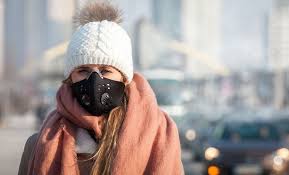
When it comes to protecting yourself from air pollution, one of the most effective tools is an anti-smog mask. These masks are not just for fashion; they can be a lifesaver for people who spend extended periods outdoors in heavily trafficked areas.
Why Do We Need Anti-Smog Masks?
Exercise is great for our health, but it’s only beneficial when done outside, surrounded by nature. For cyclists, runners, and pedestrians who navigate through busy city streets, the risks associated with air pollution can be significant. When we breathe in polluted air, we inhale not just oxygen but also pollutants like particulate matter, smog, and other harmful substances.
The Benefits of Anti-Smog Masks
Anti-smog masks are designed to filter out these pollutants, ensuring that we breathe clean air. But which types of masks are best for us? Let’s explore the options available:
What to Look for in an Anti-Smog Mask
When shopping for an anti-smog mask, look for one with a certification from the European Standard EN 149. This standard ensures that the mask has an efficiency rating, ranging from FFP1 (78% filtration) to FFP3 (95-99% filtration). However, be cautious of counterfeit masks made in China; they may not meet these standards.
Types of Anti-Smog Masks
There are three main types of anti-smog masks:
- FFP1: Suitable for general public use
- FFP2: Recommended for people who spend more time outdoors, such as cyclists and runners
- FFP3: Designed for high-risk occupations or situations
The Connection Between Air Pollution and Cancer
Research has shown a strong link between air pollution and cancer. The International Agency for Research on Cancer (IARC) and the World Health Organization (WHO) have documented this association, highlighting the need for effective measures to reduce exposure.
In 2013, the United Nations released a statement acknowledging the risks of air pollution-related cancer. This recognition underscores the importance of using anti-smog masks as part of a comprehensive strategy to mitigate the impact of air pollution on our health.
The Science Behind Anti-Smog Masks
Anti-smog masks work by filtering out pollutants in the air, which are then trapped inside the mask. The filter material used in these masks is typically made from activated carbon or other materials that can capture small particles and gases.
When we breathe in polluted air, our lungs try to filter out these particles on their own. However, this process can be inefficient, leading to damage to lung tissue and increased risk of respiratory problems.
Anti-smog masks can help reduce the amount of pollutants we inhale, which can lead to a range of health benefits. These include:
- Reduced inflammation in the lungs
- Improved cardiovascular health
- Lower risk of respiratory problems
Conclusion
Anti-smog masks are not just a fashion statement; they can be a vital tool in protecting ourselves from air pollution. By choosing the right mask for our needs and wearing it correctly, we can significantly reduce our exposure to pollutants and minimize the risks associated with air pollution-related cancer.
In addition to using anti-smog masks, there are many other ways to protect ourselves from air pollution. These include:
- Staying indoors during peak pollution hours
- Avoiding heavily trafficked areas
- Using air purifiers in our homes
- Supporting policies that reduce air pollution
Frequently Asked Questions
- What is the difference between FFP1, FFP2, and FFP3 masks?
- FFP1 masks offer basic protection (78% filtration)
- FFP2 masks provide moderate protection (92% filtration)
- FFP3 masks offer high-level protection (95-99% filtration)
- How often should I replace my anti-smog mask?
- Replace every 1-2 months or when the filter becomes worn
- Can I use a regular face mask as an alternative to an anti-smog mask?
- No, regular face masks do not offer sufficient filtration for effective protection against air pollution
- Are all anti-smog masks created equal?
- No, some masks may be counterfeit or of lower quality; look for certifications and reviews from trusted sources to ensure you’re getting a reliable product
- Can I wear an anti-smog mask when I’m not outdoors?
- No, anti-smog masks are designed specifically for outdoor use; they can trap moisture inside the mask, leading to discomfort and reduced effectiveness
- Are there any specific situations where I should not wear an anti-smog mask?
- Yes, avoid wearing an anti-smog mask when operating heavy machinery, driving a car, or engaging in high-intensity activities that may cause you to breathe heavily; these masks can restrict airflow and increase the risk of respiratory problems
- Can I use an anti-smog mask with a respirator?
- No, using an anti-smog mask with a respirator can lead to reduced effectiveness and increased pressure on the mask’s seals
- Are there any specific industries or occupations that require specialized anti-smog masks?
- Yes, workers in construction, mining, and other high-risk industries often need specialized masks designed for their specific needs


