
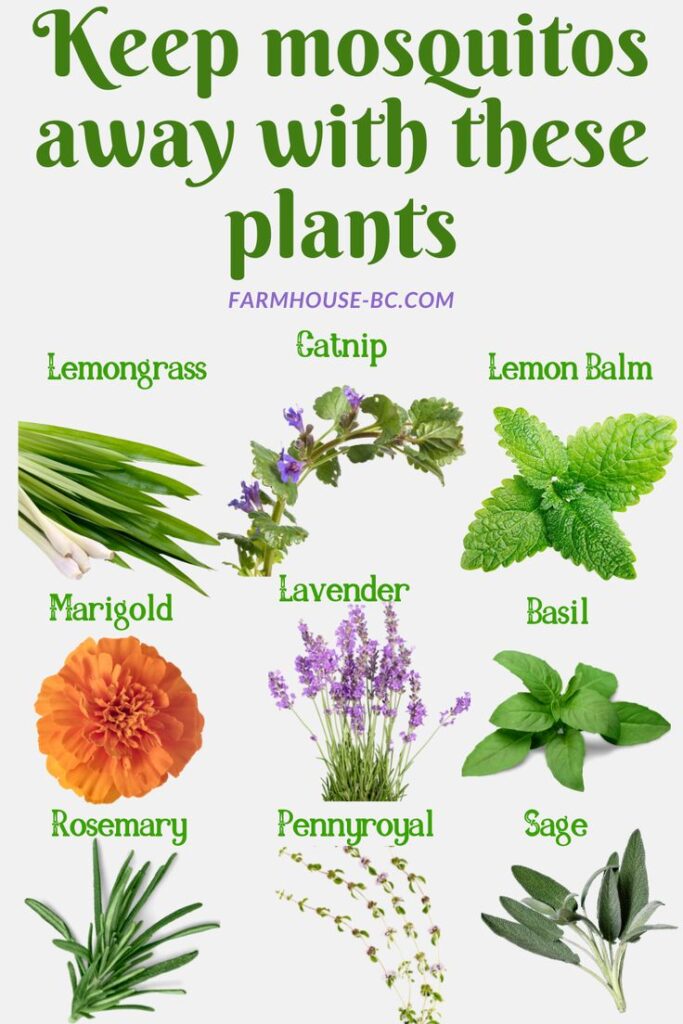
So, why do plants have this effect on mosquitoes? It’s all about the way they interact with our senses. Plants release volatile organic compounds (VOCs) into the air, which can bind to mosquito olfactory receptors and disrupt their ability to detect carbon dioxide and other chemical cues.
These VOCs are often found in plant leaves, flowers, roots, and seeds, and can be triggered by various environmental factors like temperature, humidity, and light. For example, when a geranium leaf is bruised or damaged, it releases a strong scent that repels mosquitoes.
Understanding the Olfactory System of Mosquitoes
Mosquitoes use their sense of smell to locate hosts, detect predators, and navigate through their environment. They have specialized olfactory receptors on their antennae that can detect different chemical cues, including those emitted by plants.
When a mosquito detects these VOCs, it can trigger a behavioral response, such as avoiding the area or changing its flight pattern. By understanding how mosquitoes interact with plant-based repellents, we can develop more effective strategies for repelling them without using chemicals.
The Role of Plant-Based Repellents in Ecosystems
Plant-based repellents not only provide protection against mosquitoes but also play a crucial role in maintaining ecosystem balance. Many plants that repel mosquitoes are also beneficial to other insects and animals, such as bees and butterflies, which rely on these plants for food and shelter.
In fact, some plant-based repellents can even attract beneficial insects like ladybugs and lacewings, which prey on mosquitoes and other pests. By incorporating these plants into our gardens and landscapes, we can create a more diverse and resilient ecosystem that benefits both humans and the environment.
Common Mosquito-Repelling Plants: A Guide
Here are some of the most effective plant-based repellents for keeping mosquitoes at bay:
- Citronella Grass (Cymbopogon nardus): This tropical grass is known for its strong, citrusy scent that repels mosquitoes and other insects.
- Lemongrass (Cymbopogon citratus): With its bright yellow flowers and citrusy aroma, lemongrass is a popular choice for mosquito repellent plants.
- Basil (Ocimum basilicum): This fragrant herb is not only delicious in cooking but also effective at repelling mosquitoes with its strong, pungent scent.
- Catnip (Nepeta cataria): While catnip is famous for attracting cats, it’s also a natural mosquito repellent that can be used to keep these pests away.
Tips for Using Plant-Based Repellents
Here are some tips for using plant-based repellents effectively:
- Choose the right plants: Select plants that are native to your region and suitable for indoor or outdoor use.
- Plant them in the right spot: Place plants near entry points, such as doorways or windows, to maximize their effectiveness.
- Use essential oils: Mix essential oils from these plants with water and apply it to your skin or clothing for a natural mosquito repellent.
- Keep them clean: Regularly clean and maintain your plant-based repellents to ensure they continue to repel mosquitoes effectively.
Conclusion
Plant-based repellents offer a natural, effective, and environmentally friendly solution for keeping mosquitoes at bay. By understanding the science behind these plants and using them in our gardens and homes, we can reduce our reliance on harsh chemicals and promote a healthier environment. Whether you’re looking for a DIY repellent or want to add some fragrance to your garden, there’s no denying the benefits of plant-based mosquito repellents.
Frequently Asked Questions
- Q: Are these plants safe for humans?
A: Most of these plants are non-toxic and safe for human use. However, it’s always a good idea to do patch tests before using any new essential oil or plant extract. - Q: Can I grow these plants in my home?
A: Yes! Many of these plants can be grown indoors with the right care and conditions. - Q: How effective are these plants at repelling mosquitoes?
A: While they may not be as potent as chemical-based repellents, plant-based solutions can still provide significant protection against mosquitoes. - Q: Can I use essential oils from these plants to make a repellent?
A: Yes! Mixing essential oils with water and applying it to your skin or clothing can create a natural mosquito repellent.


