
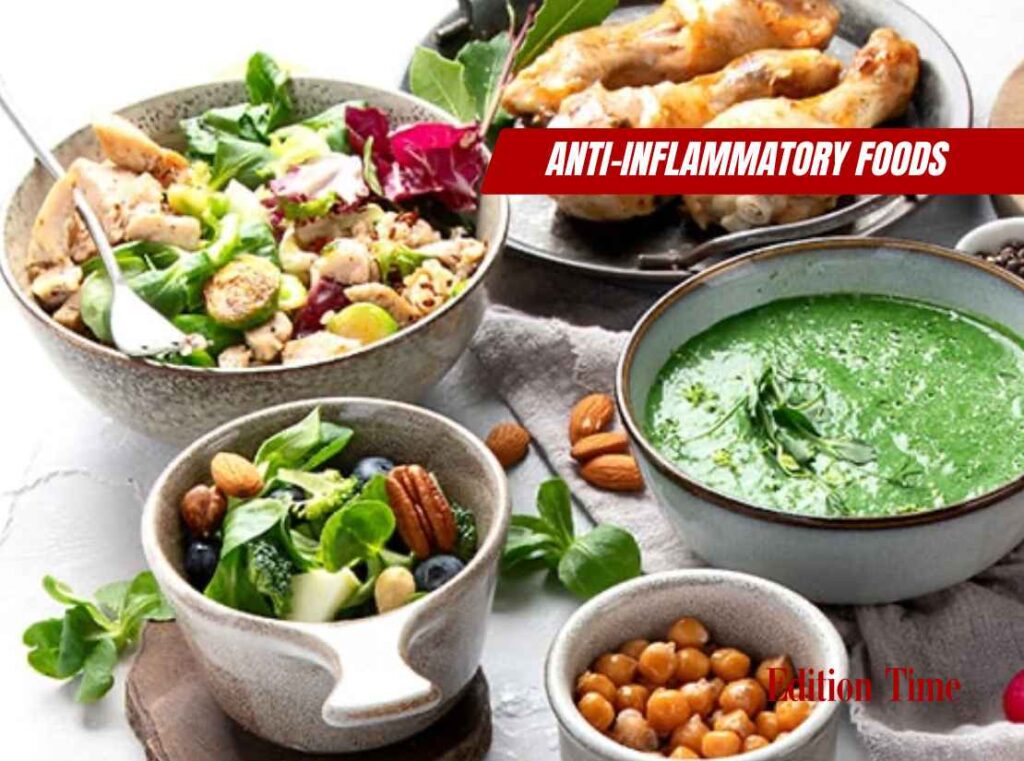
Discover powerful anti-inflammatory foods that reduce chronic inflammation. Learn which nutrients fight inflammation and create meal plans for better health and vitality.
Three years ago, I was dealing with chronic joint pain, persistent fatigue, and skin issues that seemed to have no clear cause. After months of medical tests yielding no definitive answers, my doctor suggested that chronic inflammation might be the underlying culprit. She recommended exploring an anti-inflammatory diet as a complementary approach to managing my symptoms.
Initially skeptical that food could have such a profound impact on how I felt, I reluctantly began researching inflammatory and anti-inflammatory foods. What I discovered was that the connection between diet and inflammation is not only real but incredibly powerful.
After implementing anti-inflammatory eating principles for just six weeks, I experienced changes I hadn’t thought possible: my joint pain decreased significantly, my energy levels stabilized, and my skin cleared up dramatically. The transformation wasn’t just physical—I gained a deep understanding of how food can be medicine when chosen thoughtfully.
If you’ve been struggling with unexplained aches, fatigue, digestive issues, or other symptoms that might be related to chronic inflammation, understanding which foods fight inflammation could be the key to feeling dramatically better.
Understanding Inflammation and Its Role in Health
Inflammation is your body’s natural defense mechanism against injury, infection, and harmful substances. Acute inflammation is beneficial and necessary for healing, but chronic inflammation can contribute to numerous health problems.
Dr. Frank Hu, a nutrition researcher at Harvard’s T.H. Chan School of Public Health, explains that “chronic low-grade inflammation is now recognized as a major factor in most chronic diseases, including heart disease, diabetes, arthritis, and even depression. Diet plays a crucial role in either promoting or reducing this inflammatory state.”
The Difference Between Acute and Chronic Inflammation
Acute inflammation occurs when you injure yourself or fight an infection. This type of inflammation is beneficial and resolves quickly once the threat is eliminated.
Chronic inflammation is a persistent, low-grade inflammatory state that can last months or years. This type of inflammation damages healthy tissues and contributes to disease development.
Chronic inflammation often has no obvious symptoms initially but may manifest as fatigue, joint pain, digestive issues, frequent infections, or mood changes.
I realized that many symptoms I’d attributed to aging or stress were actually signs of chronic inflammation that improved dramatically with dietary changes.
How Diet Influences Inflammation
Certain foods trigger inflammatory responses by activating immune pathways that produce inflammatory molecules like cytokines and prostaglandins.
Other foods contain compounds that actively reduce inflammation and support the body’s natural anti-inflammatory mechanisms.
The overall pattern of your diet matters more than individual foods—consistently eating anti-inflammatory foods while avoiding pro-inflammatory ones creates cumulative benefits.
Food timing and preparation methods also influence inflammatory potential, with some cooking methods increasing inflammatory compounds.
Powerful Anti-Inflammatory Foods
These foods contain specific compounds that have been scientifically shown to reduce inflammatory markers and support overall health.
Fatty Fish: Omega-3 Powerhouses
Salmon, mackerel, sardines, and anchovies provide EPA and DHA, omega-3 fatty acids that are among the most potent anti-inflammatory nutrients.
Research shows that regular consumption of fatty fish can reduce inflammatory markers by 20-30% within weeks of increasing intake.
Aim for 2-3 servings per week of wild-caught fatty fish for optimal anti-inflammatory benefits.
I noticed that weeks when I ate salmon twice coincided with significantly less joint stiffness and better overall energy levels.
Leafy Greens: Antioxidant Champions
Spinach, kale, arugula, and Swiss chard contain high levels of vitamins C and E, carotenoids, and flavonoids that combat oxidative stress and inflammation.
These vegetables also provide magnesium, a mineral that helps regulate inflammatory responses and is deficient in many people’s diets.
Dark leafy greens contain compounds that support the body’s natural detoxification processes, reducing the inflammatory burden from environmental toxins.
I started adding a large handful of spinach to my morning smoothie and noticed improvements in both energy and skin clarity within two weeks.
Berries: Nature’s Anti-Inflammatory Medicine
Blueberries, strawberries, blackberries, and cherries contain anthocyanins, powerful antioxidants that give berries their vibrant colors and anti-inflammatory properties.
Studies show that regular berry consumption can reduce inflammatory markers and may help prevent chronic diseases associated with inflammation.
Tart cherries specifically have been shown to reduce muscle inflammation and may help with exercise recovery and sleep quality.
Frozen berries retain their anti-inflammatory compounds and are more affordable and convenient than fresh berries year-round.
Nuts and Seeds: Healthy Fat Sources
Walnuts, almonds, flaxseeds, and chia seeds provide healthy fats, fiber, and protein while delivering anti-inflammatory compounds.
Walnuts are particularly rich in alpha-linolenic acid (ALA), a plant-based omega-3 fatty acid that converts to EPA and DHA in the body.
A small handful daily (about 1 ounce) provides optimal anti-inflammatory benefits without excessive calories.
I replaced my afternoon snack with mixed nuts and seeds and found it helped stabilize my energy while reducing cravings for inflammatory processed foods.
Olive Oil: Mediterranean Miracle
Extra virgin olive oil contains oleocanthal, a compound with anti-inflammatory effects similar to ibuprofen but without the side effects.
The Mediterranean diet’s health benefits are largely attributed to high olive oil consumption and its anti-inflammatory properties.
Use olive oil for low-heat cooking and salad dressings to preserve its beneficial compounds, which can be damaged by high temperatures.
Cold-pressed, extra virgin varieties contain the highest levels of anti-inflammatory compounds.
Turmeric: The Golden Anti-Inflammatory
Curcumin, the active compound in turmeric, has been extensively studied for its powerful anti-inflammatory effects.
Research shows curcumin can be as effective as some anti-inflammatory medications for reducing inflammatory markers.
Combine turmeric with black pepper to increase absorption, or consume it with healthy fats for better bioavailability.
I started adding turmeric to smoothies and curries and noticed a significant reduction in joint pain within a month of regular use.
Foods That Promote Inflammation
Understanding which foods increase inflammation is just as important as knowing which foods fight it. Avoiding these foods can dramatically reduce your inflammatory burden.
Processed and Ultra-Processed Foods
Foods high in refined sugars, trans fats, and artificial additives trigger inflammatory responses and should be minimized or eliminated.
Ultra-processed foods often contain multiple inflammatory ingredients and lack the protective compounds found in whole foods.
Packaged snacks, fast food, and convenience meals are typically high in inflammatory ingredients and low in anti-inflammatory nutrients.
I found that eliminating processed snacks had a more immediate impact on how I felt than adding any single anti-inflammatory food.
Refined Sugars and High-Glycemic Foods
Refined sugars and foods that rapidly spike blood sugar promote inflammatory pathways and increase oxidative stress.
High-glycemic foods include white bread, white rice, pastries, and sweetened beverages.
Even natural sweeteners can be inflammatory when consumed in large quantities, though they may be less problematic than refined sugar.
Replacing refined grains with whole grains helps stabilize blood sugar and reduces inflammatory responses.
Vegetable Oils High in Omega-6
Soybean, corn, and sunflower oils are high in omega-6 fatty acids, which can be inflammatory when consumed in excess.
The modern diet typically contains too many omega-6 fats relative to omega-3 fats, creating an inflammatory imbalance.
Choose cooking oils like olive oil, avocado oil, or coconut oil instead of highly processed vegetable oils.
Reading ingredient labels helps identify hidden sources of inflammatory oils in processed foods.
Excessive Alcohol
While moderate alcohol consumption may have some anti-inflammatory effects, excessive drinking promotes inflammation throughout the body.
More than one drink per day for women or two for men can contribute to chronic inflammation and related health problems.
Red wine contains resveratrol, which has anti-inflammatory properties, but the alcohol content can offset these benefits if consumed excessively.
Creating Anti-Inflammatory Meal Patterns
Successfully implementing anti-inflammatory eating requires practical strategies for meal planning and preparation that fit into real life.
Building Anti-Inflammatory Plates
Fill half your plate with vegetables, emphasizing colorful, non-starchy varieties that provide diverse antioxidants and anti-inflammatory compounds.
Include a serving of anti-inflammatory protein such as fatty fish, legumes, or grass-fed meat at each meal.
Add healthy fats from sources like olive oil, nuts, seeds, or avocado to support absorption of fat-soluble vitamins and provide anti-inflammatory fatty acids.
Choose whole grains over refined grains to provide fiber and nutrients while avoiding blood sugar spikes that promote inflammation.
My typical anti-inflammatory plate includes a large salad with mixed greens, grilled salmon, walnuts, and olive oil dressing, plus a small portion of quinoa.
Strategic Meal Timing
Eating regular meals helps maintain stable blood sugar levels and prevents the inflammatory stress of blood sugar fluctuations.
Including anti-inflammatory foods at each meal creates consistent exposure to beneficial compounds throughout the day.
Avoiding large, heavy meals prevents the acute inflammatory response that can occur after eating excessive amounts of food at once.
Preparation Methods That Preserve Benefits
Gentle cooking methods like steaming, sautéing, and baking preserve anti-inflammatory compounds better than high-heat methods.
Raw preparations like salads and smoothies maximize antioxidant content in fruits and vegetables.
Batch cooking anti-inflammatory staples like quinoa, roasted vegetables, and homemade dressings makes daily meal assembly easier.
I spend Sunday afternoons preparing anti-inflammatory meal components that I can quickly combine into meals throughout the week.
Supplements vs. Food Sources
While anti-inflammatory supplements exist, getting these nutrients from whole foods provides additional benefits and better absorption.
When Food Sources Are Superior
Whole foods provide synergistic compounds that work together more effectively than isolated nutrients in supplements.
Food sources include fiber and other beneficial compounds that supplements typically lack.
Absorption and bioavailability are often better from food sources than synthetic supplements.
Food is safer than supplements, which can interact with medications or cause problems in high doses.
When Supplements Might Be Helpful
Omega-3 supplements can be beneficial for people who don’t eat fish regularly, though quality varies significantly between products.
Turmeric/curcumin supplements may provide higher doses than practical food consumption, but absorption can be poor without proper formulation.
Vitamin D supplements are often necessary since few foods provide adequate amounts, especially in northern climates.
I choose food sources whenever possible but use high-quality omega-3 and vitamin D supplements to fill gaps in my diet.
Measuring Anti-Inflammatory Progress
The benefits of anti-inflammatory eating often develop gradually, making it important to track both subjective symptoms and objective measures when possible.
Subjective Improvements to Monitor
Energy levels often improve within 2-4 weeks as inflammation decreases and nutrient status improves.
Joint pain and stiffness may reduce gradually over several weeks to months of consistent anti-inflammatory eating.
Digestive symptoms like bloating, irregularity, or discomfort often improve within days to weeks.
Skin appearance may improve as inflammatory skin conditions respond to dietary changes.
Sleep quality and mood can improve as inflammation decreases and nutrient status optimizes.
I kept a simple daily journal rating my energy, joint comfort, and overall well-being to track changes over time.
Objective Measures
Blood tests for inflammatory markers like C-reactive protein (CRP) can provide objective evidence of reduced inflammation.
Weight changes may occur as inflammation decreases and eating patterns improve, though this isn’t always immediate.
Blood pressure improvements may result from reduced inflammation and better overall cardiovascular health.
Cholesterol profiles often improve with anti-inflammatory eating patterns.
Long-Term Success Strategies
Anti-inflammatory eating is most effective when it becomes a sustainable lifestyle rather than a temporary intervention.
Making Gradual Changes
Start by adding anti-inflammatory foods before focusing on eliminating inflammatory ones, creating positive momentum.
Change one meal at a time rather than overhauling your entire diet simultaneously.
Focus on foods you enjoy from the anti-inflammatory list rather than forcing yourself to eat foods you dislike.
I began by adding berries to breakfast and gradually expanded anti-inflammatory choices throughout the day.
Social and Practical Considerations
Communicate your dietary goals to family and friends to build support and understanding.
Plan for social situations by eating anti-inflammatory foods before events or bringing appropriate dishes to share.
Focus on what you can eat rather than restrictions when discussing your choices with others.
Restaurant meals can accommodate anti-inflammatory eating with simple modifications like requesting olive oil instead of butter or choosing grilled fish over fried options.
Budget-Friendly Anti-Inflammatory Eating
Frozen fruits and vegetables retain their anti-inflammatory compounds while being more affordable and convenient.
Canned fish like sardines and salmon provide omega-3 fatty acids at lower cost than fresh fish.
Dried legumes are inexpensive sources of anti-inflammatory protein and fiber.
Seasonal, local produce often costs less and provides peak anti-inflammatory compound levels.
The transformation I experienced through anti-inflammatory eating taught me that food truly can be medicine when chosen thoughtfully and consumed consistently. The changes weren’t dramatic overnight, but they were profound and lasting.
Anti-inflammatory eating isn’t about perfection or eliminating all inflammatory foods forever. It’s about creating an overall pattern that supports your body’s natural healing and maintenance processes while still allowing for flexibility and enjoyment.
The most sustainable approach focuses on adding beneficial foods rather than creating long lists of restrictions. When your diet is rich in anti-inflammatory foods, occasional inflammatory choices have less impact on your overall inflammatory status.
Your body has remarkable healing capacity when given the right nutritional support. Anti-inflammatory foods provide that support while also being delicious, satisfying, and compatible with social eating and real-life constraints.


