
As we all know, a healthy diet is crucial for managing diabetes and maintaining a healthy weight. However, it’s essential to understand which foods can help regulate blood sugar levels and prevent spikes in insulin production.
When we talk about anti-glycemic foods, we’re referring to those that don’t raise blood glucose levels or minimize their impact when consumed in excess. These foods are a game-changer for anyone looking to manage diabetes, maintain weight loss, or simply eat a healthier diet.
What is Glycemia?
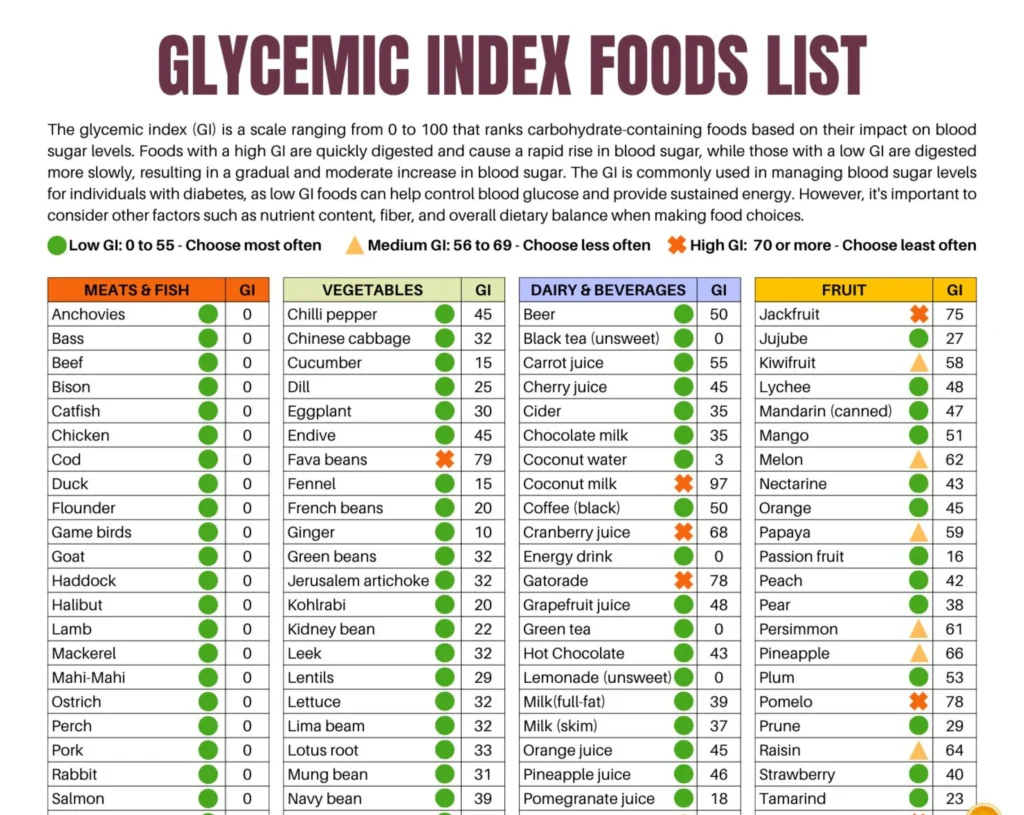
Before we dive into the best anti-glycemic foods, let’s quickly define what glycemia is. Glycemia refers to the body’s ability to regulate blood glucose levels after consuming carbohydrates. Foods with high glycemic indexes (GI) can cause rapid spikes in blood sugar, while those with lower GI values are digested more slowly and don’t raise insulin levels as much.
The Science Behind Anti-Glycemic Foods
Anti-glycemic foods work by slowing down the digestion and absorption of carbohydrates, which helps to regulate blood sugar levels. This is achieved through several mechanisms, including:
- Fiber content: Soluble fiber, found in foods like legumes, fruits, and vegetables, can slow down the digestion and absorption of carbohydrates.
- Protein content: Protein-rich foods like lean meats, fish, and eggs can help to regulate blood sugar levels by slowing down the digestion and absorption of carbohydrates.
- Healthy fats: Foods rich in healthy fats, such as nuts, seeds, and avocado, can slow down the digestion and absorption of carbohydrates.
Top Anti-Glycemic Foods
Here are three must-include foods in your diet to help regulate blood sugar levels:
- Fatty Fish: Fatty fish like salmon are rich in omega-3 fatty acids, which have been shown to improve insulin sensitivity and reduce inflammation.
- Legumes: Legumes like beans, lentils, and chickpeas are low on the GI scale and contain fiber, protein, and complex carbohydrates that slow down digestion and prevent blood sugar spikes.
- Fiber-Rich Foods: Whole grains like brown rice, quinoa, and whole wheat bread are high in fiber, which slows down digestion and helps regulate blood sugar levels.
Other Anti-Glycemic Superstars
In addition to these top picks, other anti-glycemic foods worth mentioning include:
- Yogurt: Yogurt contains probiotics that help regulate gut bacteria and improve insulin sensitivity.
- Green Tea: Green tea has been shown to improve insulin sensitivity and reduce inflammation.
- Turmeric: Turmeric’s active compound curcumin has potent anti-inflammatory properties and can help reduce insulin resistance.
- Extra-Virgin Olive Oil: This healthy fat is rich in antioxidants and has been shown to improve insulin sensitivity.
Understanding the Glycemic Index
To make informed food choices, it’s essential to understand what the glycemic index (GI) means. The GI is a measure of how quickly foods raise blood glucose levels after consumption. Foods with high GI values are digested more quickly and can cause rapid spikes in blood sugar, while those with lower GI values are digested more slowly.
Curb Your Cravings with Low-GI Snacks
If you’re looking for healthy snack options to curb your cravings, consider these low-GI foods:
- Apples: A medium-sized apple contains only 15 grams of carbohydrates and has a GI value of 38.
- Carrots: Carrots are low on the GI scale (GI = 21) and contain fiber, vitamins, and minerals.
- Almonds: Almonds have a GI value of 15 and are rich in healthy fats and protein.
Anti-Glycemic Recipes to Try
To make mealtime easier and more enjoyable, try incorporating these anti-glycemic foods into your favorite recipes:
- Salmon with Quinoa and Vegetables: Cook quinoa according to package instructions. Grill salmon and serve on top of the quinoa with roasted vegetables like broccoli and carrots.
- Lentil Soup: Saute onions, garlic, and carrots in olive oil, then add lentils, diced tomatoes, and vegetable broth. Simmer until the lentils are tender. Season with salt, pepper, and a squeeze of lemon juice.
Tips for Incorporating Anti-Glycemic Foods into Your Diet
Incorporating anti-glycemic foods into your diet can be easy and delicious. Here are some tips to get you started:
- Start small: Begin by adding small amounts of anti-glycemic foods like fruits, vegetables, and lean proteins to your meals.
- Experiment with new recipes: Try incorporating anti-glycemic foods into your favorite recipes to make mealtime more enjoyable.
- Cook at home: Cooking at home allows you to control the ingredients and portion sizes of your meals, making it easier to regulate blood sugar levels.
- Be mindful of portion sizes: Even healthy foods can cause blood sugar spikes if consumed in excess. Be mindful of portion sizes and adjust as needed.
Conclusion
Managing diabetes and maintaining a healthy weight requires careful attention to diet. By incorporating anti-glycemic foods into your daily meals, you can help regulate blood sugar levels, improve insulin sensitivity, and reduce inflammation.
Remember, it’s not just about the food itself – it’s also about portion control, cooking methods, and mindful eating habits.
FAQs
- Q: What is the glycemic index?
A: The glycemic index (GI) measures how quickly foods raise blood glucose levels after consumption. - Q: Which foods are high in glycemic indexes?
A: Foods like white bread, sugary drinks, and refined grains have high GI values that can cause rapid spikes in blood sugar. - Q: How do I reduce my glycemic index?
A: Choose whole, unprocessed foods like fruits, vegetables, lean proteins, and healthy fats to minimize your GI. - Q: Can I still eat gluten-free if I have diabetes?
A: Yes, but be sure to choose whole grains and pay attention to portion sizes to maintain blood sugar control.
By making informed food choices and incorporating anti-glycemic foods into your diet, you can take control of your health and well-being.


