
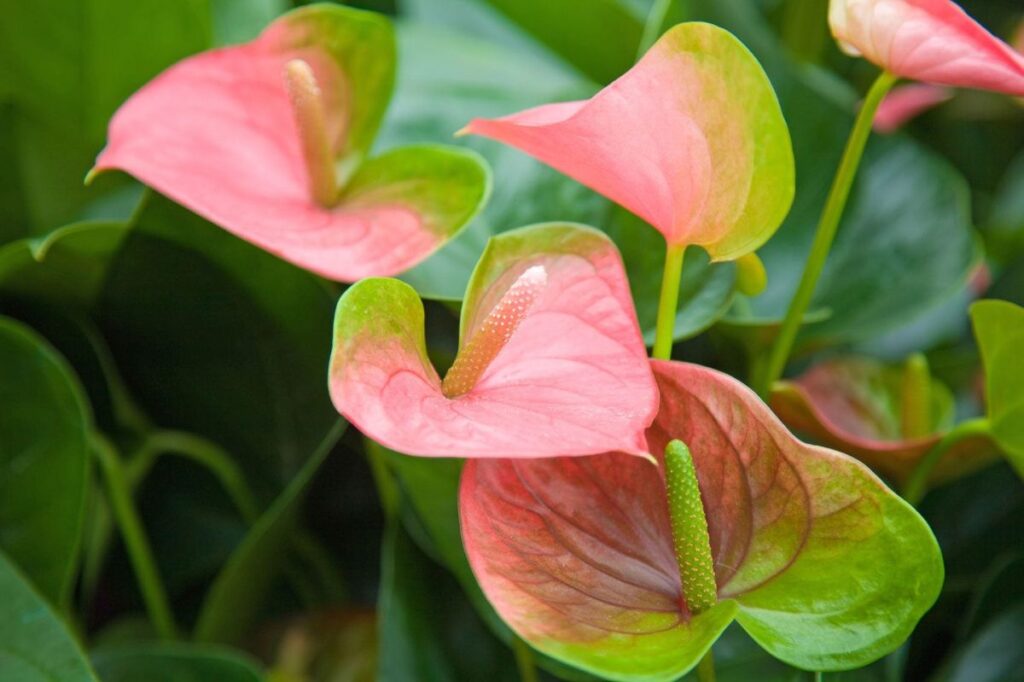
If you’re looking for a low-maintenance yet striking addition to your home or garden, look no further than the Anthurium. This elegant plant has been captivating attention with its vibrant blooms and delicate foliage for centuries. In this article, we’ll delve into the world of Anthurium, exploring its care requirements, types, colors, and more.
What is Anthurium?
Anthurium belongs to the Araceae family and has been a popular choice among plant enthusiasts for over a century. This long-lived, adaptable plant can thrive in various conditions, making it an ideal choice for indoor and outdoor spaces.
Choosing the Right Anthurium
With numerous varieties to choose from, selecting the perfect Anthurium can be overwhelming. Here are some key factors to consider:
- Lighting: Anthurium requires bright, indirect light to photosynthesize efficiently. Avoid direct sunlight, as it can cause scorching.
- Temperature: Keep your Anthurium away from extreme temperatures (below 16°C or above 30°C). It prefers a consistent temperature between 20-27°C.
- Humidity: Maintain a humid environment around 50-60% to promote healthy growth.
Caring for Your Anthurium
To keep your Anthurium thriving, follow these essential care tips:
1.2 Watering
Use room-temperature water and avoid overwatering. Check the soil moisture by sticking your finger into the soil up to the first knuckle.
1.3 Repotting
Repot your Anthurium every 2 years in the winter, when it’s dormant, using a well-draining potting mix.
Concimination and Fertilization
Feed your Anthurium with a balanced, water-soluble fertilizer during the growing season (spring-fall). Dilute the fertilizer to half the recommended strength to avoid burning the roots.
1.4 Pruning
Trim off dead or dying leaves to maintain the plant’s appearance and promote healthy growth.
Fascinating Facts About Anthurium
- The term “anthurium” comes from the Greek word “anthos,” meaning flower, and “ourion,” meaning crown.
- There are over 1,000 known species of Anthurium, ranging in size, shape, and color.
- Anthurium has been used for centuries in traditional medicine to treat various ailments, including fever and rheumatism.
Types of Anthurium
From vibrant reds to soft pinks, Anthurium comes in an array of stunning colors. Here are some popular varieties:
Anthurium Rosso Corallo
This classic variety boasts bright red flowers with a delicate green foliage.
White Champion
With its pure white blooms and compact growth habit, White Champion is perfect for indoor spaces.
Anthurium Fantasy Love
This rare variety features a mesmerizing combination of green and pink hues, making it a standout among other Anthurium species.
Propagation Techniques
To share your love for Anthurium with friends or expand your plant collection, try these propagation techniques:
- Stem Cuttings: Take 4-5 inch stem cuttings with at least two nodes and plant them in a pot filled with moistened peat moss. Keep it warm and humid until roots develop.
- Division: Divide the rhizome into sections, making sure each section has at least one growing eye. Replant the divided sections in well-draining soil.
- Seed Germination: Sow Anthurium seeds in a seed tray filled with moistened peat moss. Maintain high humidity and provide bright light until germination occurs.
Common Problems and Solutions
Here are some common issues you may encounter while caring for your Anthurium:
- Overwatering: Allow the soil to dry out slightly between waterings.
- Underwatering: Increase watering frequency, but avoid overwatering.
- Pests: Inspect your plant regularly and treat any infestations promptly.
Conclusion
Anthurium has captured the hearts of many with its elegant appearance and versatility. By understanding its care requirements, types, colors, and more, you’ll be well on your way to becoming an Anthurium expert. Happy planting!
Frequently Asked Questions (FAQs)
Q: How often should I water my Anthurium?
A: Check the soil moisture by sticking your finger into the soil up to the first knuckle. Water when it feels dry.
Q: Can I grow Anthurium outdoors?
A: Yes, but choose a shaded area and provide protection from extreme temperatures and wind.
Q: How long do Anthurium flowers last?
A: Depending on the variety, Anthurium blooms can last anywhere from 6-12 weeks.
Q: Can I propagate Anthurium using cuttings?
A: Yes, take 4-5 inch stem cuttings with at least two nodes and plant them in a pot filled with moistened peat moss. Keep it warm and humid until roots develop.
Q: Are Anthurium plants toxic to humans or pets?
A: While Anthurium is non-toxic to humans, its sap can cause skin irritation in some individuals. Keep out of reach of pets to avoid any potential harm.
Q: Can I grow Anthurium in low-light conditions?
A: Yes, but be aware that the plant may not produce as many blooms or grow as quickly in low light.
Q: Are there any specific fertilizers recommended for Anthurium?
A: Use a balanced, water-soluble fertilizer during the growing season (spring-fall) to promote healthy growth and blooming.


