
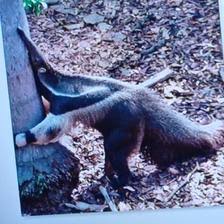
As we venture into the realm of exotic animals, one creature stands out for its peculiar appearance and habits – the anteater. Despite its scientific name being difficult to pronounce, this fascinating animal is native to South America and Central America, making it a unique addition to our ecosystem. In this article, we will delve into the world of anteaters, exploring their characteristics, habitats, diet, and more.
The Anteater’s Unique Features
The anteater’s name scientifically known as Myrmecophagidae, but its distinctive appearance sets it apart from other animals. With a long, elongated body that can range from 15 cm to 1 meter in length, including its tail, this animal is characterized by a unique proboscis and tongue. The proboscis acts like a nose, allowing the anteater to sniff out ants and termites with ease. Its long, sticky tongue helps it catch its prey, much like a giant vacuum cleaner.
The anteater’s body is also notable for its volume, particularly its hind legs, which are robust and equipped with sharp claws. These claws serve as a defense mechanism against predators, making the anteater a formidable opponent in the wild.
Adaptations to its Environment
One of the most fascinating aspects of anteaters is their unique adaptation to their environment. Their fur is composed of two layers: a thick undercoat that helps to protect them from extreme temperatures and a longer guard hair layer that prevents ants and termites from crawling up their bodies. This remarkable adaptation allows the anteater to stay safe while foraging for food in its native habitat.
Habitat and Distribution
As we explore the world of anteaters, it becomes apparent that their natural habitat is not in Italy or Europe. Instead, these animals thrive in tropical forests, savannas, and grasslands in Central and South America. Some countries where anteaters can be found include Argentina, Bolivia, Brazil, Colombia, Costa Rica, Ecuador, Honduras, Nicaragua, Peru, Paraguay, and Venezuela.
However, due to habitat destruction and fragmentation, the anteater is increasingly rare in some areas, such as Guatemala, El Salvador, Uruguay, and Belize. In Italy, it’s essential to acknowledge that anteaters do not inhabit our continent, making them an exotic animal that should be appreciated from a distance.
Types of Anteaters
There are four species of anteaters: the giant anteater (Myrmecophaga tridactyla), the silky anteater (Cyclopes didactylus), the northern tamandua (Tamandua mexicana), and the southern tamandua (Tamandua tetradactyla). Each species has unique characteristics, such as their body size, coat coloration, and tongue length.
The Giant Anteater: The “Orso delle Formiche”
One subspecies of anteater stands out for its massive size – the giant anteater. Nicknamed the “armadillo ant” or “orso delle formiche,” this animal can reach lengths of up to 2 meters (6.6 feet) and weigh over 40 kilograms (88 pounds). Its diet consists mainly of ants and termites, which it catches with its long, sticky tongue.
The giant anteater’s unique characteristics have earned it a place in the myths and legends of pre-Columbian civilizations. While its size is impressive, this animal is also known for its solitary nature and ability to live in challenging environments.
Behavioral Adaptations
Anteaters are primarily solitary animals, only coming together during mating season or when encountering each other while competing for food sources. This behavior is essential to their survival, as it allows them to protect their territory from rival anteaters.
Another fascinating adaptation of anteaters is their ability to survive in areas with low food availability. Anteaters have a slow metabolism and can go without eating for extended periods, allowing them to conserve energy while searching for food sources.
Feces as a Food Source
Anteaters also play an essential role in the ecosystem by consuming insects and other invertebrates that might otherwise become pests. The anteater’s unique digestive system allows it to break down the exoskeletons of ants and termites, making these animals a vital component of the food chain.
Reproduction and Breeding
Anteaters typically breed between May and September, with females giving birth to one or two young after a gestation period of around 150 days. The young anteater will stay with its mother for several months before becoming independent, during which time it learns essential survival skills from its mother.
Conservation Status
Many anteater species are threatened or endangered due to habitat loss and fragmentation. Efforts have been made to protect their habitats and conserve their populations, but more work needs to be done to ensure the long-term survival of these fascinating animals.
Similar Animals: The Pangolin
When it comes to animals similar to anteaters, one creature that stands out is the pangolin. With its unique scaly covering and ability to roll into a ball for defense, this animal is both fascinating and elusive. Pangolins are nocturnal creatures that feed on ants and termites, using their long claws to dig into termite mounds.
While pangolins can be found in various regions of the world, including Asia and Africa, they are not typically found near anteaters. However, both animals share a common diet and unique characteristics that set them apart from other creatures.
Frequently Asked Questions
Q: Where can I find anteaters in the wild?
A: Anteaters are native to Central and South America, primarily found in tropical forests, savannas, and grasslands.
Q: Can I keep an anteater as a pet?
A: We strongly advise against keeping anteaters as pets due to their specific needs and potential harm caused by poor care or handling.
Q: What is the average lifespan of an anteater?
A: In the wild, anteaters typically live between 10-15 years. In captivity, with proper care, they can live up to 20 years.
Q: Are anteaters endangered?
A: Yes, many anteater species are threatened or endangered due to habitat loss and fragmentation.
Q: Can I help protect anteaters and their habitats?
A: Absolutely! By supporting conservation efforts, reducing your carbon footprint, and spreading awareness about these fascinating animals, you can contribute to their protection.


