
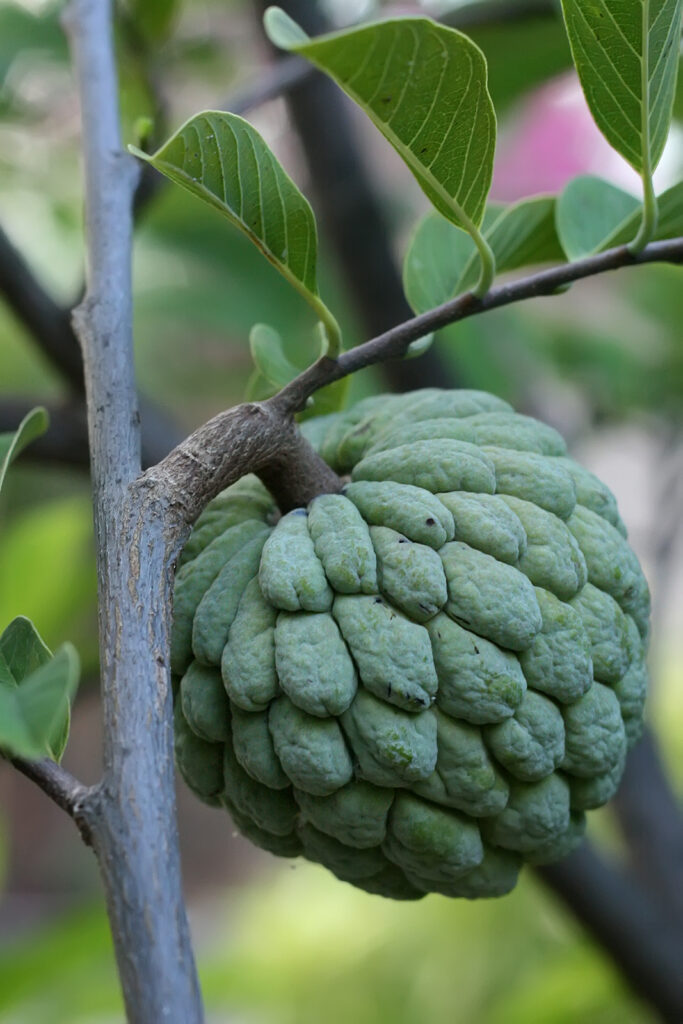
As we explore the world of tropical fruits, one that often goes unnoticed is the Annona, also known as Graviola or Guanabana. This sweet and versatile fruit has been a staple in many parts of South America for centuries, but its properties and uses extend far beyond just being a delicious snack.
What is Annona Muricata?
Annona Muricata is one of the most widely recognized varieties of this plant, which belongs to the Annonaceae family. Native to tropical regions, including the Caribbean, it has adapted to thrive in areas with mild winters, such as Florida. This tree can grow up to 12 meters tall, with few branches and long, greenish-yellow flowers.
The Fruit: A Treasure Trove of Nutrients
After the flower blooms, the fruit emerges, reaching lengths of over a foot and weighing up to 2.5 kg. The skin is thin, green, and covered in small spines that are non-pungent. Inside, the pulp is white, soft, sweet, and packed with sugar, proteins, and vitamin C. While its potential anti-cancer properties have been studied, no concrete evidence has been found… yet.
Annona Cherimola: The Andean Delight
Hailing from the highlands of Peru, Ecuador, Colombia, Bolivia, Chile, California, Florida, Africa’s southern tip, and Mediterranean countries like Italy, Annona Cherimola is a fruit that defies climate limitations. Its cousin, the Graviola, shares similar characteristics, with some differences in taste and texture.
The Sweet but Fickle Fruit
Annona is renowned for its sweet and exotic flavor, making it an excellent choice for desserts like gelato, sorbet, jam, or even savory dishes. However, its short shelf life and difficulty in preservation have led many to cultivate and preserve it immediately after harvesting.
A Plant with a Rich History
As naturalized in the valleys of Colombia and Bolivia, Annona spread throughout South America. The earliest recorded cultivation dates back to ancient times, when Inca farmers grew it in Cile and Brazil. Its origins remain unclear, with some attributing its introduction to 1629 by Padre Bernabè Combo, a Jesuit missionary, naturalist, and writer.
Growing Annona: A Challenge Worth Tackling
While Annona Muricata thrives in Calabria’s mild climate, it’s challenging to cultivate in areas with high humidity. If you’re up for the challenge, you can find its seeds online, like on Amazon, starting at 4.50 euros. Another fascinating fruit to consider growing is the Banana de Montaña – a true adventure!
Caring for Your Annona Tree
Annona Muricata requires well-draining soil, partial shade, and regular watering to ensure its optimal growth and fruit production. The tree can be pruned regularly to maintain its shape and promote healthy growth.
Common Pests and Diseases
Annona is susceptible to pests like aphids, whiteflies, and spider mites, which can cause damage to the leaves and fruit. Regular monitoring and integrated pest management strategies can help prevent infestations. Fungal diseases like anthracnose and fusarium wilt can also affect the tree, but proper sanitation and crop rotation can minimize the risk.
How to Harvest Annona
Annona fruits are typically ready for harvest 60-90 days after flowering. The best way to determine ripeness is by gently squeezing the fruit; it should yield slightly to pressure. Carefully cut the stem at an angle to avoid damaging the tree or the fruit.
Using Annona in Cooking and Preserving
Annona can be used in a variety of dishes, from sweet treats like ice cream and puddings to savory dishes like stews and soups. The fruit can also be preserved by freezing or dehydrating it immediately after harvesting to maintain its nutritional value.
The Versatility of Annona
In addition to its culinary uses, Annona has been used in traditional medicine for centuries. Its leaves, bark, and seeds have been used to treat a range of ailments, from fever and rheumatism to skin conditions and wounds. While more research is needed to confirm these claims, the plant’s versatility and potential health benefits make it an exciting discovery.
Annona and Cancer
Research on Annona’s potential anti-cancer properties has been ongoing for several decades. Studies have shown that the fruit contains a variety of compounds with anti-tumor and anti-inflammatory effects. While more research is needed to confirm these findings, the results are promising and warrant further investigation.
The Future of Annona
As we continue to explore the many benefits of Annona, it’s clear that this plant has a bright future ahead of it. From its potential health benefits to its culinary uses, Annona is an exciting discovery that holds great promise for people around the world.
Conclusion
As we’ve discovered, Annona is more than just a tasty treat; it’s a plant with an impressive history, versatility, and potential health benefits. We hope you’ve enjoyed this exploration of its properties and uses.
Frequently Asked Questions (FAQs)
- What are the health benefits of eating Annona?
While some studies suggest anti-cancer properties, more research is needed to confirm these claims. - Can I grow Annona in my area?
Annona Muricata thrives in mild climates with low humidity. Check local regulations and climate conditions before attempting to cultivate it. - What are the differences between Graviola and Cherimola?
Graviola has a slightly sweeter taste, while Cherimola’s flavor is more complex and nuanced. - How do I preserve Annona for longer consumption?
Annona can be preserved by freezing or dehydrating it immediately after harvesting to maintain its nutritional value. - Can I use Annona in savory dishes?
Absolutely! The fruit pairs well with a variety of spices, herbs, and other ingredients to create unique flavor profiles. - Is Annona safe for people with allergies?
Those sensitive to bananas or avocados may experience allergic reactions; however, proper identification and preparation can minimize risks. - Can I eat Annona seeds?
While edible, the seeds contain high amounts of oxalic acid, making them potentially toxic in large quantities. - How do I care for my Annona tree?
Annona Muricata requires well-draining soil, partial shade, and regular watering to ensure its optimal growth and fruit production.
By exploring the fascinating world of Annona, we hope you’ve gained a deeper understanding of this incredible plant’s properties, uses, and potential benefits. Whether you’re a seasoned gardener or just starting out, we encourage you to consider growing and enjoying this amazing fruit!


