
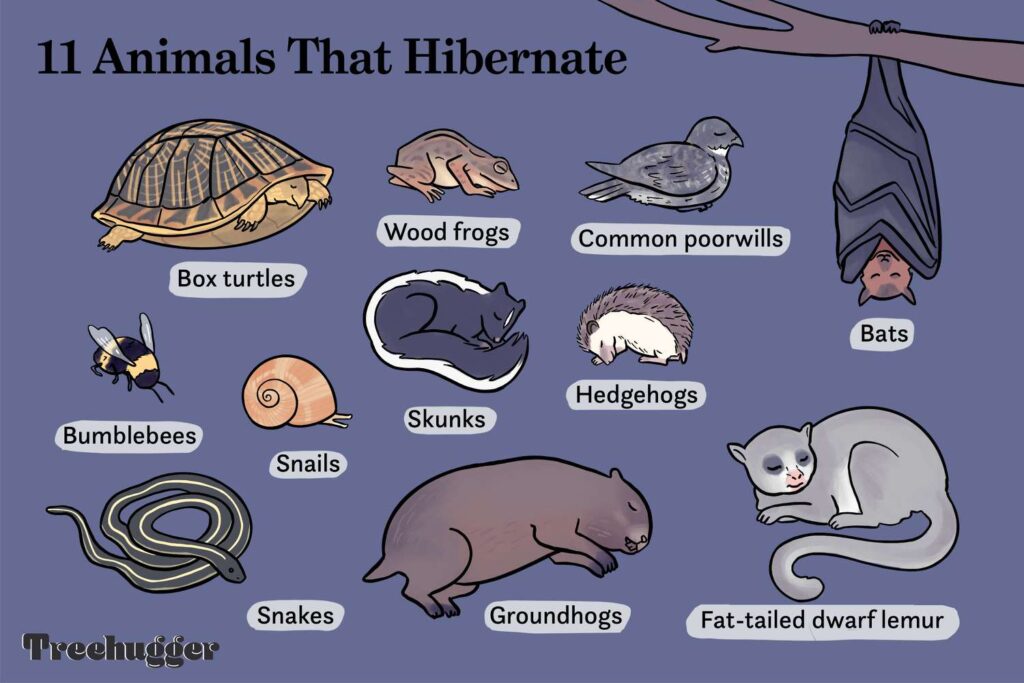
Hibernation is a fascinating phenomenon that has captivated humans for centuries. While it’s often associated with bears and groundhogs, many other animals also hibernate to survive the harsh winter months. In this article, we’ll delve into the world of hibernation, exploring what it means, when animals go into hibernation, and which creatures are most affected.
What is Hibernation?
Hibernation is a state of inactivity and reduced metabolism that some animals enter to conserve energy during periods of food scarcity or harsh weather conditions. It’s not just a matter of sleeping through the winter; hibernation is a complex physiological response that involves changes in body temperature, heart rate, and breathing patterns.
Animals that hibernate are not spoiled little dormiglions, but rather living beings that have adapted to their environments over time. They activate an automatic physiological change to withstand extended periods of fasting, often by slowing down their metabolism and reducing energy consumption.
The Science Behind Hibernation
Hibernation is a multifaceted phenomenon that involves several complex processes. One of the key factors is the reduction of body temperature, which can drop as low as 40°F (4°C) in some animals. This decrease in body temperature allows for a significant reduction in energy consumption, as the animal’s metabolic rate slows down.
Another critical aspect of hibernation is the increase in heart rate and blood pressure during periods of arousal. As the animal begins to wake up from its long slumber, its heart rate increases dramatically, pumping more blood to the muscles and brain. This sudden influx of oxygen and nutrients allows the animal to recover quickly and reinitiate its normal physiological processes.
When Animals Go into Hibernation
Unlike a school bell ringing to signal the start of hibernation, there isn’t a specific date or temperature threshold that triggers this behavior in animals. Instead, each species has its own unique strategy for entering hibernation, often tied to changes in daylight hours, temperature, and food availability.
Animals That Hibernate in Autumn
As the days shorten and temperatures drop, some animals begin their hibernation in autumn. Squirrels and rabbits are among the first to settle into their cozy dens, where they’ll spend the winter months fasting and conserving energy.
Other animals that hibernate in autumn include marmots, amphibians, and reptiles, which often enter a state of torpor before fully immersing themselves in hibernation. This alternating sleep pattern allows them to conserve energy while still maintaining some level of activity.
Animals That Hibernate in Winter
Not all animals wait until autumn to begin their hibernation. Some species, like bears and turtles, can enter a state of hibernation as early as winter, often taking advantage of the cold weather to stockpile food and prepare for the long sleep ahead.
Other animals, such as pipistrelles and rodents, may experience an alternating pattern of hibernation and torpor, allowing them to survive on limited resources during the harsh winter months.
Animals That Hibernate in Spring
After a period of dormancy, some animals emerge from their winter slumber in the spring. Bats are one example of animals that typically hibernate during the winter but begin emerging as early as March or April.
Other animals, such as hummingbirds and butterflies, can also experience a brief period of dormancy before resuming their normal activities. This temporary pause allows them to recover from the cold temperatures and replenish their energy reserves.
Coloring Diagrams for Research
While animals that go into hibernation are finishing their final preparations, researchers can learn more about these fascinating creatures by studying diagrams of their physical characteristics. These illustrations provide valuable insights into the biology and ecology of hibernating animals, helping scientists better understand this complex phenomenon.
For example, a diagram of a bear’s physiology might reveal how its body temperature drops to conserve energy during hibernation, or a diagram of a bat’s wings might show the intricate structure that allows it to fly despite its small size.
Complete List of Animals That Hibernate
Here’s a comprehensive list of animals that go into hibernation:
- Marmots
- Squirrels
- Groundhogs
- Gerbils
- Rabbits
- Pipistrelles
- Snakes
- Lizards (and many reptiles)
- Turtles
- Frogs
- Worms
- Butterflies
- Insects
Animals That Don’t Hibernate
Not all animals are affected by hibernation. Some, like humans, cats, and dogs, remain active throughout the winter months, relying on their own energy sources to survive.
Other creatures that don’t hibernate include:
- Bees
- Lizards
- Castors
- Snails
- Grasshoppers
- Butterflies
- Ants
- Groundhogs (ironically!)
- Earthworms
- Opossums
Why Do Some Animals Hibernate?
So, why do some animals go into hibernation in the first place? The main reasons are to conserve energy and survive extreme weather conditions. By slowing down their metabolism and reducing energy consumption, these animals can make it through periods of food scarcity or harsh weather.
For example, a squirrel that hibernates for several months during the winter is able to survive on its stored fat reserves, allowing it to emerge in the spring when food becomes more abundant.
Conservation Implications
Hibernation plays an essential role in maintaining healthy ecosystems. Many animals that go into hibernation are keystone species, meaning they have a disproportionate impact on their environment relative to their abundance.
For example, marmots and groundhogs play crucial roles as seed dispersers and nutrient cyclers in mountainous ecosystems. By studying these fascinating creatures, scientists can gain valuable insights into the complex relationships between animals and their environments.
Interesting Hibernation Facts
- Some animals can hibernate for up to 18 months or more!
- The shortest recorded hibernation lasted just 11 minutes.
- Some species of bears can slow down their metabolism by as much as 90%.
- Hibernating animals often experience increased heart rate and blood pressure during periods of arousal.
How Humans Can Learn from Hibernating Animals
While humans cannot truly hibernate, we can learn valuable lessons from these fascinating creatures. For example:
- By studying the ways in which hibernating animals conserve energy, we can develop more efficient technologies to reduce our own energy consumption.
- By understanding how hibernating animals adapt to changing environmental conditions, we can gain insights into climate change and its impacts on ecosystems.
Conclusion
Hibernation is a remarkable adaptation that allows certain animals to survive the harsh winter months. By exploring this complex phenomenon, we can better appreciate the intricate relationships between animals and their environments.
Whether you’re a nature enthusiast or simply curious about the natural world, hibernation offers a fascinating glimpse into the secret lives of creatures that live in harmony with the seasons.
Frequently Asked Questions
- What triggers hibernation?
There isn’t a single trigger for hibernation; instead, it’s often tied to changes in daylight hours, temperature, and food availability. - Do all animals hibernate?
No, not all animals are affected by hibernation. Some species remain active throughout the winter months. - How long does hibernation last?
Hibernation periods vary depending on the species, but can range from a few weeks to several months or even years. - What happens to an animal’s metabolism during hibernation?
An animal’s metabolism slows down significantly during hibernation, allowing them to conserve energy and survive on limited resources. - Can animals wake up during hibernation?
Some animals may experience brief periods of wakefulness during hibernation, often referred to as “hibernation breaks.” - Why do some animals go into torpor instead of full hibernation?
Torpor is a state of reduced activity that allows animals to conserve energy while still maintaining some level of responsiveness. - Can humans hibernate?
Humans cannot truly hibernate, but we can experience a form of induced hibernation through medical treatments and sleep deprivation. - Are all mammals capable of hibernation?
No, not all mammals are adapted for hibernation. Some species, like elephants and whales, have alternative strategies for surviving extreme cold temperatures.
Further Reading
If you’re interested in learning more about the fascinating world of hibernating animals, here are some recommended books:
- “The Hibernation Handbook” by Dr. David A. Patterson
- “Hibernation: The Biology and Behavioral Secrets of a Survival Strategy”
- “Wildlife Biology: A Comprehensive Approach”
These books offer valuable insights into the biology, ecology, and conservation of hibernating animals, as well as practical tips for understanding and appreciating this complex phenomenon.
Additional Resources
For those interested in learning more about hibernation and its impact on ecosystems, here are some recommended online resources:
- The Hibernation Society: A comprehensive website dedicated to the study and conservation of hibernating animals.
- National Geographic’s Hibernation Guide: A detailed guide to hibernation, including fascinating facts and stunning images.
- Science Daily’s Hibernation Research: Up-to-date research on hibernation, including articles and summaries.


