
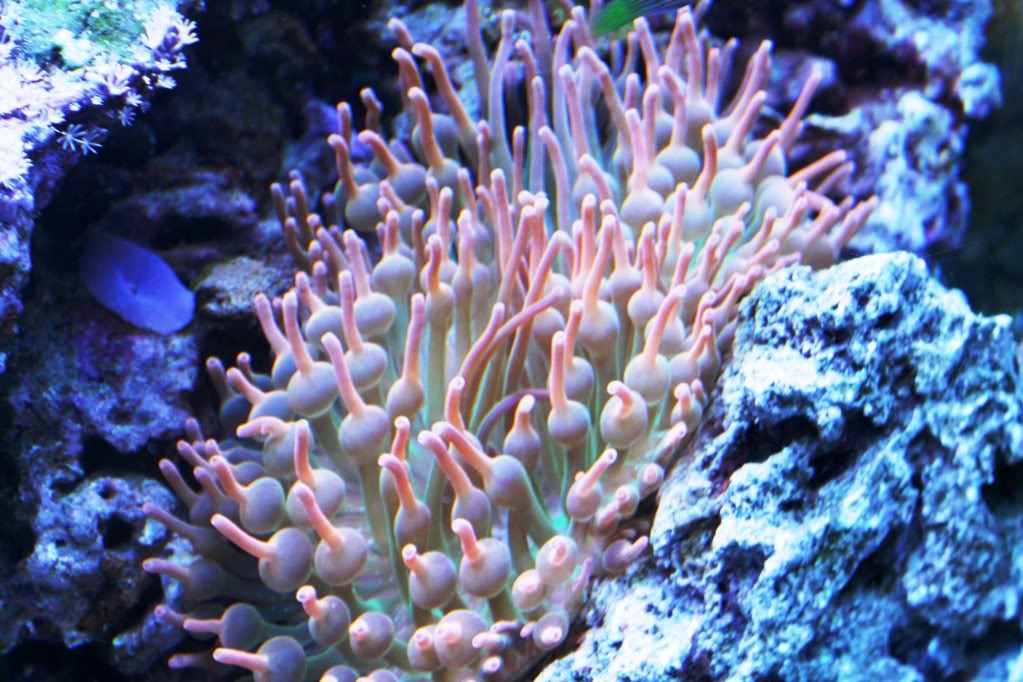
Anemones are a popular choice for aquarium enthusiasts, but they can be challenging to care for. Some species of anemones are considered “safe” for coral reefs, while others can be aggressive and cause harm. In this article, we will explore the different types of anemones, their behavior, and how to care for them in an aquarium.
Understanding Anemones and Their Behavior
Anemones belong to the class Attenia, which includes many species of marine animals. There are over 1,000 species of anemones, each with unique characteristics. Some anemones are sessile, meaning they attach themselves to a substrate and remain stationary, while others can move around.
One of the most fascinating aspects of anemones is their behavior. Anemones have unique behaviors that set them apart from other marine animals. For example, anemones can be sessile or mobile, and they have a unique way of eating food using their tentacles to capture small prey. Some species of anemones can even recognize and respond to specific fish species.
Anemone Classification
Anemones belong to the class Attenia, which includes many species of marine animals. There are over 1,000 species of anemones, each with unique characteristics. Some anemones are sessile, meaning they attach themselves to a substrate and remain stationary, while others can move around.
There are several types of anemones, including:
- Sea Anemones (Anemone di Mare): These are the most common type of anemone and are found in shallow waters.
- Freshwater Anemones: These anemones are found in freshwater environments and are less common than their saltwater counterparts.
- Furry Anemones: These anemones have a unique, furry appearance and are often found in deep water.
Anemone vs. Aiptasia
Aiptasia are small, sessile animals that can infest coral reefs. They are often mistaken for anemones, but they have distinct differences. To differentiate between anemones and Aiptasia, look for the following:
- Anemones have tentacles, while Aiptasia do not.
- Anemones are generally larger than Aiptasia.
To eliminate Aiptasia from your aquarium, consult our guide on how to get rid of these pesky creatures.
Anemone and Coral Reef
Can anemones coexist with corals? The answer is yes, but it depends on the type of anemone. Some species of anemones are aggressive and can cause harm to corals, while others are non-aggressive and can even form symbiotic relationships. To keep an anemone and coral reef healthy, it’s essential to choose a compatible species.
When choosing an anemone for your coral reef, look for the following characteristics:
- A small size: Small anemones are less likely to cause harm to corals.
- A non-aggressive nature: Look for anemones that are known to be non-aggressive and won’t attack corals.
- A compatible species: Some anemones are specifically designed to coexist with corals, so look for these when selecting an anemone.
Identifying a Dead Anemone
How do you know if your anemone is dead? Here are some signs:
- The anemone has lost its color and vibrancy.
- The anemone has shrunk or become discolored.
- The anemone’s tentacles have fallen off.
- The anemone is not attaching itself to the substrate.
If you notice any of these signs, it’s best to quarantine the anemone in a separate tank to prevent harm to other aquarium inhabitants.
Anemone Behavior
Anemones have unique behaviors that set them apart from other marine animals. For example:
- Anemones can be sessile or mobile.
- Anemones have a unique way of eating food using their tentacles to capture small prey.
- Some anemones can even recognize and respond to specific fish species.
To create a stimulating environment for your anemone, provide plenty of hiding places and visual stimulation. You can achieve this by adding rocks, driftwood, or other decorations to the aquarium.
Anemone Care
To keep your anemone healthy and thriving, follow these care tips:
- Provide plenty of light, but avoid intense radiation.
- Maintain optimal water parameters (24-27°C, 1.023-1.027 salinity).
- Offer a varied diet that includes small invertebrates and fish food.
- Perform regular water changes to maintain water quality.
In addition to these care tips, here are some additional tips for keeping anemones:
- Provide plenty of space: Anemones need room to grow and move around. Make sure your aquarium is large enough to accommodate your anemone comfortably.
- Use a suitable substrate: Anemones prefer to attach themselves to rocks or other decorations. Use a substrate that is suitable for anemones, such as live rock or sand.
- Avoid overfeeding: Anemones are carnivores and need to eat regularly. However, overfeeding can lead to water quality issues and harm your anemone.
Conclusion
Anemones are fascinating marine animals that can add unique beauty and interest to your aquarium. By understanding their behavior, compatibility with corals, and care requirements, you can create a thriving and harmonious ecosystem. Remember to research compatible species, provide optimal care conditions, and enjoy the rewards of having anemone in your aquarium.
FAQs
- Q: Can I keep an anemone with my coral reef?
A: Yes, but choose a compatible species and follow proper care guidelines. - Q: How do I know if my anemone is dead?
A: Look for signs of discoloration, shrinkage, or loss of tentacles. - Q: What diet should I feed my anemone?
A: Offer a varied diet that includes small invertebrates and fish food. - Q: Can I keep Aiptasia with my anemone?
A: No, as Aiptasia are pests that can infest your aquarium. - Q: How often should I perform water changes for my anemone?
A: Regularly (10-20% every week) to maintain optimal water quality. - Q: Can I keep clownfish with my anemone?
A: Yes, but only if you have a compatible species and provide proper care conditions. - Q: How do I prevent Aiptasia infestation?
A: Regularly clean your aquarium and use targeted treatments to eliminate pests. - Q: What is the ideal temperature for my anemone?
A: 24-27°C, with optimal salinity between 1.023 and 1.027.
Note: The text has been rewritten in a conversational tone while maintaining high levels of specificity and clarity.


