
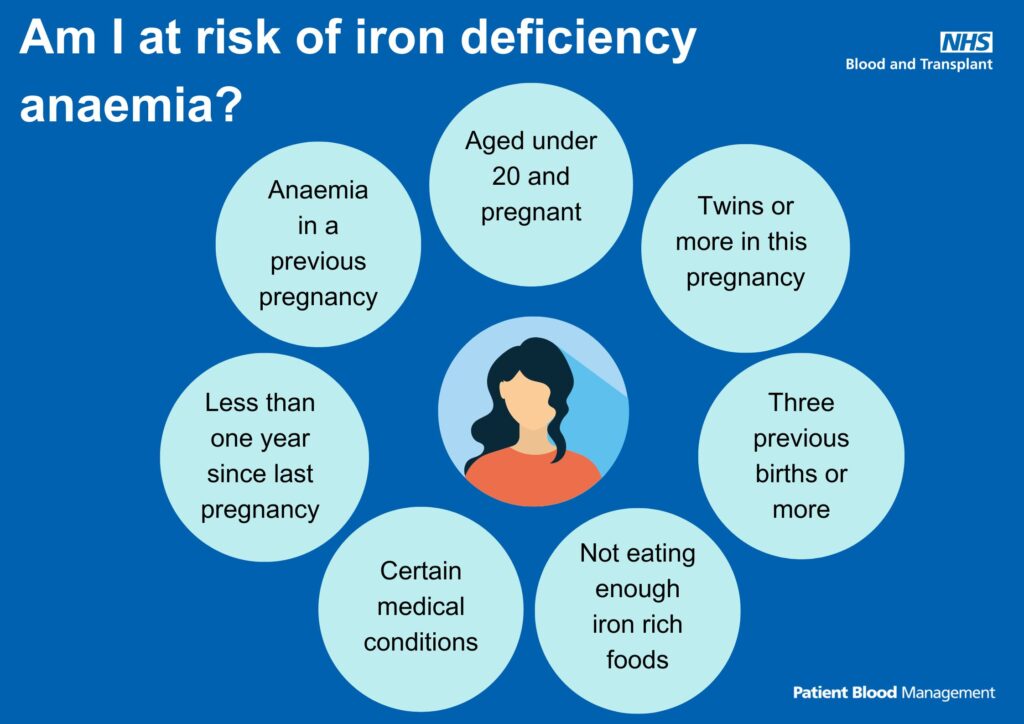
As a pregnant woman, it’s essential to be aware of the risks associated with anemia during pregnancy. Anemia is a condition characterized by a lack of sufficient red blood cells in the body, which can lead to oxygen deprivation in various organs and tissues. In this article, we’ll delve into the causes, symptoms, treatment options, and prevention strategies for anemia during pregnancy.
What is Anemia?
Anemia occurs when the body produces insufficient red blood cells or hemoglobin, a protein within red blood cells that carries oxygen to different parts of the body. This can lead to fatigue, weakness, and shortness of breath among other symptoms.
Causes of Anemia during Pregnancy
Several factors contribute to anemia in pregnant women, including:
- Iron deficiency: The most common cause of anemia in pregnant women, iron is essential for producing red blood cells.
- Folic acid deficiency: Folic acid helps prevent birth defects of the brain and spine. A lack of folic acid can lead to a decrease in the number of red blood cells produced by the body.
- Vitamin B12 deficiency: Vitamin B12 plays a crucial role in the production of red blood cells.
- Chronic disease: Certain chronic diseases, such as kidney or liver disease, can increase the risk of anemia.
- Blood loss: Excessive bleeding during pregnancy or childbirth can lead to iron deficiency and anemia.
- Genetic disorders: Certain genetic disorders, such as sickle cell disease, can affect red blood cell production and lead to anemia.
Symptoms of Anemia during Pregnancy
Anemia can manifest differently in pregnant women, but common symptoms include:
- Fatigue or weakness
- Dizziness or vertigo
- Shortness of breath
- Rapid heartbeat
- Chest pain
- Pale skin, lips, and nails
- Cold hands and feet
- Difficulty concentrating
In addition to these symptoms, pregnant women with anemia may experience:
- Poor appetite: Anemia can lead to a decrease in appetite, which can exacerbate the condition.
- Mood changes: Iron deficiency has been linked to depression, anxiety, and other mood disorders.
- Hair loss: Iron deficiency can cause hair loss due to a lack of iron in the hair follicles.
How to Prevent Anemia during Pregnancy
Prevention is key when it comes to anemia in pregnant women. Here are some tips:
- Maintain a balanced diet: Include iron-rich foods like lean meats, poultry, fish, beans, lentils, and fortified cereals.
- Take supplements: If necessary, consult your healthcare provider about taking iron or folic acid supplements.
- Eat foods rich in vitamin C: Vitamin C can enhance the absorption of iron from plant-based sources.
- Get regular check-ups: Regular health check-ups with your healthcare provider can help identify potential issues early on.
Treating Anemia during Pregnancy
If you’re diagnosed with anemia, there are several treatment options available:
- Iron supplements: Taking iron supplements can help increase red blood cell production and alleviate symptoms.
- Folic acid supplements: If necessary, your healthcare provider may recommend folic acid supplements to prevent birth defects.
- Blood transfusions: In rare cases, blood transfusions may be necessary to replace lost blood or red blood cells.
Natural Remedies for Anemia
While some natural remedies may offer temporary relief, consult your healthcare provider before taking any supplements or herbal remedies. Some popular natural remedies for anemia include:
- Iron-rich foods: Include iron-rich foods like spinach, beets, and sweet potatoes in your diet.
- Vitamin C-rich foods: Eat foods rich in vitamin C, such as citrus fruits, bell peppers, and broccoli.
- Herbal supplements: Certain herbal supplements, such as rhodiola rosea and ashwagandha, may help alleviate symptoms of anemia.
Conclusion
Anemia during pregnancy can have significant effects on both the mother and the fetus. By understanding the causes, symptoms, treatment options, and prevention strategies, you can take proactive steps to ensure a healthy pregnancy. Remember to always consult your healthcare provider if you’re concerned about anemia or any other aspect of your pregnancy.
Frequently Asked Questions (FAQs)
- What are the risk factors for developing anemia during pregnancy?
- Risk factors include iron deficiency, folic acid deficiency, and vitamin B12 deficiency.
- Can anemia in pregnant women affect fetal development?
- Anemia can lead to a decrease in oxygen delivery to the fetus, potentially affecting growth and development.
- How often should I get my blood checked for anemia during pregnancy?
- Regular health check-ups with your healthcare provider can help identify potential issues early on.
- Can I treat anemia with home remedies or natural supplements?
- While some home remedies may offer temporary relief, consult your healthcare provider about evidence-based treatments and supplements.
- How can I prevent anemia during future pregnancies?
- Maintaining a balanced diet, taking iron or folic acid supplements as recommended by your healthcare provider, and getting regular health check-ups can help prevent anemia in future pregnancies.
Additional Resources
- American Pregnancy Association: https://americanpregnancy.org/pregnancy-complications/healthy-pregnancy/anemia/
- National Institute of Child Health and Human Development (NICHD): https://www.nichd.nih.gov/health/topics/Pregnancy/Pages/default.aspx
- Centers for Disease Control and Prevention (CDC): https://www.cdc.gov/pregnancy/low birth weight/pregnancy.html
By understanding the causes, symptoms, treatment options, and prevention strategies for anemia during pregnancy, you can take proactive steps to ensure a healthy pregnancy. Always consult your healthcare provider if you’re concerned about anemia or any other aspect of your pregnancy.


