
Introduction
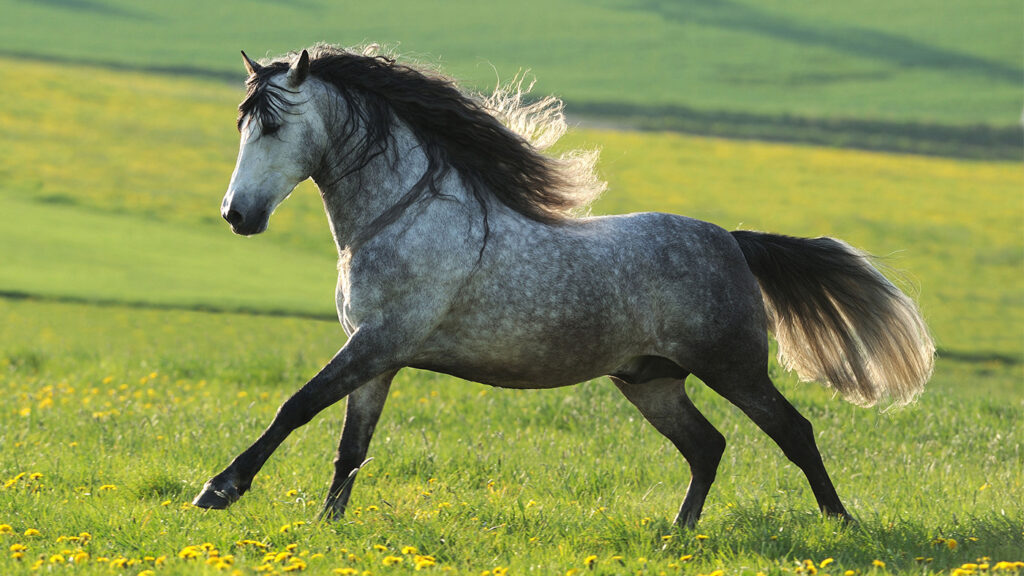
The Andalusian horse is known for its intelligence, elegance, and athleticism. This breed has been used primarily for riding and showing, but it is also used for other equestrian activities. The Andalusian is native to Spain and can be found in various colors, including gray, bay, chestnut, silver, and roan. Let’s take a closer look at this magnificent horse.
Origin
The origins of the Andalusian horse are shrouded in controversy, with several theories about its origins. The first recorded mention of the breed dates back to 250 BC, when horses were imported from Numidia into Spain. Julius Caesar also wrote about the Andalusian horse in his book “De Bello Gallico.” One theory is that the breed originated from African horses brought through the Strait of Gibraltar, while another theory suggests that it was developed by crossing local breeds with Berber and Arabian horses.
Another theory is that the Andalusian horse was developed by the Moors, who introduced Arabian horses to Spain in the 8th century. The Moors bred these horses with local Spanish horses, resulting in a unique breed that would eventually become the Andalusian horse we know today.
Characteristics
The Andalusian horse is an elegant and athletic breed. Its head is refined, with large expressive eyes and a well-proportioned nose. The neck is long and slender, with a robust yet slanted back. The body is muscular and agile, with long legs and strong hooves. The coat can vary in color, but the most common colors are gray, bay, chestnut, silver, and roan.
The Andalusian horse’s size also varies depending on its height and weight. On average, an adult Andalusian horse measures 160 cm at the garrese and weighs between 570-600 kg. However, some horses can be larger or smaller than this range, depending on their breeding and genetic makeup.
Character
The Andalusian horse is known for its intelligence, pride, and affectionate nature. It is highly trainable and has been used for centuries in the Spanish cavalry and the classical riding school. The breed is also renowned for its agility and athleticism, making it an excellent choice for riders who want to perform at high levels.
One of the key characteristics of the Andalusian horse is its temperament. They are known for being gentle and calm, but they can also be strong-willed and independent. This means that riders need to be experienced and confident in order to handle these horses effectively.
Alimentation
The Andalusian horse requires a balanced diet that includes high-quality hay, grains, and vitamins. In the wild, they would typically graze on grasses and forage, but in captivity, their diet needs to be carefully managed to ensure they receive all the nutrients they need.
In general, Andalusian horses are known to thrive on a diet that is rich in fiber and low in sugar. They also require regular exercise and mental stimulation to stay happy and healthy.
Price
The price of an Andalusian horse varies greatly depending on factors such as its age, quality, and provenance. On average, a high-quality Andalusian horse can cost between €7,000 and €15,000. However, prices can range from €10,000 to €30,000 or more for top-level breeding stock.
It’s also worth noting that the price of an Andalusian horse can vary depending on its bloodlines and pedigree. For example, horses with a strong pedigree and high-quality breeding can cost significantly more than those without these characteristics.
FAQs
- What is the origin of the Andalusian horse?
The origins of the Andalusian horse are shrouded in controversy, with several theories about its origins. - How tall and heavy is the Andalusian horse?
The Andalusian horse typically measures 160 cm at the garrese and weighs between 570-600 kg. - What colors can the Andalusian horse come in?
The Andalusian horse can come in a variety of colors, including gray, bay, chestnut, silver, and roan. - How intelligent is the Andalusian horse?
The Andalusian horse is highly intelligent and trainable, making it an excellent choice for riders who want to perform at high levels. -
What is the typical lifespan of an Andalusian horse?
The typical lifespan of an Andalusian horse is between 25-30 years. -
Can I buy a foal from an Italian breeders?
Yes, there are many reputable breeders in Italy who sell Andalusian horses and foals. - How can I find an authentic Andalusian horse breeder?
To find an authentic Andalusian horse breeder, look for breeders who are registered with the Spanish Association of Andalusian Horse Breeders or the Italian Federation of Equine Breeding. - What is the most popular use of the Andalusian horse?
The most popular use of the Andalusian horse is for classical riding and competition.
Conclusion
In conclusion, the Andalusian horse is a magnificent breed known for its intelligence, elegance, and athleticism. Whether you’re looking to buy a horse or simply learn more about this incredible breed, there’s no denying the allure of the Andalusian horse.
As with any horse breed, it’s essential to research thoroughly before making a purchase or committing to owning an Andalusian horse. With proper care, training, and attention, these horses can thrive and provide a lifetime of companionship and joy for their owners.
Breeding and Care
Andalusian horses are typically bred in the spring and fall, with breeding programs focused on preserving the breed’s genetic diversity and promoting its overall health and well-being. The goal of breeding is to create healthy, strong, and agile horses that can excel in a variety of equestrian activities.
In terms of care, Andalusian horses require regular exercise, mental stimulation, and proper nutrition to stay happy and healthy. This includes providing them with high-quality hay, grains, and vitamins, as well as plenty of space to run and play.
It’s also essential to provide regular veterinary care, including vaccinations, dental care, and hoof trimming. Andalusian horses are known for their strong hooves, which require regular maintenance to prevent lameness and other issues.
Show Jumping
Andalusian horses have a long history of competition in show jumping, where they excel due to their agility, athleticism, and intelligence. In fact, the breed is one of the most popular choices for riders who compete in this discipline.
To train an Andalusian horse for show jumping, it’s essential to start with young horses that are eager to learn and responsive to training. The goal is to develop a strong partnership between the horse and rider, where they work together seamlessly to navigate complex courses and overcome obstacles.
Dressage
Andalusian horses are also renowned for their elegance and poise in dressage, where they excel due to their intelligence, athleticism, and natural balance. In this discipline, riders aim to create a harmonious partnership with the horse, where they work together to perform precise movements and patterns.
To train an Andalusian horse for dressage, it’s essential to focus on developing its strength, flexibility, and coordination. This includes providing regular exercise, mental stimulation, and proper nutrition to ensure the horse is physically and mentally prepared for competition.
Competitive Driving
Andalusian horses are also used for competitive driving, where they excel due to their intelligence, athleticism, and calm temperament. In this discipline, riders aim to navigate complex courses while maintaining a precise pace and balance.
To train an Andalusian horse for competitive driving, it’s essential to focus on developing its strength, flexibility, and coordination. This includes providing regular exercise, mental stimulation, and proper nutrition to ensure the horse is physically and mentally prepared for competition.
Conclusion
In conclusion, the Andalusian horse is a magnificent breed known for its intelligence, elegance, and athleticism. Whether you’re looking to buy a horse or simply learn more about this incredible breed, there’s no denying the allure of the Andalusian horse.
As with any horse breed, it’s essential to research thoroughly before making a purchase or committing to owning an Andalusian horse. With proper care, training, and attention, these horses can thrive and provide a lifetime of companionship and joy for their owners.
Recommendations
For anyone considering purchasing an Andalusian horse, here are some recommendations:
- Research thoroughly: Before making a purchase, research the breed’s history, temperament, and needs to ensure you’re prepared to provide proper care and attention.
- Work with reputable breeders: Look for breeders who are registered with recognized associations and have a reputation for producing high-quality horses.
- Provide regular exercise and mental stimulation: Andalusian horses require regular exercise and mental stimulation to stay happy and healthy. Provide them with plenty of space to run and play, as well as engaging activities such as dressage or show jumping.
- Focus on proper nutrition: Andalusian horses require high-quality hay, grains, and vitamins to maintain their overall health and well-being. Consult with a veterinarian or equine nutritionist to develop a diet plan that meets the horse’s needs.
- Plan for veterinary care: Regular veterinary check-ups are essential to prevent lameness and other issues. Schedule regular vaccinations, dental care, and hoof trimming to ensure your Andalusian horse stays healthy.
By following these recommendations and providing proper care, attention, and training, you can enjoy a lifelong partnership with an Andalusian horse.


