
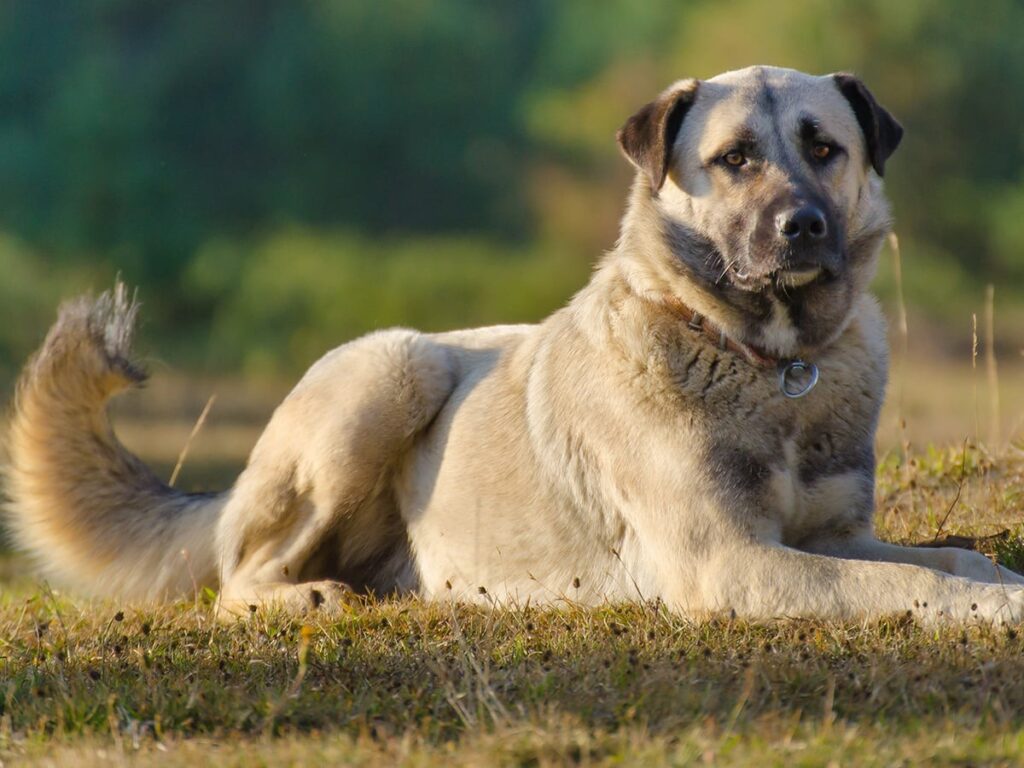
If you’re looking for a dog that’s not suited for apartment living, you might want to consider the Anatolian Shepherd Dog. This powerful and independent breed is not for everyone, but if you’re willing to provide the necessary care and attention, it can make a loyal and loving companion.
Origins of the Anatolian Shepherd Dog
The Anatolian Shepherd Dog, also known as the Anatolian Karabash or Kangal, is an ancient breed that originated in Turkey. Its ancestors date back to the time of the Tibet Mastiff, which was said to have accompanied even the great Genghis Khan on his conquests. The breed’s origins are shrouded in mystery, but it’s believed that the Anatolian Shepherd Dog was used as a guardian dog for sheep herds in the mountains of Turkey.
The breed is thought to have developed over thousands of years, with some historians tracing its roots back to the 16th century. During this time, the breed played an important role in protecting livestock from predators such as wolves and bears. The Anatolian Shepherd Dog’s reputation as a formidable guardian dog spread throughout the Middle East and Europe, earning it recognition as one of the oldest breeds of dog in existence.
Physical Characteristics
The Anatolian Shepherd Dog is a large and powerful breed, with an average height of 28-32 inches (70-80 cm) at the shoulder and a weight range of 50-64 kg (110-140 lbs). Its coat is short and dense, with a distinctive undercoat that gives it a thick and rugged appearance. The breed’s head is broad and flat, with a distinctive skull shape and a black nose. Its ears are triangular in shape and hang down to the side of the head.
The Anatolian Shepherd Dog’s size and strength make it an intimidating sight, but its short coat requires minimal grooming. The breed’s eyes are dark brown and expressive, with a keen intelligence that is evident in their piercing gaze. When standing or moving, the Anatolian Shepherd Dog exudes confidence and power, making it a commanding presence in any setting.
Personality and Temperament
The Anatolian Shepherd Dog is known for its strong and independent personality. While it’s not naturally aggressive, it can be wary of strangers and may defend itself if it feels threatened. However, with proper socialization and training, the breed can make a loyal and loving companion. It’s highly intelligent and trainable, but it can also be stubborn at times.
The Anatolian Shepherd Dog is a natural guardian dog, with an innate instinct to protect its territory and family. This trait makes it an excellent watchdog, as it will sound the alarm if it senses any potential danger. However, this same trait can make it wary of strangers, which may lead to initial reluctance in interacting with new people.
Temperament Testing
When considering bringing an Anatolian Shepherd Dog into your home, it’s essential to undergo temperament testing to ensure you’re prepared for its unique personality. This involves evaluating the dog’s behavior around people and other animals, as well as its ability to respond to commands and obey training.
The results of temperament testing will indicate whether or not the Anatolian Shepherd Dog is suitable for a particular household. If the test indicates that the breed may be too strong-willed or protective for a specific family, it’s crucial to carefully consider your decision before bringing an Anatolian Shepherd Dog into your home.
Exercise and Activity
The Anatolian Shepherd Dog requires regular exercise to maintain its physical health and mental well-being. Daily walks and playtime in a securely fenced area are essential, as the breed is prone to over-exertion if it doesn’t receive sufficient physical activity.
In addition to exercise, the Anatolian Shepherd Dog also needs mental stimulation to prevent boredom and destructive behavior. Engaging activities such as obedience training, agility training, or scent work can help satisfy its natural instincts and keep it mentally active.
Grooming
The Anatolian Shepherd Dog’s short coat requires minimal grooming, but regular brushing is necessary to remove loose hair and distribute skin oils evenly. Nail trimming and ear cleaning are also essential to maintain the breed’s overall health and hygiene.
Bathing the Anatolian Shepherd Dog should be done sparingly, as excessive bathing can strip its coat of its natural oils and lead to dryness and irritation. A gentle shampoo specifically formulated for short-coated breeds is recommended, with a bath frequency of no more than every 2-3 months.
Health
The Anatolian Shepherd Dog is generally a healthy breed, but like all breeds, it’s prone to certain health issues. Hip dysplasia, eye problems, and skin allergies are common issues that may arise in the breed. Regular veterinary check-ups and genetic testing can help identify potential health risks early on.
Hip dysplasia is a condition where the hip joint doesn’t form properly, leading to arthritis and mobility issues. Eye problems such as progressive retinal atrophy and cataracts require prompt attention from a veterinarian to prevent vision loss.
Conclusion
The Anatolian Shepherd Dog is a powerful and independent breed that requires proper care and attention. While it’s not suited for apartment living, it can make a loyal and loving companion for active families or individuals who are willing to provide the necessary exercise and training. With its rich history and unique characteristics, the Anatolian Shepherd Dog is definitely worth considering for anyone looking for a new furry friend.
Frequently Asked Questions
- Q: Is the Anatolian Shepherd Dog suitable for apartment living?
A: No, due to its large size and independent nature, the Anatolian Shepherd Dog is not suited for apartment living. - Q: How much exercise does an Anatolian Shepherd Dog need?
A: The Anatolian Shepherd Dog requires regular exercise, such as daily walks and playtime in a securely fenced area. - Q: Is the Anatolian Shepherd Dog easy to train?
A: While the breed is highly intelligent and trainable, it can also be stubborn at times. Consistent and patient training is recommended. - Q: How long does an Anatolian Shepherd Dog live?
A: The average lifespan of an Anatolian Shepherd Dog is 12-15 years. - Q: Can I leave my Anatolian Shepherd Dog alone for extended periods?
A: While the breed can be left alone, it’s recommended to provide regular exercise and mental stimulation to prevent boredom and destructive behavior. - Q: How often should I bathe my Anatolian Shepherd Dog?
A: The Anatolian Shepherd Dog requires regular grooming, including brushing and nail trimming, but does not need to be bathed frequently. - Q: Can Anatolian Shepherd Dogs get along with other pets?
A: While the breed can be wary of strangers, it can also get along well with other pets if socialized from an early age. - Q: Are there any health problems associated with the Anatolian Shepherd Dog?
A: Yes, the breed is prone to certain health issues, such as hip dysplasia and eye problems, which should be monitored by a veterinarian.
By understanding the unique characteristics of the Anatolian Shepherd Dog and its needs for exercise, training, and socialization, you can make an informed decision about whether or not this powerful and independent breed is right for your family.


