
As we navigate the complexities of the natural world, it’s easy to overlook the tiny creatures that call our planet home. However, one group of animals is facing an unprecedented threat: the amphibians. With their unique ability to thrive in both water and on land, these fascinating creatures are serving as a crucial indicator of the health of our environment.
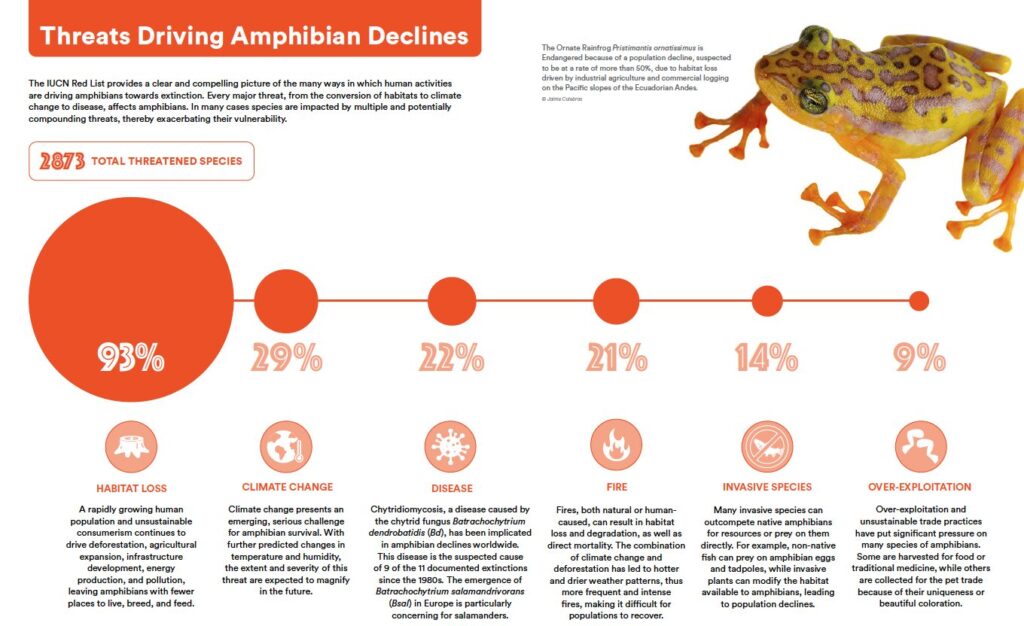
But alarming statistics suggest that many species of amphibians are rapidly disappearing. According to the International Union for Conservation of Nature (IUCN), around 20-30% of all amphibian species are at risk of extinction. The main culprits behind this decline? Human activities, specifically climate change, habitat destruction, and water pollution.
The Alarming Rate of Extinction
Gone are the days when we could take for granted the abundance of amphibians in our ecosystems. Today, these creatures are vanishing at an alarming rate. What was once a thriving population can now be reduced to just a few individuals, leaving behind a barren landscape devoid of life.
But why should we care? Why is the loss of these tiny creatures so significant? The answer lies in their role as indicators of environmental health. Amphibians are sensitive to changes in their surroundings, making them a barometer for the overall well-being of our planet.
The Human Impact
So, what’s driving this devastating decline? The answer is straightforward: human activities. Climate change, once thought to be a distant threat, has become an immediate reality. Rising temperatures, changing precipitation patterns, and increased frequency of extreme weather events are all taking a toll on amphibian populations.
But it’s not just climate change. Habitat destruction, largely caused by deforestation and urbanization, is another significant factor contributing to the decline of amphibian populations. The loss of natural habitats has left these creatures without a place to call home, forcing them to adapt to new environments that are often inhospitable.
The pH Problem
One lesser-known threat to amphibians is the changing pH levels in their aquatic environments. Industrial agriculture and acid rain have led to a significant increase in acidity, making it difficult for amphibians to survive. A pH level of 5 or lower can be fatal to these creatures, highlighting the urgent need for conservation efforts.
Radiazioni Ultraviolette: Another Silent Killer
Another insidious threat is the increasing presence of ultraviolet radiation in our environment. Prolonged exposure to UV rays can cause DNA damage, leading to reproductive issues and increased mortality rates among amphibians.
The Consequences of Inaction
So, what does this mean for us? As we continue to degrade our planet’s ecosystems, we risk losing entire species of amphibians forever. The consequences are far-reaching, impacting not only the natural world but also human societies that rely on these creatures for food, medicine, and recreation.
The Importance of Amphibian Habitats
Amphibian habitats are crucial for their survival, providing a safe haven from predators, competition for resources, and environmental stressors. However, habitat destruction has led to the loss of natural environments, forcing amphibians to adapt to new habitats that may not be suitable for them.
The Role of Amphibians in Ecosystems
Amphibians play a vital role in maintaining healthy ecosystems. They serve as both predators and prey, regulating insect populations and maintaining the balance of nutrient cycles. The loss of these creatures could have far-reaching consequences for entire food webs.
Conservation Efforts: A Glimmer of Hope
While the situation seems dire, there is hope. Conservation efforts are underway to protect amphibian habitats, reduce pollution, and mitigate the effects of climate change. Governments, organizations, and individuals are working together to preserve these incredible creatures.
Personal Actions: Making a Difference
But what can we do? Every small action counts, and collective efforts can lead to significant positive change. Here are some simple actions you can take:
- Reduce your carbon footprint by using public transportation, carpooling, or driving electric vehicles.
- Support conservation efforts by donating to reputable organizations or volunteering for local projects.
- Plant native vegetation in your garden to create habitats for amphibians.
- Reduce water pollution by using eco-friendly cleaning products and reducing your use of chemicals.
Innovative Solutions: Technology and Community Engagement
Technology is playing a crucial role in the fight against amphibian extinction. Innovative solutions such as:
- Citizen science projects, where volunteers contribute to monitoring programs and data collection.
- Conservation apps that provide real-time information on habitat health and amphibian populations.
- Online platforms for connecting with conservationists and sharing knowledge.
Community Engagement: Building Support
Building a community of supporters is essential for driving change. By engaging with local communities, organizations, and governments, we can raise awareness about the plight of amphibians and mobilize action.
The Future of Amphibian Conservation
As we move forward, it’s clear that our actions will have a direct impact on the future of these incredible creatures. We must work together to protect their habitats, reduce pollution, and mitigate the effects of climate change.
In conclusion, the fate of the amphibians serves as a stark reminder of our responsibility towards the planet’s ecosystems. It’s time for us to take action, to recognize the interconnectedness of all living beings and to work towards preserving the delicate balance of nature.
Frequently Asked Questions
Q: What are some of the main causes of amphibian extinction?
A: Climate change, habitat destruction, water pollution, and acid rain are all significant contributors to the decline of amphibian populations.
Q: How many species of amphibians are at risk of extinction?
A: According to the IUCN, around 20-30% of all amphibian species are at risk of extinction.
Q: What role do amphibians play in indicating environmental health?
A: Amphibians serve as indicators of environmental health due to their sensitivity to changes in their surroundings.
Q: How can we mitigate the effects of climate change on amphibian populations?
A: Reducing greenhouse gas emissions, protecting natural habitats, and promoting sustainable land use practices are all essential steps towards mitigating the impacts of climate change.
Q: What are some simple actions we can take to help protect amphibians?
A: Reduce your carbon footprint by using public transportation, carpooling, or driving electric vehicles. Support conservation efforts by donating to reputable organizations or volunteering for local projects.
Q: Can individual actions really make a difference in the fight against amphibian extinction?
A: Absolutely! Every small action counts, and collective efforts can lead to significant positive change.
Q: What’s the biggest threat facing amphibian populations today?
A: Climate change is one of the primary drivers of amphibian decline, with rising temperatures, changing precipitation patterns, and increased frequency of extreme weather events all taking a toll on these creatures.
Q: Can we still save the remaining species of amphibians?
A: While it’s uncertain whether some species will survive, concerted conservation efforts can help preserve many others. It’s crucial to act now to ensure the long-term health of our planet’s ecosystems.


