
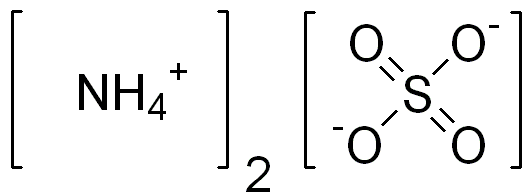
As a farmer, gardener, or simply someone interested in agriculture, it’s essential to understand the benefits and uses of ammonium sulfate (NH4)2SO4. In this article, we’ll delve into the world of solfato di ammonio, exploring its chemical composition, applications, advantages, and how to use it effectively.
What is Ammonium Sulfate?
Ammonium sulfate is a salt produced through a direct reaction between sulfuric acid (H2SO4) and ammonia (NH3). The chemical formula for ammonium sulfate is (NH4)2SO4. This compound consists of nitrogen (N), hydrogen (H), sulfur (S), and oxygen (O).
Production and Chemical Reaction
The production of ammonium sulfate involves a simple reaction between sulfuric acid and ammonia:
H2SO4 + 2 NH3 → (NH4)2SO4
In this reaction, the two reagents – sulfuric acid in liquid form and ammonia in gaseous form – combine to produce a solid molecule of ammonium sulfate.
Agricultural Applications
Ammonium sulfate is widely used as a fertilizer in agriculture, particularly for crops that require nitrogen. It’s often applied to soils with high pH levels or calcareous soils, where the pH needs to be lowered. By releasing ammonia, the soil becomes more acidic, which helps plants absorb essential nutrients.
Some key benefits of using ammonium sulfate as a fertilizer include:
- Providing nitrogen (21.33%) for plant growth
- Acting as an acidifier, promoting humus formation and fertile soil development
- Offering long-term benefits for calcareous soils and treating alkaline soils
- Possessing antiparassitic properties
How to Use Ammonium Sulfate
To get the most out of ammonium sulfate, it’s essential to use it correctly:
- Apply it during the vegetative growth stage or before soil preparation.
- Distribute the fertilizer evenly over the soil surface using a spreader or manual application.
- Avoid applying it when the soil is wet, as this can lead to burning plant leaves and fruits.
Additional Benefits
In addition to its agricultural applications, ammonium sulfate has other uses:
- As an acidifier for treating soils with high pH levels
- For promoting humus formation and improving fertile soil development
Uses in Horticulture
Ammonium sulfate is also used in horticulture to promote plant growth and improve fruit quality. In greenhouses, it’s often applied as a foliar spray or incorporated into potting mixes to provide essential nutrients.
Some benefits of using ammonium sulfate in horticulture include:
- Promoting healthy root development
- Improving nutrient uptake
- Enhancing fruit quality
Uses in Animal Nutrition
Ammonium sulfate is also used in animal nutrition as a source of nitrogen and sulfur. It’s often added to poultry feed and cattle rations to promote growth and improve overall health.
Some benefits of using ammonium sulfate in animal nutrition include:
- Providing essential nutrients for plant growth
- Improving animal health and productivity
Uses in Industrial Applications
Ammonium sulfate has a range of industrial applications, including the production of dyes, pigments, and other chemicals. It’s also used as an acidifying agent in paper production and in the treatment of wastewater.
Some benefits of using ammonium sulfate in industrial applications include:
- Providing essential nutrients for plant growth
- Improving animal health and productivity
Environmental Impact
Ammonium sulfate can have both positive and negative environmental impacts. On the one hand, it provides essential nutrients for plant growth and can help reduce soil pH levels. On the other hand, excessive use of ammonium sulfate can lead to water pollution and soil degradation.
Some tips for minimizing the environmental impact of ammonium sulfate include:
- Using it in moderation
- Applying it to specific areas or crops
- Choosing an environmentally friendly formulation
Q\&A
Here are some frequently asked questions about ammonium sulfate:
- What is the recommended dosage for ammonium sulfate?
- The recommended dosage varies depending on the specific product and soil type. However, a general guideline is to apply 5-8 kg of ammonium sulfate per 150 square meters of land.
- Can I use ammonium sulfate as a substitute for other fertilizers?
- While ammonium sulfate can provide essential nutrients, it’s not always a suitable replacement for other fertilizers. Consult with a farming or gardening expert to determine the best fertilizer for your specific needs.
- Is it safe to handle ammonium sulfate?
- Ammonium sulfate is generally considered safe when handled properly. However, avoid inhaling its vapors or getting it on skin, as this can cause irritation and other health issues.
By understanding the benefits and uses of ammonium sulfate, you can make informed decisions about your farming or gardening practices.


