
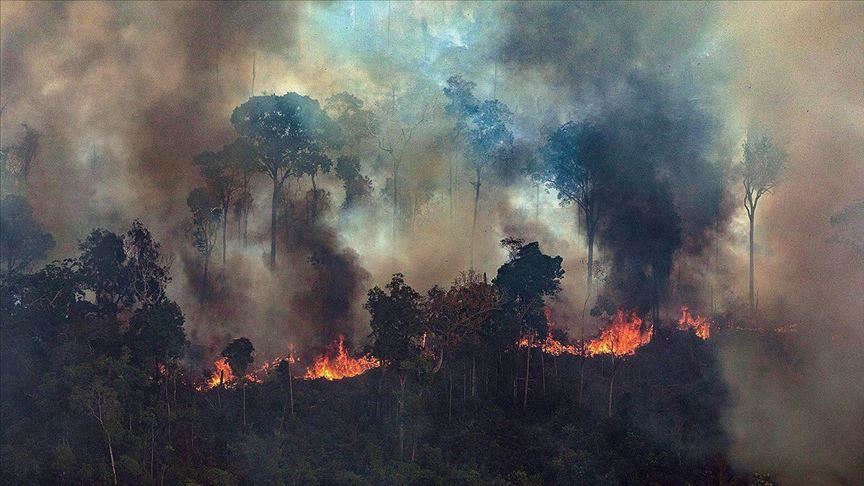
As the summer of 2019 drew to a close, it will be remembered for its scorching temperatures and unprecedented wildfires that ravaged the planet, even reaching remote polar regions. The Amazon rainforest, our “lungs,” was next in line for destruction.
The rise of wildfires in the Amazon is a pressing concern that demands immediate attention from governments, organizations, and individuals worldwide. In this article, we will delve into the causes of the surge in wildfires, the role of President Jair Bolsonaro, and the global reaction to the crisis. We will also explore the politics of denial surrounding environmental issues in Brazil and the long-term consequences of the Amazon’s destruction.
The Rise of Wildfires in the Amazon
Data from Brazil’s National Institute for Space Research (INPE) revealed an unprecedented surge in wildfires between January and August 2019. A staggering 72,000 fires were recorded, up from 40,000 in 2018 – an increase of 83%. During this period, the Amazon was in its dry season, spanning June to November. However, most of these devastating blazes were intentionally set by individuals, such as ranchers seeking pastureland and farmers looking to expand agricultural land.
The data also showed that the majority of the fires were located in the states of Mato Grosso and Pará, which are among the top three states with the highest rates of deforestation in Brazil. The increase in wildfires is a clear indication of the growing pressure on the Amazon’s fragile ecosystem, which has been exacerbated by decades of government policies that prioritize economic growth over environmental protection.
The Role of President Jair Bolsonaro
Behind the alarming increase in wildfires and deforestation lies Brazil’s President Jair Bolsonaro, who supports an economic development agenda that prioritizes agribusiness over environmental protection. Since taking office, deforestation and wildfires have escalated dramatically, breaking every record.
In July alone, 1,345 square kilometers of forest were cleared at a rate of 278% higher than the previous year. This translates to three football fields being consumed by fire every minute. The President’s stance on environmental issues has long been contentious, but his refusal to take decisive action against deforestation and wildfires has sparked widespread criticism.
In an attempt to downplay the crisis, Bolsonaro has repeatedly claimed that the Amazon is not as vulnerable as he has been made out to be. He has also sought to shift blame for the situation onto foreign powers, including China and the European Union, which he accuses of pressuring Brazil to adopt more stringent environmental regulations.
Global Reaction
As the Amazon continued to burn without respite, the world took notice. International leaders, individuals, and organizations weighed in on the tragedy, with some calling for urgent action from the G7.
French President Emmanuel Macron publicly expressed alarm about the crisis, urging the G7 to include it on their agenda at an upcoming summit in Biarritz. He also accused Bolsonaro of ignoring the situation, stating that “the Amazon is not just a Brazilian forest, but a global priority.”
Bolsonaro responded by criticizing Macron’s approach, labeling him as a “colonialist” and accusing him of sensationalism. The President also attempted to deflect attention from his own administration’s role in exacerbating the crisis, claiming that the wildfires were primarily caused by external factors such as climate change.
G7 Aid
The G7 ultimately agreed to provide $20 million in funding for firefighting efforts via Canadair planes. However, Brazil refused the offer, with President Bolsonaro stating that funds would be more useful for reforestation projects in Europe.
This decision was met with surprise and criticism, particularly given that Environment Minister Ricardo Salles had earlier expressed support for G7 aid. The refusal to accept international assistance has raised questions about Brazil’s commitment to addressing its environmental crisis.
The Politics of Denial
While Bolsonaro’s stance on environmental issues has long been contentious, the refusal to accept international aid takes on new significance in the face of devastating wildfires. It is unclear what drove this decision, but it is clear that the Amazon will continue to bear the brunt of climate change and biodiversity loss.
The politics of denial surrounding environmental issues in Brazil are complex and multifaceted. Many Brazilians believe that their country’s economy is not compatible with environmental protection, and that development must come at the expense of preserving natural habitats.
However, this argument ignores the long-term consequences of deforestation and wildfires on the Amazon’s ecosystem services and global climate regulation. The devastating impact of these fires will be felt far beyond Brazil’s borders, exacerbating greenhouse gas levels and threatening food security worldwide.
The Bigger Picture
The Amazon’s fate serves as a stark reminder of the importance of environmental protection and sustainable development. As the world grapples with rising temperatures and carbon emissions, it becomes increasingly clear that our actions have consequences far beyond national borders.
The tragedy unfolding in the Amazon is a poignant warning about the devastating impact of human activities on our planet. It highlights the need for immediate action to address deforestation, wildfires, and climate change, and underscores the importance of international cooperation in addressing these global challenges.
FAQs
- What triggered the surge in wildfires in the Amazon?
a combination of factors, including drought, land speculation, and policies supporting agricultural expansion. - How much funding did the G7 offer to support firefighting efforts in the Amazon?
$20 million via Canadair planes. - Why did Brazil refuse G7 aid for combating wildfires?
Funds would be more useful for reforestation projects in Europe, according to President Bolsonaro’s statement. - Who has been critical of President Bolsonaro’s stance on environmental issues?
Many international leaders, including French President Emmanuel Macron. - What is the estimated impact of the Amazon wildfires on global carbon emissions?
The exact figure is difficult to quantify, but it is clear that the situation will contribute to increased greenhouse gas levels. - How does the Amazon support global climate regulation?
As the “lungs” of our planet, the Amazon plays a critical role in regulating CO2 levels through photosynthesis and other natural processes. - What can individuals do to help mitigate the effects of deforestation and wildfires?
Support organizations working on reforestation projects, reduce carbon emissions through sustainable living practices, and advocate for environmental policies that prioritize sustainability over economic growth. - How will the long-term consequences of the Amazon wildfires affect global ecosystems?
The destruction of the Amazon’s unique biodiversity and ecosystem services will have far-reaching impacts on regional climate regulation, water cycles, and global food security.
Conclusion
The Amazon wildfires represent a watershed moment in the fight against environmental degradation and climate change. As we move forward, it is essential that we recognize the interconnectedness of our planet’s ecosystems and take immediate action to address the root causes of these devastating fires.
Brazil’s refusal to accept international aid for combating wildfires is a stark reminder of the country’s ongoing commitment to environmental destruction. However, this crisis also offers an opportunity for Brazil and other countries to come together in a global effort to protect the Amazon and preserve its role as a critical component of our planet’s ecosystem services.
The future of the Amazon and our planet hangs in the balance, and it is up to us to take decisive action to address these pressing issues. We must work together to ensure that our actions prioritize sustainability over economic growth and recognize the long-term consequences of environmental degradation on our planet’s ecosystems.


