
Introduction
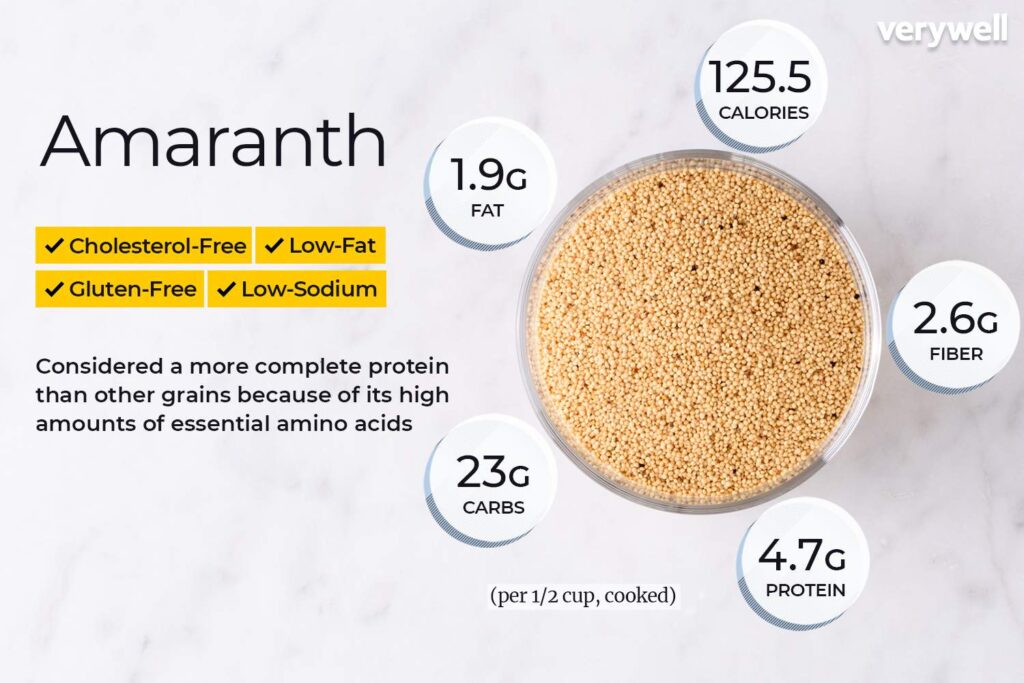
Amaranth, a green leafy herb with elongated inflorescences of a vibrant yellow color, is renowned for its exceptional nutritional properties, particularly at the level of protein. Moreover, it is highly digestible and nutritious. In commercial markets, Amaranthus Caudatus seeds are widely available in health food stores and organic grocery stores. For centuries, amaranth has been used by various cultures around the world as a staple crop, and its nutritional benefits have been recognized by many societies.
Understanding Amaranth
It’s essential to note that amaranth is not a cereal, despite its traditional use and appearance. Cereals belong to the Graminaceae family, whereas amaranth belongs to a different botanical species. This distinction highlights the importance of understanding the differences between various foods, particularly when it comes to nutrition and health benefits.
Amaranth: A Nutrient-Dense Food
Amaranth is an excellent source of calcium, with three times the amount found in cereals. It also contains moderate amounts of iron, magnesium, phosphorus, potassium, and vitamins, including vitamin C, which is not present in cereals. These nutrients make amaranth a valuable addition to a balanced diet.
Three Key Benefits of Amaranth
- High Protein Content: Amaranth is one of the few plant-based sources with a high protein content. The proteins in amaranth contain the amino acid lysine, which is scarce in cereals. Lysine is essential for growth and development, making amaranth an excellent option for vegetarians and vegans.
- Cholesterol Reduction: A 1996 study conducted by the U.S. Department of Agriculture – Madison (WI) demonstrated that the oil present in amaranth seeds has the ability to significantly reduce total and LDL cholesterol levels in animal subjects. This finding suggests that incorporating amaranth into one’s diet may be beneficial for heart health.
- Gluten-Free Alternative: As amaranth is gluten-free, it serves as a viable alternative for those who suffer from celiac disease or prefer a gluten-free diet. Gluten intolerance and sensitivity are becoming increasingly common, making it essential to have alternatives like amaranth.
Using Amaranth
Amaranth seeds can be used to add flavor to bread dough, similar to sesame seeds. They can also be popped like popcorn and cooked in water (or broth, milk, etc.) to create soups, croquettes, and puddings. The versatility of amaranth makes it an excellent ingredient for a variety of dishes.
Nutritional Profile
Amaranth is rich in several essential nutrients, including:
- Calcium: 3 times the amount found in cereals
- Iron: Moderate amounts
- Magnesium: Moderate amounts
- Phosphorus: Moderate amounts
- Potassium: Moderate amounts
- Vitamin C: Not present in cereals
- Protein: High content, particularly lysine
Health Benefits
The nutritional profile of amaranth provides numerous health benefits, including:
- Improved bone health due to high calcium content
- Reduced risk of osteoporosis
- Lower cholesterol levels
- Support for heart health
- Gluten-free alternative for those with gluten intolerance or sensitivity
- High protein content for vegetarians and vegans
Conclusion
Incorporating amaranth into your diet can have numerous benefits for your health. As a nutrient-rich superfood, it offers a range of advantages that make it an excellent addition to a balanced diet.
Frequently Asked Questions (FAQs)
- Q: Is amaranth suitable for vegans?
A: Yes, amaranth is a great option for vegans due to its high nutritional value and protein content. - Q: Can amaranth be used as a gluten-free alternative in baking?
A: Yes, amaranth can be used as a gluten-free substitute in baked goods, such as bread and pastries. - Q: What are the health benefits of consuming calcium-rich foods like amaranth?
A: Consuming calcium-rich foods like amaranth can help support bone health and reduce the risk of osteoporosis. - Q: How does amaranth’s protein content compare to other plant-based sources?
A: Amaranth’s protein content is comparable to that of animal-based sources, making it an excellent option for vegetarians and vegans. - Q: Can amaranth be used as a cholesterol-reducing agent in cooking?
A: While amaranth oil has been shown to reduce cholesterol levels in animal subjects, its effectiveness in humans is still unclear. - Q: How do I incorporate amaranth into my diet?
A: You can use amaranth seeds in place of sesame seeds in bread dough or pop them like popcorn as a snack. - Q: Can amaranth be used to make vegan-friendly breakfast dishes?
A: Yes, amaranth can be used to make delicious and nutritious breakfast dishes, such as puddings and soups. - Q: Are there any potential side effects or allergies associated with consuming amaranth?
A: While amaranth is generally considered safe for consumption, individuals with allergies or sensitivities should consult a healthcare professional before incorporating it into their diet.
Additional Tips
- When purchasing amaranth seeds, choose whole grains and check the expiration date.
- Store amaranth seeds in an airtight container to maintain freshness.
- Cook amaranth properly by boiling or steaming to prevent nutrient loss.
- Experiment with different recipes and flavors to incorporate amaranth into your diet.
By understanding the benefits of amaranth and incorporating it into your diet, you can reap its rewards and enjoy improved overall health.


