
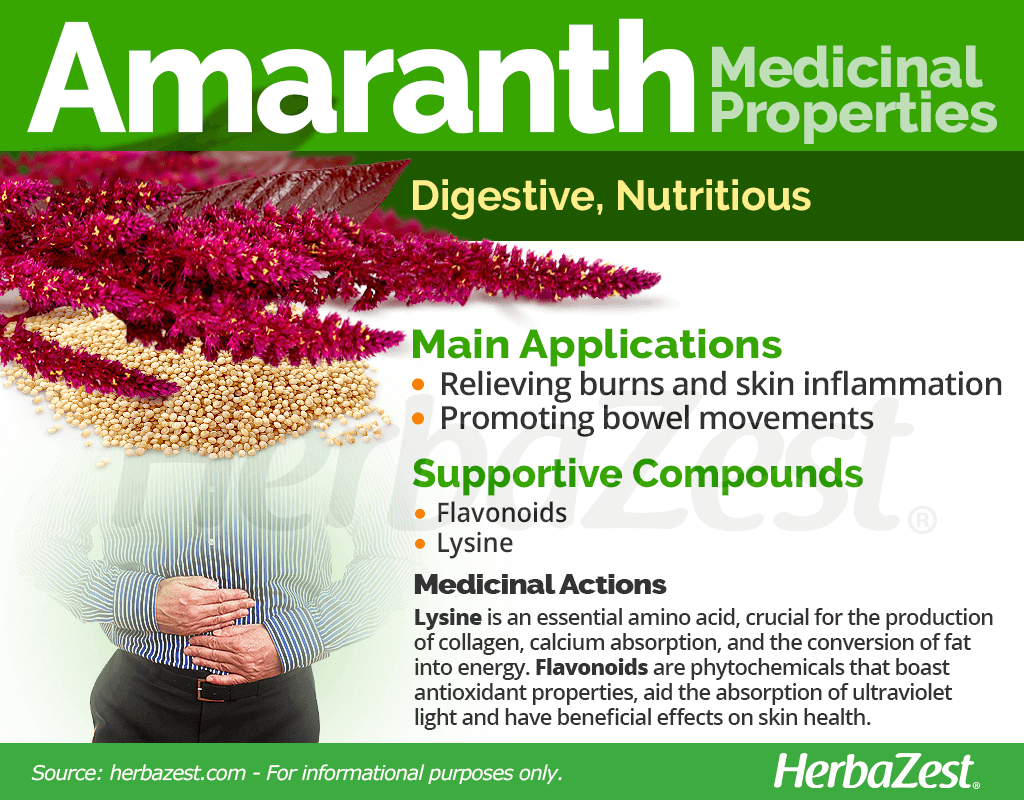
Amaranth, the “mother grain” of ancient civilizations, has been a staple in Italian cuisine for centuries. This superfood is packed with numerous health benefits, making it a perfect addition to any diet. In this article, we will delve into the properties and uses of amaranth, exploring its nutritional value, culinary versatility, and more.
Amaranth: The Nutrient-Dense Grain
Amaranth is an excellent source of protein, containing all nine essential amino acids that our bodies need. One of these amino acids, lysine, is particularly important for calcium absorption and bone health. Lysine is also a key component of keratin, the protein that makes up hair, skin, and nails.
In addition to its high protein content, amaranth is rich in dietary fiber, which plays a crucial role in maintaining healthy digestion. The fiber in amaranth helps prevent constipation by increasing stool mass and reducing transit time through the digestive system. Regular consumption of amaranth can also aid in weight management, as the fiber content fills you up without adding calories.
Minerals and Micronutrients
Amaranth is a good source of several minerals, including iron (11mg/100g), calcium (490mg/100g), phosphorus (470mg/100g), magnesium, arginine, alanine, serine, glutamic acid, and aspartic acid. These micronutrients are essential for maintaining healthy red blood cells, bones, and energy production.
The high mineral content of amaranth makes it an excellent option for individuals looking to reduce their sodium intake. Amaranth is also rich in antioxidants, which help protect the body from oxidative stress and inflammation.
Gluten-Free and Suitable for All
One of the most significant benefits of amaranth is its gluten-free status. This makes it an excellent option for individuals with celiac disease or non-celiac gluten sensitivity. In addition, amaranth can be used as a substitute for traditional flours to make delicious bread and baked goods.
The History of Amaranth
Amaranth has been cultivated for over 8,000 years, making it one of the oldest domesticated grains in the world. The ancient Aztecs and Incas revered amaranth as a sacred crop, using its seeds, leaves, and stems in various ways.
In Italy, amaranth was used to make bread, porridge, and even beer. However, with the introduction of wheat flour, amaranth fell out of favor and was largely forgotten.
Where to Find Amaranth
Amaranth is widely available in health food stores, organic markets, and some specialty grocery stores. You can purchase it by the kilogram or in smaller quantities, depending on your needs.
In addition to purchasing pre-packaged amaranth, you can also grow it at home. Amaranth is a warm-season crop that thrives in well-drained soil and full sun.
Cooking with Amaranth: Tips and Techniques
When cooking with amaranth, it’s essential to note that it can be gelatinous when boiled. To avoid this texture, you can try cooking it with other grains like quinoa or brown rice (15-20% ratio). Another method is to toast the kernels in a pan with oil until crispy.
You can also use amaranth as a crunchy topping for salads, soups, and other dishes. Simply toss cooked amaranth with olive oil, salt, and your choice of seasonings, then top with your favorite ingredients.
Amaranth Oil: A Rich Source of Omega-3s
The oil extracted from amaranth seeds is rich in alpha-linolenic acid (ALA), an essential omega-3 fatty acid for heart health and brain function. ALA plays a critical role in reducing inflammation, improving cognitive function, and supporting overall well-being.
Amaranth oil can be used as a finishing oil for salads, sautéed vegetables, or roasted meats. It’s also an excellent addition to smoothies and other beverages.
Nutritional Comparison: Amaranth vs. Other Grains
When comparing amaranth to other grains, it becomes clear why it stands out as one of the healthiest options available. Here are some key nutritional comparisons:
- Protein content: Amaranth (10g/100g) > Quinoa (8g/100g) > Brown rice (5g/100g)
- Fiber content: Amaranth (6g/100g) > Quinoa (4g/100g) > Brown rice (3g/100g)
- Iron content: Amaranth (11mg/100g) > Spinach (10mg/100g) > Quinoa (2mg/100g)
Health Benefits of Amaranth
Amaranth has been shown to have numerous health benefits, including:
- Improved digestion and bowel regularity
- Weight management and reduced body fat
- Enhanced bone health and density
- Reduced inflammation and oxidative stress
- Improved immune function and reduced risk of chronic diseases
In addition to its impressive nutritional profile, amaranth has also been found to have potential anti-cancer properties.
Culinary Uses: Amaranth in Recipes
Amaranth is a versatile grain that can be used in a variety of dishes. Here are some popular culinary uses for amaranth:
- Salads: Toss cooked amaranth with olive oil, salt, and your choice of seasonings, then top with your favorite ingredients.
- Soups: Add cooked amaranth to soups like minestrone or creamy soups for added nutrition and texture.
- Baked goods: Substitute amaranth flour for traditional flours to make gluten-free baked goods.
- Breakfast dishes: Cook amaranth with milk or yogurt, then top with fresh fruit and nuts.
Conclusion: Unlocking the Power of Amaranth
In conclusion, amaranth is a nutritional powerhouse that offers numerous health benefits, culinary versatility, and environmental sustainability. By incorporating amaranth into your diet, you can experience improved digestion, weight management, and energy production. Whether you’re looking for gluten-free options or simply seeking to expand your culinary repertoire, amaranth is an excellent choice.
Frequently Asked Questions
- What are the benefits of consuming amaranth?
Amaranth is rich in protein, fiber, minerals, and micronutrients, making it an excellent addition to a healthy diet. - Is amaranth gluten-free?
Yes, amaranth is naturally gluten-free, making it suitable for individuals with celiac disease or non-celiac gluten sensitivity. - Where can I find amaranth?
Amaranth is widely available in health food stores, organic markets, and some specialty grocery stores. - How do I cook amaranth?
To avoid a gelatinous texture, try cooking it with other grains or toasting the kernels in a pan with oil. - What are the nutritional benefits of amaranth oil?
Amaranth oil is rich in alpha-linolenic acid (ALA), an essential omega-3 fatty acid for heart health and brain function. - Can I substitute amaranth flour for traditional flours?
Yes, amaranth flour can be used as a substitute for traditional flours to make gluten-free baked goods. - Is amaranth high in calories?
No, amaranth is low in calories and rich in fiber, making it an excellent choice for weight management. - Can I use amaranth as a breakfast cereal?
Yes, amaranth can be used as a nutritious and filling breakfast cereal when cooked with milk or yogurt.
Additional Tips and Resources
- When purchasing pre-packaged amaranth, look for products that are labeled “organic” or “non-GMO.”
- Consider growing your own amaranth at home to reduce costs and increase availability.
- Experiment with different recipes and cooking methods to find your favorite ways to prepare amaranth.
By incorporating amaranth into your diet, you can experience a range of health benefits and culinary delights. Whether you’re looking for gluten-free options or simply seeking to expand your culinary repertoire, amaranth is an excellent choice.


