
Understanding and Cultivating the Alyssum Flower: A Guide to its Characteristics, Care, and Uses
The Alyssum flower is known for its calming effects, but few people are aware of its rich history and unique characteristics. This article aims to educate readers on the basics of cultivating the Alyssum plant, exploring its uses in garden design, and discussing common issues that may arise during care.
What is Alyssum?
The term “Alyssum” comes from the Greek word meaning “without rage.” The flower’s history dates back thousands of years, with ancient Greeks using it for medicinal purposes. Today, Alyssum is widely recognized as a low-maintenance, adaptable plant that thrives in various environments.
Characteristics and Care
- Foliage: The Alyssum plant has fine, delicate leaves that provide shade and support for its white or yellow flowers.
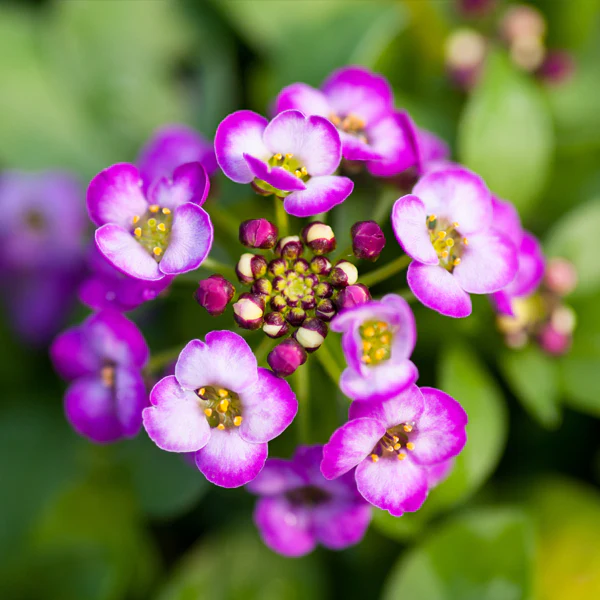
- Flowers: These small, star-shaped blooms are often used as a decorative accent in gardens, adding color and fragrance to the area.
- Color Variations: Alyssum comes in various shades of white and yellow, with some varieties displaying pink or purple hues.
- Sunlight: This plant requires at least four hours of direct sunlight per day to maintain its vibrant color palette.
Common Issues and Solutions
Alyssum is generally a hardy plant that can tolerate minor mistakes. However, several common issues can arise, affecting its health and longevity:
- Pests: Aphids and whiteflies are common pests that target the Alyssum plant. Regularly inspecting the leaves and addressing any issues promptly can prevent infestations.
- Diseases: Fungal diseases like powdery mildew can affect the plant. Removing infected areas, improving air circulation, and using fungicides can help mitigate these issues.
- Watering: Overwatering can lead to root rot, so it’s essential to check soil moisture before watering.
Cultivation Methods
Alyssum is a versatile plant that can be grown in various environments. Here are some cultivation methods to consider:
- Planting: Alyssum prefers well-draining soil, making it suitable for containers or raised beds. Space plants about 6-12 inches apart to allow for proper growth.
- Propagation: Divide the plant in spring or summer to create new clumps, ensuring a continuous supply of flowers.
- Mulching: Mulch around the base of the plant to retain moisture and suppress weeds.
Tips for Optimal Growth
To ensure your Alyssum plant thrives, follow these tips:
- Plant Alyssum after the last frost date for optimal results.
- Avoid pruning during flowering periods as this can reduce yields.
- Divide clumps regularly to prevent overcrowding and promote healthy growth.
By following these guidelines, you’ll be well on your way to cultivating a thriving Alyssum plant that brings joy and serenity to any space.
Frequently Asked Questions
- How often should I water my Alyssum plant?
- Check soil moisture before watering, avoiding overwatering.
- What pests are commonly found on the Alyssum plant?
- Regularly inspect for aphids, whiteflies, and other pests, addressing issues promptly.
- Can I propagate the Alyssum plant through seed?
- No, Alyssum is typically propagated by dividing the clump or using stem cuttings.
By providing your Alyssum plant with proper care and attention, you can enjoy its beauty and fragrance for years to come.
What’s next?
Stay up-to-date on the latest gardening tips and tricks by following us on Twitter, Facebook, and Instagram.


