
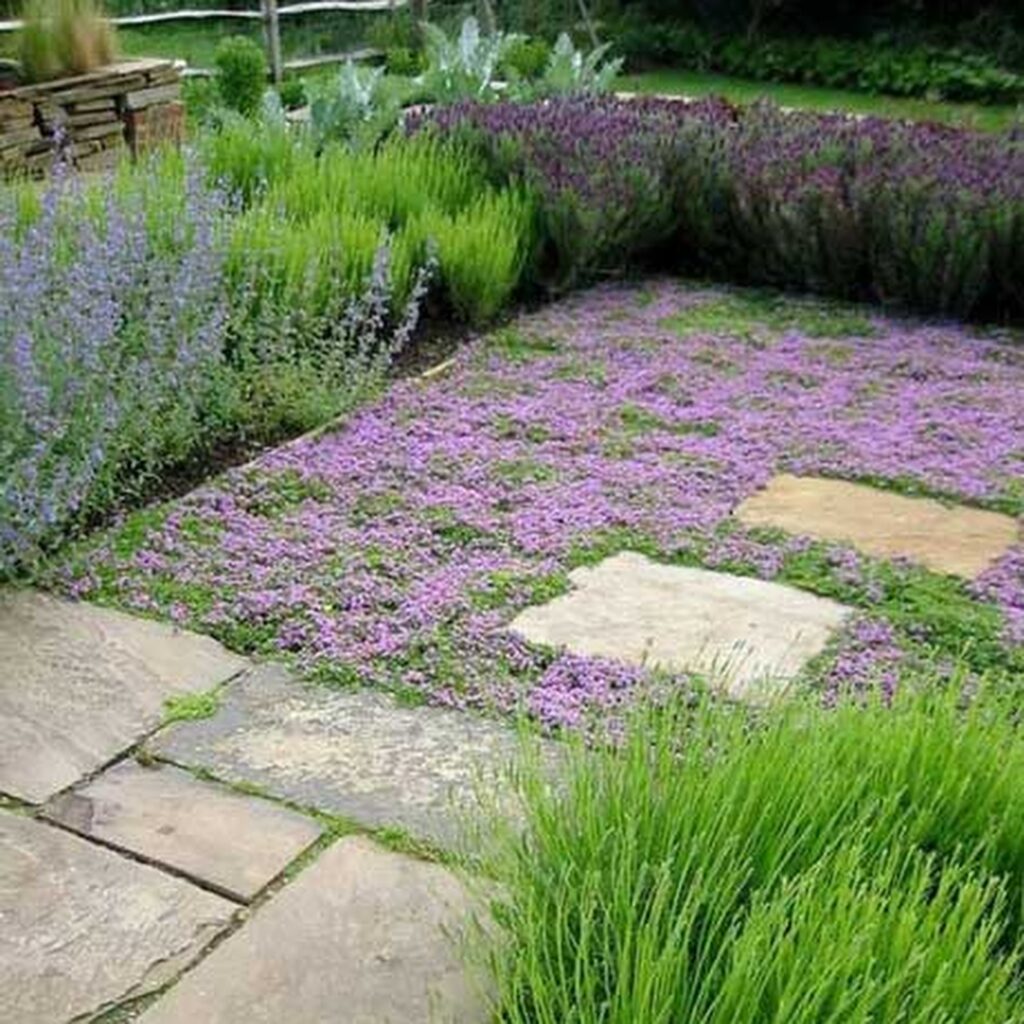
As a homeowner, you’re likely no stranger to the joys and pains of maintaining a traditional lawn. While it’s a classic choice for gardens, there are some downsides to consider – from constant watering to expensive fertilizers. If you’re looking for alternatives to lawn that are low-maintenance, functional, and visually appealing, you’ve come to the right place.
Why Choose Alternatives to Lawn?
Before we dive into the world of alternatives to lawn, let’s talk about why they’re worth considering in the first place. Here are a few compelling reasons:
- Low Maintenance: Unlike traditional lawns, which require regular mowing, watering, and fertilizing, many alternative options are designed to be low-maintenance and easy to care for.
- Functional Uses: Alternatives to lawn can serve multiple purposes, such as creating outdoor spaces for dining, playing, or relaxing.
- Aesthetic Appeal: With so many styles and materials available, there’s an alternative to lawn that can enhance the beauty of your garden.
Material Options for Alternative Lawns
Here are some popular material options for creating alternative lawns:
1. Pavers
Pavers are a great option for creating functional outdoor spaces. They come in a variety of materials, including stone, brick, and concrete, and can be arranged to create beautiful patterns and designs.
Benefits of Pavers
- Durable and long-lasting
- Can be installed on sloping or uneven terrain
- Low maintenance
2. Decking
If you’re looking for an alternative that’s easy to install and maintain, decking is a great option. Made from materials like wood, composite, or metal, decking creates a seamless transition between indoors and outdoors.
Benefits of Decking
- Easy to install
- Can be used for both dining and relaxation areas
- Versatile in terms of material options
3. Artificial Turf
Artificial turf is a popular choice for those who want the look and feel of grass without the maintenance. It’s perfect for high-traffic areas and can be used in a variety of settings, from residential backyards to commercial spaces.
Benefits of Artificial Turf
- Low maintenance
- Can withstand heavy foot traffic
- Easy to clean
4. Gravel or Decomposed Granite (DG)
For a more rustic look, consider using gravel or DG as an alternative to lawn. These materials are easy to install and require minimal maintenance, making them perfect for busy homeowners.
Benefits of Gravel or DG
- Low maintenance
- Can be used in areas with poor drainage
- Attractive, natural appearance
5. Poured Concrete
If you want a sleek, modern look, poured concrete is the way to go. This material can be stained or painted to create unique patterns and designs that add visual interest to your garden.
Benefits of Poured Concrete
- Durable and long-lasting
- Can be used for both functional and decorative purposes
- Versatile in terms of color options
Benefits of Alternatives to Lawn
Here are some benefits of choosing alternatives to lawn:
- Increased Property Value: By installing alternative lawns, you can increase the value of your property.
- Improved Curb Appeal: Beautifully designed gardens can boost your home’s curb appeal and make it more attractive to potential buyers.
- Reduced Maintenance Costs: Many alternative lawns require less maintenance than traditional lawns, saving you money in the long run.
Tips for Choosing the Right Alternative Lawn Material
Here are some tips for choosing the right alternative lawn material:
- Consider Your Climate: Choose materials that are suitable for your local climate and weather conditions.
- Think About Functionality: Consider how you’ll be using the area and choose materials accordingly (e.g., pavers for patios, decking for outdoor dining).
- Budget Wisely: Set a budget before making your final decision to ensure you stay within your means.
Common Challenges and Solutions
Here are some common challenges you may face when creating an alternative lawn:
Q: Will my alternative lawn look like grass?
A: Many alternatives to lawn can be designed to mimic the appearance of grass, using materials like artificial turf or poured concrete. However, if you’re looking for a more natural look, consider using gravel or DG.
Q: How much will it cost to install an alternative lawn?
A: The cost of installing an alternative lawn can vary widely depending on the material and size of the area. Research your options carefully and set a budget before making your final decision.
Maintenance Tips for Alternative Lawns
Here are some tips for maintaining your alternative lawn:
- Regular Inspections: Regularly inspect your alternative lawn to identify any issues or problems.
- Cleaning: Clean your alternative lawn regularly to remove debris and maintain its appearance.
- Seasonal Maintenance: Perform seasonal maintenance tasks, such as sealing pavers or re-grading decking.
Conclusion
Alternatives to lawn are a great way to create functional, low-maintenance outdoor spaces that enhance the beauty of your garden. With so many material options available, there’s an alternative to lawn that suits your needs and style. By considering factors like climate, functionality, and budget, you can choose the perfect material for your next gardening project.
Frequently Asked Questions
Q: What are some benefits of choosing alternatives to lawn?
- Increased property value
- Improved curb appeal
- Reduced maintenance costs


