
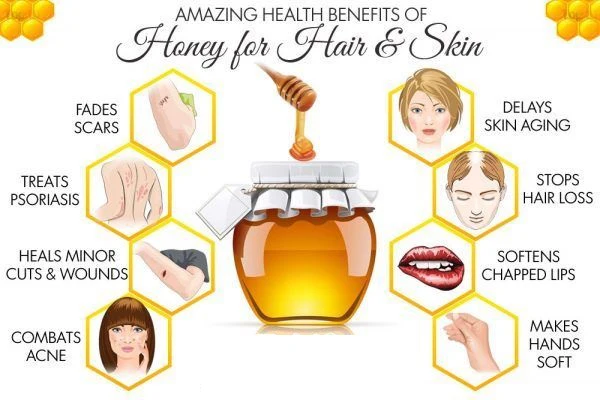
Honey has been a staple in our diets for centuries, but its benefits extend far beyond the kitchen. With its unique properties, honey can be used as a natural remedy for various beauty and health issues. In this article, we’ll delve into the world of honey alternatives, exploring its uses, benefits, and how to incorporate it into your daily life.
Understanding Honey’s Properties
Honey is renowned for its antibacterial, antifungal, and moisturizing properties. Its unique composition, consisting of glucose, fructose, and other compounds, makes it an excellent natural remedy for various ailments. From soothing sore throats to hydrating the skin, honey’s multifaceted nature has led to its widespread use in traditional medicine.
The antibacterial properties of honey are attributed to its low water content and high acidity level, making it difficult for bacteria to thrive. This property makes honey an effective natural remedy for wound treatment, as it helps prevent infection and promotes healing. Additionally, honey’s antifungal properties can aid in treating fungal infections, such as athlete’s foot or ringworm.
Honey’s moisturizing properties are due to its high humectant content, which attracts and retains moisture in the skin. This makes honey an excellent natural remedy for dry skin, eczema, and acne-prone skin. When applied topically, honey can help lock in moisture, reduce inflammation, and promote healthy skin.
Choosing the Right Honey
Not all honey is created equal. The quality and properties of honey depend on factors such as nectar sources, climate, and processing methods. When selecting a honey, opt for raw, unfiltered, and organic options to reap its full benefits. Look for signs of crystallization or solidification, which indicate that the honey has not been heated excessively.
Raw honey is less processed than filtered honey, preserving more of its natural enzymes, vitamins, and minerals. Unfiltered honey may contain sediment or particles, but this can also contribute to its medicinal properties. Organic honey is free from pesticides, artificial additives, and other chemicals, making it a safer choice for consumption.
Treating Wounds
Honey’s antibacterial properties make it an excellent natural remedy for wound treatment. Apply a thin layer of honey to the affected area, allowing it to dry before covering with a bandage. This will help eliminate bacteria and promote healing. Additionally, honey’s antifungal properties can aid in treating fungal infections.
Studies have shown that honey is effective in treating minor cuts and scrapes, as well as burns and wounds. A study published in the Journal of Wound Care found that honey was more effective than silver sulfadiazine cream in promoting wound healing.
Hydrating Skin
Honey is an excellent natural moisturizer, providing long-lasting hydration without clogging pores. Use it as a face mask by applying a thin layer to your skin, letting it dry for 30 minutes before rinsing with warm water. This will help lock in moisture and leave your skin feeling soft and supple.
To use honey as a face mask, mix equal parts of honey and yogurt or avocado, and apply the mixture to your face. Leave it on for 10-15 minutes before rinsing with warm water. Honey can also be used as a hair mask, adding shine and moisture to dry locks.
Natural Shampoo
Believe it or not, honey can be used as a natural shampoo! Mix equal parts of honey and water, and apply the solution to your hair. This will help regulate oil production, reduce dandruff, and add shine to your locks. Use this shampoo as a pre-shampoo treatment or as an alternative to chemical-based shampoos.
Honey’s antibacterial properties can also help soothe scalp irritations and reduce inflammation. Mix honey with olive oil or coconut oil to create a nourishing hair mask that promotes healthy hair growth.
Creating Natural Remedies
Honey’s antibacterial properties make it an excellent base for natural remedies. Mix honey with other ingredients like lemon juice, garlic, or ginger to create potent concoctions for soothing sore throats, treating acne, and promoting digestion.
One popular remedy is a honey-lemon mixture, which can be used to soothe sore throats and coughs. Mix equal parts of honey and lemon juice in warm water, and drink as needed. Another remedy involves mixing honey with garlic, which has antibacterial properties that can help combat infections.
Regulating the Digestive System
Honey is a natural laxative, helping to regulate bowel movements and alleviate digestive issues. Add a spoonful of honey to warm water each morning for an instant energy boost and improved gut health. Honey’s antifungal properties can also aid in combating yeast infections and other digestive issues.
Honey has been shown to have prebiotic properties, which means it feeds the good bacteria in your gut, promoting a healthy gut microbiome. A study published in the Journal of Agricultural and Food Chemistry found that honey was effective in reducing symptoms of irritable bowel syndrome (IBS).
Promoting Relaxation and Better Sleep
Honey contains serotonin-boosting compounds, which can help regulate mood and promote relaxation. Mix a spoonful of honey with warm water or tea to create a calming drink that will leave you feeling serene and refreshed.
Honey’s natural sleep aid properties can also help combat insomnia and improve overall sleep quality. A study published in the Journal of Sleep Research found that consuming a spoonful of honey before bed improved sleep quality and reduced symptoms of insomnia.
Frequently Asked Questions
Q: What are the benefits of using honey as a natural remedy?
A: Honey offers antibacterial, antifungal, and moisturizing properties, making it an excellent natural remedy for various beauty and health issues. Additionally, honey is a natural laxative, prebiotic, and sleep aid.
Q: How do I choose the right type of honey?
A: Opt for raw, unfiltered, and organic honey to reap its full benefits. Look for signs of crystallization or solidification to ensure that the honey has not been heated excessively.
Q: Can I use honey as a treatment for fungal infections?
A: Yes, honey’s antifungal properties make it an effective natural remedy for treating fungal infections.
Q: How can I incorporate honey into my daily routine?
A: Use honey as a face mask, add it to your shampoo, or mix it with warm water to create natural remedies. You can also use honey as a natural laxative or sleep aid.
Q: Is honey suitable for everyone?
A: Honey is generally safe for most people, but individuals with allergies or sensitivities should consult their healthcare provider before using it.
Q: Can I make my own honey products at home?
A: Yes! With a little creativity and experimentation, you can create your own natural remedies using honey as the base ingredient. Try mixing honey with other ingredients like lemon juice, garlic, or ginger to create potent concoctions for various health issues.


