
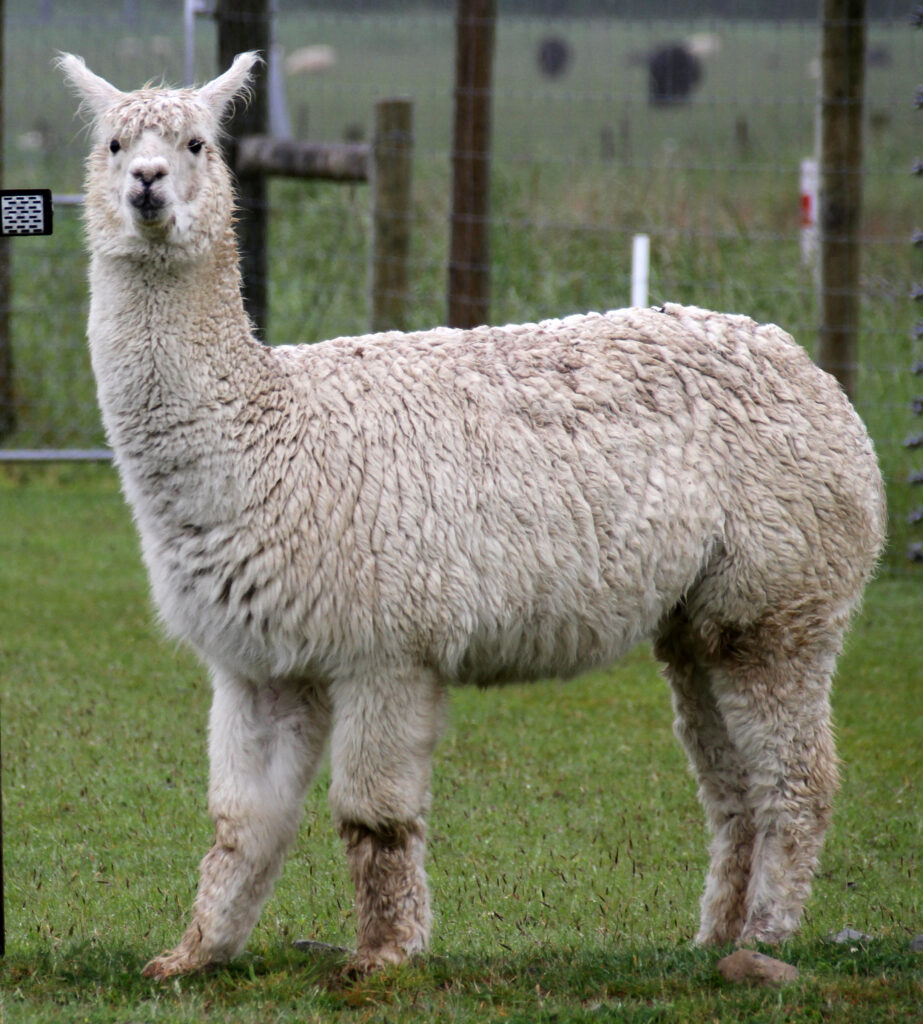
As the winter months approach, our minds often turn to warm and cozy topics – like alpacas’ fiber, for instance. However, this time around, we’re excited to delve into the animal itself, not just its wool. In this article, we’ll explore the unique characteristics of alpacas, their price, breeding in Italy, and more.
Alpaca: Origin
Alpacas hail from South America, specifically the Andean regions of Peru and Bolivia. As part of the Camelidae family, which also includes llamas, guanacos, and vicuñas, these animals share a common ancestry. Alpacas are ruminants, with a body structure designed for navigating steep terrain, featuring soft cushioning under their hooves perfect for balancing on rocky surfaces.
Their calm demeanor is a defining trait, showcasing docility, affectionateness, and a hint of curiosity. For centuries, alpacas have been raised in their native countries, with the Incas first recognizing their wool’s exceptional warmth, strength, and durability. After the arrival of Spanish conquistadors around 1500, the breed faced extinction but regained popularity by mid-1800s due to increasing demand for its wool.
Alpaca: Characteristics
At first glance, alpacas resemble camel relatives but have adapted to their climate. They can be mistaken for llamas, guanacos, and vicuñas, but are smaller than llamas and larger than guanacos. There are two primary breeds:
- Suri: A rare breed producing long, fine fibers with an extraordinary luster and extreme softness.
- Huacaya: The most common type, offering dense, fuzzy fleece.
Average lifespan ranges from 15-25 years, weighing between 100-175 pounds (45-79 kg) and measuring 80-90 cm at the shoulder. Compared to llamas, alpacas are approximately one-third in size. Their coat comes in eight different colors: natural white, light golden, golden, light gray, gray, beige, dark gray, and black.
Alpaca Cripples
Baby alpacas are born after a gestation period of almost 335 days (almost a year). Female alpacas can become pregnant without waiting for a cycle, with their babies weighing around 15-17 pounds (6.8-7.7 kg) at birth.
Alpaca Breeding in Italy
There are several breeding programs in Italy, despite the challenging climate. For instance, “De Oro” in Trentino-Alto Adige is one of the oldest and largest in Italy, housing over 200 animals with diverse genetic characteristics. It produces around 55 foals every year.
Alpaca Price
The price of wool varies between €100 per kilogram depending on market fluctuations and quality. There are 22 natural shades in demand due to low production rates.
Shearing can be done once a year, while female alpacas produce three kilograms (6.6 pounds) of wool annually, and male alpacas about four-and-a-half kilograms (9.7 pounds). Young alpacas are particularly prized for their fleece, known as “Cria,” which features unique characteristics such as no lanolin, no felting, and no allergies.
To Raise an Alpaca: A Budget Consideration
Raising an alpaca requires a budget that takes into account seasonal variations. In winter, hay rationed rations of food are necessary, while in summer, they can feed on pasture grass, making it more affordable.
Female alpacas under lactation and pregnant require a richer diet.
Why Do Alpacas Spit?
The legend surrounding llama spit is partially true but largely exaggerated. Alpacas occasionally spit towards other similar individuals, never towards humans or animals. It serves to establish dominance, reject males, or defend oneself. The smell may be unpleasant, but if you get hit with it, don’t worry – it’s just grass rumenated.
In general, alpacas are not aggressive and will flee if scared. Conflicts within their group can occur to settle hierarchies, but they rarely target humans, which they tend to avoid.
Lanugo di Alpaca
To obtain high-quality wool, you must take it from the back of the animal, similar to sheep. The most prized is that of crias (young alpacas), boasting unique features and colors as well as consistency and brilliance.
The fleece of female and young alpacas is finer than that of males. On the market, pure alpaca wool is rare, often mixed with synthetic fibers like Viscosa, Polyamide, Acrylic, Polyester.
Difference between Alpacas and Llamas
Understanding what makes these animals similar and different is crucial. As part of the Camelidae family, they share a common ancestry with vicuñas and guanacos.
- Size: Llamas are taller (up to 120 cm at shoulder) and weigh more than alpacas (around 100 kg vs 60 kg).
- Nose shape: Llamas have pointed ears and a more angular appearance compared to the softer lines of alpacas.
- Wool: Alpaca wool is finer, softer, and lighter, while llama wool is coarser and harder to work with.
- Character: Both are friendly with humans but llamas are more outgoing and stubborn, reacting with spitting or kicking when threatened. Alpacas are timid and more compliant, tending to flee in front of strangers.
Alpaca Suri and Huacaya
Let’s focus on the two primary breeds:
- Suri: Known for its extraordinary luster, extreme softness, and special fiber that grows parallel to the body.
- Huacaya: Offers dense, fuzzy fleece, making it a robust and healthy animal when not sheared regularly.
FAQs
- How long does an alpaca live?
- Average lifespan is 15-25 years.
- What is the average weight of an alpaca?
- Weighs between 100-175 pounds (45-79 kg).
- What is the difference in size between llamas and alpacas?
- Llamas are approximately one-third taller and weigh more than alpacas.
- Why do alpacas spit?
- They spit to establish dominance, reject males, or defend themselves.
- Can I keep an alpaca as a pet?
- Alpacas require a significant budget for their care and can be challenging to manage for inexperienced owners.
- How often should I shear my alpaca’s wool?
- Shearing can be done once a year, depending on the breed and quality of the fleece.
- What is the price of alpaca wool?
- Varies between €100 per kilogram depending on market fluctuations and quality.
- Can I raise an alpaca in Italy?
- Yes, there are several breeding programs in Italy, despite the challenging climate.
By understanding these unique characteristics, prices, and more about alpacas, you can make informed decisions about raising them as pets or investing in their wool production.


