
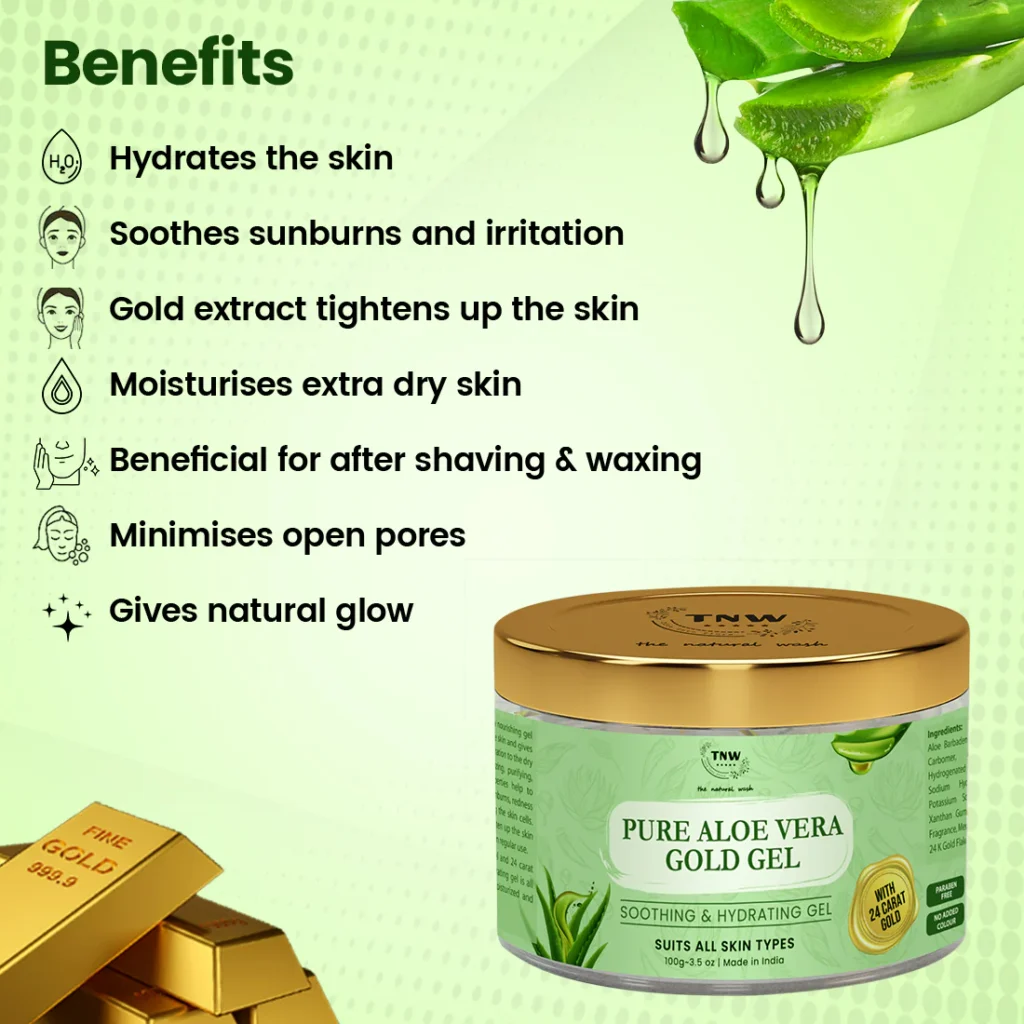
The benefits of aloe vera gel have been widely popularized globally, but the scientific evidence supporting its effectiveness is often disputed by public and private research studies. The debate surrounding the efficacy of aloe vera gel has led to controversy in the medical and wellness communities, with some claiming that it’s nothing more than a “fashionable trend” while others argue that it holds significant therapeutic value.
In this article, we’ll delve into the properties, uses, and benefits of aloe vera gel, exploring its potential applications in both food and skin care. We’ll also examine the various ways to use aloe vera gel, including its consumption as an ingredient in food products and beverages, and its topical application for soothing and protecting the skin.
History and Properties of Aloe Vera Gel
Aloe vera is a succulent plant native to tropical regions of Africa, Asia, and the Americas. Its leaves contain a thick, jelly-like substance known as aloe vera gel, which has been used for centuries in traditional medicine and cosmetics. The gel contains a range of bioactive compounds, including vitamins A, C, E, and B12, minerals such as calcium, iron, and potassium, and amino acids like glycine and glutamic acid.
Aloe vera gel is known for its anti-inflammatory, antimicrobial, and antioxidant properties, which contribute to its therapeutic value. Its high content of hyaluronic acid makes it an effective moisturizer, capable of retaining up to 500 times its weight in water. Additionally, aloe vera gel has been shown to possess wound-healing properties, making it a popular ingredient in topical creams and ointments.
How to Use Aloe Vera Gel
When using aloe vera gel for skin care purposes, it’s essential to follow proper application techniques to maximize its benefits. Here are some tips:
- Patch test: Before applying aloe vera gel to your entire body, perform a patch test on a small area of skin to check for any adverse reactions.
- Moisturize after showering or bathing: Apply aloe vera gel immediately after showering or bathing while the skin is still damp to lock in moisture and help soothe dryness.
- Use as a face mask: Mix aloe vera gel with other natural ingredients like honey, avocado, or cucumber to create a nourishing face mask.
- Exfoliate regularly: Use a gentle exfoliant to remove dead skin cells and reveal smoother, brighter skin.
When consuming aloe vera gel, be sure to choose high-quality products that are free from additives and preservatives. Some notable brands include Alarnic’s Gel of Aloe Vera 100% pure, which is produced using organic farming methods, and Aloe Pura Gel & Vitamin A – C – E, which combines aloe vera gel with vitamins A, C, and E to nourish the skin.
Aloe Vera Gel for Food Use
Aloe vera gel is widely used as an ingredient in various food products, including yogurt and beverages. Its laxative properties make it an effective digestive aid, and its anti-inflammatory compounds may help reduce inflammation and improve overall health.
Some popular products that incorporate aloe vera gel include:
- Yogurt: Aloe vera gel adds natural sweetness and probiotic benefits to yogurts.
- Smoothies: Blend aloe vera gel with your favorite fruits and vegetables for a refreshing, healthy drink.
- Energy drinks: Some energy drinks contain aloe vera gel as a natural source of hydration.
Where to Buy Aloe Vera Gel
Aloe vera gel can be purchased at various online retailers and specialty stores that sell natural wellness products. When shopping for a high-quality product, look for certifications like USDA Organic or Non-GMO Project Verified to ensure purity and safety.
Some notable products include:
- Alarnic Gel of Aloe Vera 100% pure: This organic, plant-based gel is available on Amazon at a competitive price.
- Aloe Pura Gel & Vitamin A – C – E: This innovative product combines aloe vera gel with vitamins A, C, and E to nourish the skin.
What You Need to Know About Aloe Vera
Before incorporating aloe vera gel into your daily routine, it’s essential to understand its potential benefits and drawbacks. Here are some key points to consider:
- Allergic reactions: Some individuals may be allergic to aloe vera gel, which can cause symptoms like itching, redness, or swelling.
- Interactions with medications: Aloe vera gel may interact with certain medications, such as blood thinners, diabetes medications, and immunosuppressants.
- Pregnancy and breastfeeding: As with any new food supplement, consult your healthcare provider before consuming aloe vera gel during pregnancy or breastfeeding.
Recent Research and Studies
Recent studies have shed light on the potential benefits of aloe vera gel in various areas, including:
- Skin protection: A 2019 study published in the Journal of Cosmetic Dermatology found that aloe vera gel significantly reduced UV-induced skin damage in human subjects.
- Wound healing: Research published in the Journal of Wound Care in 2018 demonstrated that aloe vera gel accelerated wound healing by increasing collagen synthesis and improving tissue regeneration.
- Digestive health: A study published in the Journal of Medicinal Food in 2020 found that aloe vera gel supplementation improved gut motility and reduced inflammation in healthy individuals.
Conclusion
Aloe vera gel is a versatile, natural ingredient with a range of benefits for skin care and digestive health. By understanding its properties, uses, and potential drawbacks, you can harness the power of aloe vera gel to improve your overall well-being. Whether applied topically or consumed as an ingredient in food products, aloe vera gel has proven itself to be a valuable addition to any wellness routine.
Additional Resources
For further information on aloe vera gel, consult the following resources:
- National Institute of Health (NIH): The NIH offers comprehensive information on aloe vera gel, including its potential benefits and side effects.
- American Cancer Society: This organization provides guidance on using aloe vera gel as a complementary therapy for cancer treatment.
- Academy of Nutrition and Dietetics: This professional organization offers expert advice on incorporating aloe vera gel into your diet.
By embracing the power of aloe vera gel, you can unlock a world of natural health benefits and enjoy radiant, glowing skin.


