
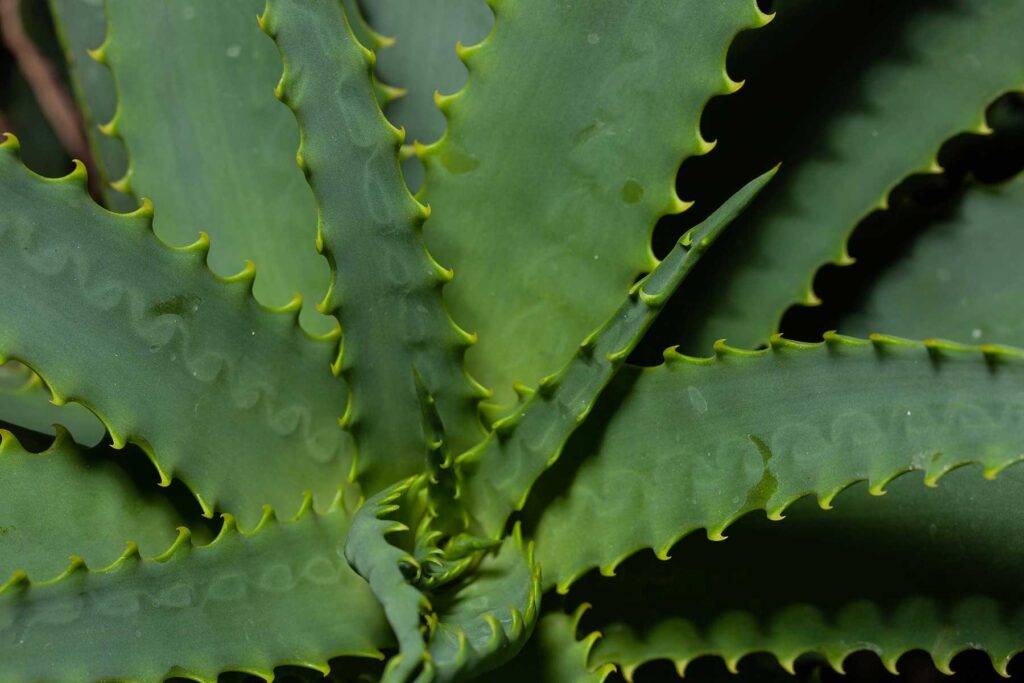
Aloe arborescens, also known as the lesser-known cousin of aloe vera, is a succulent plant belonging to the Aloaceae family. It is closely related to the popular Aloe barbadensis Miller, commonly referred to as aloe vera. Despite its popularity in some regions, aloe arborescens remains relatively unknown compared to its more famous cousin.
Aloe Arborescens vs Aloe Barbadensis: What’s the Difference?
With over 250 species of aloes, both aloe vera and aloe arborescens have gained popularity for their medicinal properties. While aloe vera has been extensively studied, with more than 3,000 scientific publications, aloe arborescens also enjoys a significant following. However, there are some key differences between the two plants.
Aloe barbadensis is widely cultivated and used in cosmetics and pharmaceutical applications due to its high demand for its gel-like substance, which contains numerous bioactive compounds. In contrast, Aloe arborescens is less commercially available and primarily grown in home gardens or small-scale agriculture. This disparity may be attributed to the plant’s lesser-known status, which makes it harder to market and distribute.
Similarities between Aloe Arborescens and Aloe Vera
Despite their differences, aloe arborescens and aloe vera share several similarities. Both plants thrive in warm and dry climates, making them ideal for regions with limited rainfall. They are both perennials, characterized by thick, fleshy leaves that store water, allowing the plant to survive during periods of drought.
Both Aloe arborescens and aloe vera have been used for centuries, primarily for their medicinal properties. Their extracts have been shown to exhibit anti-inflammatory, antibacterial, and antifungal effects, making them useful in treating various health issues.
Medicinal Benefits of Aloe Arborescens
Aloe arborescens has been traditionally used to treat a range of ailments, including digestive issues and skin conditions. Its extracts have been shown to exhibit laxative, cicatrizing, and anti-inflammatory effects, making it an attractive alternative to other plants with similar properties.
However, it’s essential to note that aloe arborescens may interact with certain medications, such as insulin, and lower blood sugar levels. As with any plant-based remedy, individuals should consult with a healthcare professional before using aloe arborescens for medicinal purposes.
Aloe Arborescens and Cancer Research
Some studies suggest that aloe arborescens extracts may be used in conjunction with chemotherapy to treat cancer. The plant’s bioactive compounds have been shown to exhibit anti-cancer properties, which could potentially enhance the efficacy of traditional cancer treatments.
However, more research is needed to confirm its efficacy and potential side effects. Additionally, aloe vera has been associated with an increased risk of tumors in some animal studies, which raises concerns about the long-term safety of using these plants in cancer treatment.
Habitat and Cultivation
Aloe arborescens can grow up to 4 meters tall and has sprawling, ramified stems that produce large inflorescences. The plant prefers well-draining soil and full sun, making it an ideal choice for rock gardens and coastal areas with mild winters.
In regions with suitable climates, aloe arborescens can thrive outdoors or be grown in containers indoors. However, it’s crucial to provide the right environment for optimal growth, including adequate light, temperature, and watering.
Reproduction Methods
Aloe arborescens reproduces through cross-pollination, as its female and male flowers do not self-pollinate. The plant can be propagated using seeds or division of the offsets that form at the base of the plant. Seeds are generally more challenging to germinate than division, but they offer a unique opportunity for cultivating new plants with desirable traits.
Distribution and Availability
Aloe arborescens is native to the desert regions of North Africa but has been widely distributed and cultivated in many parts of the world, particularly near coastal areas. In Italy, it’s commonly found along the Mediterranean coast, Adriatic coast, and Tyrrhenian coast.
Due to its lesser-known status, aloe arborescens may be more challenging to find than other plants with similar properties. However, online marketplaces and specialty stores specializing in succulents and rare plants often carry Aloe arborescens products or seeds.
Conclusion
Aloe arborescens may not be as well-known as its cousin aloe vera, but it offers several medicinal benefits and can thrive in various environments. While more research is needed to confirm its efficacy in cancer treatment, aloe arborescens has been used for centuries to treat various ailments.
If you’re considering using this plant for therapeutic purposes, be sure to consult with a healthcare professional, as potential interactions or side effects may arise. Additionally, cultivating Aloe arborescens can provide an opportunity to learn about its unique properties and how to care for it effectively.
Frequently Asked Questions
- Is Aloe Arborescens safe for everyone to use?
While generally considered safe, aloe arborescens may interact with certain medications or worsen underlying health conditions. Consult with a healthcare professional before using it. - Can I grow Aloe Arborescens indoors?
Yes, but it requires well-draining soil and full sun. It’s essential to provide the right environment for optimal growth. - How do I propagate Aloe Arborescens?
You can propagate Aloe arborescens using seeds or division of offsets that form at the base of the plant. - Is Aloe Arborescens a good choice for skin conditions?
While its extracts have anti-inflammatory and antibacterial properties, more research is needed to confirm its effectiveness in treating specific skin conditions. - Can I use Aloe Arborescens as a substitute for Aloe Vera?
No, both plants have unique properties and should not be used interchangeably without consulting with a healthcare professional. - Is Aloe Arborescens a good option for digestive issues?
While its extracts have laxative effects, more research is needed to confirm its effectiveness in treating specific digestive issues. - Can I use Aloe Arborescens topically or orally?
Topical application is generally recommended, but it’s essential to consult with a healthcare professional before using it orally. - Is Aloe Arborescens available for purchase online?
Yes, you can find Aloe arborescens products online, including extracts, creams, and supplements. However, ensure that the product is sourced from a reputable supplier.
Sources:
- De Simone, A. (2014, August 5). Pubblicato da Anna De Simone il 5 Agosto 2014.
- Various scientific articles and studies on aloe arborescens and its medicinal properties.
Additional Research Directions
To further explore the potential benefits of Aloe arborescens, researchers should consider the following areas:
- Cancer Treatment: Conduct in vitro and in vivo studies to investigate the anti-cancer effects of aloe arborescens extracts.
- Digestive Health: Investigate the laxative properties of aloe arborescens and its potential use in treating digestive disorders.
- Skin Conditions: Conduct clinical trials to evaluate the effectiveness of aloe arborescens extracts in treating various skin conditions, such as acne or eczema.
By exploring these research directions, scientists can gain a deeper understanding of Aloe arborescens’ medicinal properties and its potential applications in human health.


