
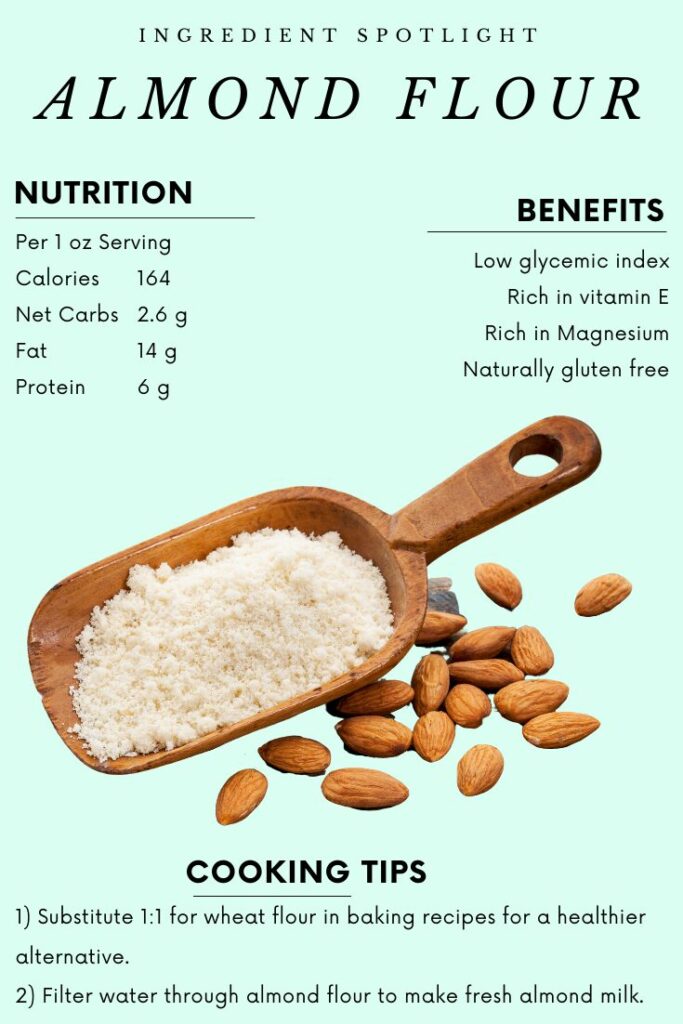
Almond flour, a popular ingredient in modern baking, has been used for centuries in traditional Italian recipes. This nutty and versatile flour is made from ground almonds, which can be either peeled or unpeeled, and toasted or raw. In this article, we will delve into the nutritional benefits, uses, and preparation methods of almond flour, as well as explore its differences with other popular flours like coconut flour.
What is Almond Flour?
Almond flour is a type of gluten-free flour made from almonds that have been ground into a fine powder. Unlike traditional wheat flour, almond flour does not contain gluten, making it an ideal option for individuals with gluten intolerance or celiac disease. The flour has a nutty flavor and a texture similar to that of rice flour.
Nutritional Benefits of Almond Flour
Almond flour is a nutrient-rich ingredient, high in healthy fats, protein, and fiber. It is also a good source of vitamins E and B6, as well as minerals like magnesium and potassium. The flour contains elevated levels of omega-6 fatty acids, which have been linked to various health benefits.
Comparison with Coconut Flour
Coconut flour, another popular gluten-free alternative, has its own unique nutritional profile and uses in cooking. While both flours are low in carbohydrates, coconut flour is higher in fiber and protein than almond flour. However, it absorbs more liquid during cooking, making it challenging to work with. Almond flour, on the other hand, is more versatile and can be used in a variety of recipes, including baked goods, desserts, and savory dishes.
Preparing Almond Flour at Home
Making almond flour at home is easier than you think! Simply grind almonds in a food processor or blender until they reach a fine powder. If using a high-speed blender, it’s essential to use the lowest speed setting to prevent vitamin E loss. You can also purchase a dedicated grinder or mill specifically designed for grinding nuts and seeds.
Why Choose Unpeeled Almonds?
Unpeeled almonds are preferred when making almond flour because they contain more nutrients and antioxidants than peeled almonds. The skin of the almond contains beneficial compounds like flavonoids, phenolic acids, and fatty acids, which contribute to the flour’s nutritional value. Using unpeeled almonds also ensures a richer flavor in your final product.
Using Almond Flour in Cooking
Almond flour can be used in various recipes, including baked goods, desserts, and savory dishes. It pairs well with sweet ingredients like sugar, honey, and fruit, making it ideal for cakes, cookies, and pastries. In savory recipes, almond flour adds a nutty flavor and texture, making it perfect for pasta dough, pizza crusts, and meatballs.
Making Pasta di Mandorle
One of the most popular uses for almond flour is in the production of pasta di mandorle, a traditional Italian dessert made from ground almonds mixed with sugar and egg. The resulting dough is pliable and can be shaped into various forms, making it perfect for decorating or coating cakes.
The Art of Making Marzapane
Marzapane is another popular dessert made with almond flour, which is blended with sugar to create a smooth paste. To make marzapane, combine 250 grams of almond flour with 500 grams of sugar and add an equal amount of water to achieve the desired consistency. This traditional Italian recipe has been passed down through generations and remains a staple in many Italian households.
Choosing the Right Grinder or Mill
When it comes to grinding almonds at home, there are several options available. A dedicated grinder or mill is recommended for optimal results. Consider investing in a high-quality machine that can handle large quantities of nuts and seeds. The Kenwood Granaglie, priced at 86.70€ on Amazon, is an excellent choice for its affordability and performance.
Tips for Using Almond Flour
- Start with small batches: When using almond flour for the first time, start with a small batch to get a feel for how it behaves in your recipes.
- Experiment with ratios: Don’t be afraid to experiment with different ratios of almond flour to other ingredients to achieve the desired texture and flavor.
- Use it in combination with other flours: Almond flour can be used in combination with other gluten-free flours, such as coconut flour or rice flour, to create a more complex flavor profile.
- Store it properly: Store your almond flour in an airtight container to maintain its freshness and nutritional value.
Frequently Asked Questions
- What are the health benefits of consuming almond flour?
Almond flour is high in healthy fats, protein, and fiber, making it an excellent choice for those looking to reduce their carbohydrate intake. It also contains elevated levels of omega-6 fatty acids, which have been linked to various health benefits. - Can I use almond flour as a substitute for wheat flour?
Almond flour can be used as a 1:1 substitute for wheat flour in many recipes, but it’s essential to note that gluten-free flours behave differently than traditional wheat flours. - How do I choose the right type of almonds for making almond flour?
Unpeeled almonds are preferred when making almond flour because they contain more nutrients and antioxidants than peeled almonds. - What is the difference between almond flour and coconut flour?
Almond flour and coconut flour have distinct nutritional profiles and uses in cooking. Almond flour is higher in protein and fiber, while coconut flour absorbs more liquid during cooking. - How do I make almond flour at home?
To make almond flour at home, simply grind almonds in a food processor or blender until they reach a fine powder. Use the lowest speed setting when using a high-speed blender to prevent vitamin E loss.
Conclusion
Almond flour is a versatile and nutritious ingredient that offers numerous benefits for bakers and cooks alike. Its gluten-free status makes it an ideal option for those with dietary restrictions. By choosing unpeeled almonds and following proper preparation methods, you can unlock the full potential of this delicious and nutritious flour. Whether used in traditional Italian recipes or modern creations, almond flour is sure to become a staple in your kitchen.
Additional Resources
- “The Almond Flour Cookbook” by Karen DeMasco
- “Almond Flour for Beginners: A Comprehensive Guide”
- The International Gluten-Free Association (IGFA)


