
Understanding Allergies: Causes, Symptoms, and Remedies
As we navigate the complexities of modern life, it’s no surprise that allergies have become a growing concern. From Europe to Italy, the prevalence of allergic reactions is on the rise, affecting individuals of all ages. In this article, we’ll delve into the world of allergies, exploring their causes, symptoms, and effective remedies.
The Rise of Allergies: A Growing Concern
In recent years, allergy-related issues have become increasingly common. According to experts, the surge in allergic reactions can be attributed to a combination of factors, including environmental pollution, changes in lifestyle, and domestic cleaning products. The good news is that there are ways to mitigate these symptoms and prevent allergies from taking hold.
Causes of Allergies
So, what triggers allergic reactions? While there’s no single answer, research suggests that several factors contribute to the development of allergies:
- Exposure to natural elements, such as animals or plants
- Poor air quality, both indoors and outdoors
- Limited exposure to sunlight
- A diet lacking in essential nutrients
- The decision not to breastfeed for an extended period
The Connection Between Allergies and Environmental Factors
Our environment plays a significant role in shaping our immune system. Pollution, in particular, has been linked to the increase in allergic reactions. This is because pollutants can alter the balance of bacteria in our gut, leading to inflammation and potentially triggering allergies.
Household Cleaning: A Common Culprit
Our homes are filled with cleaning products designed to make life easier. However, many of these products contain harsh chemicals that can irritate skin and exacerbate allergies. The solution? Switching to natural, biodegradable alternatives or making your own cleaning solutions using household items like baking soda and vinegar.
Natural Remedies for Allergies
Fortunately, there are numerous natural remedies that can help alleviate allergy symptoms:
- Baking soda: A natural deodorizer and anti-inflammatory agent
- Apple cider vinegar: A natural antihistamine and antimicrobial agent
- Honey: An antibacterial agent with anti-inflammatory properties
By incorporating these remedies into your daily routine, you’ll be taking the first steps towards managing allergy symptoms.
Understanding the Symptoms of Allergies
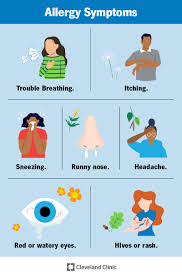
Allergic reactions can manifest in a variety of ways, ranging from mild discomfort to life-threatening anaphylaxis. It’s essential to recognize the signs and symptoms of allergies to take prompt action:
- Hives or itchy skin
- Redness and swelling
- Stomach cramps and diarrhea
- Runny nose, congestion, and sneezing
- Difficulty breathing
If you suspect you have an allergy, consult a healthcare professional for proper diagnosis and treatment.
Conclusion
Allergies are a growing concern, but by understanding their causes and taking proactive measures, we can reduce our risk of developing them. Whether it’s switching to natural cleaning products or incorporating natural remedies into your lifestyle, there are many ways to mitigate allergy symptoms. So next time you’re tempted to reach for the nearest antihistamine, remember that there’s often a more natural solution at hand.
Prevention is Key
While some allergies can’t be prevented entirely, taking steps to reduce exposure to potential allergens can significantly lower your risk:
- Maintain good air quality in your home by using HEPA filters and regular cleaning
- Eat a balanced diet rich in essential nutrients
- Avoid touching or handling animals that may trigger allergies
Symptom Management
In addition to prevention, effective symptom management is crucial for reducing the impact of allergic reactions. Here are some strategies to help you cope:
- Use natural remedies like baking soda and apple cider vinegar to alleviate symptoms
- Apply topical creams or ointments to reduce itching and inflammation
- Take over-the-counter antihistamines or decongestants as needed
Advanced Treatment Options
For individuals with severe allergies, advanced treatment options may be necessary. These include:
- Immunotherapy: A long-term treatment that involves exposure to small amounts of the allergen to build tolerance
- Medications: Prescription medications like epinephrine injectors or corticosteroids can help manage symptoms
Support and Resources
Living with allergies can be challenging, but there are resources available to support you:
- Support groups: Connect with others who share your experiences and advice
- Healthcare professionals: Consult with a doctor or allergist for personalized guidance and treatment
- Online forums: Join online communities for discussion and information
Conclusion
Allergies are a growing concern, but by understanding their causes and taking proactive measures, we can reduce our risk of developing them. Whether it’s switching to natural cleaning products or incorporating natural remedies into your lifestyle, there are many ways to mitigate allergy symptoms. So next time you’re tempted to reach for the nearest antihistamine, remember that there’s often a more natural solution at hand.
FAQs
- Q: How can I prevent allergies?
A: By exposing yourself to natural elements, maintaining good air quality, and eating a balanced diet. - Q: What are some common household cleaning products that can trigger allergies?
A: Chemical-based cleaners, fragrances, and dyes. - Q: Can baking soda help with allergy symptoms?
A: Yes. Baking soda has anti-inflammatory properties that can help alleviate congestion and itching. - Q: Are there any natural remedies for food allergies?
A: While no remedy can completely eliminate the risk of a food allergy, incorporating foods rich in essential nutrients can help boost your immune system. - Q: Can I make my own cleaning products using household items?
A: Yes. Baking soda and vinegar are two effective natural ingredients that can be used to create a variety of cleaning solutions.
Recommended Reading
- “The Allergy Cure” by Dr. Andrew Weil
- “The Natural Remedy Handbook”
- “The Environmental Impact of Allergies”
Stay informed, stay healthy!


