
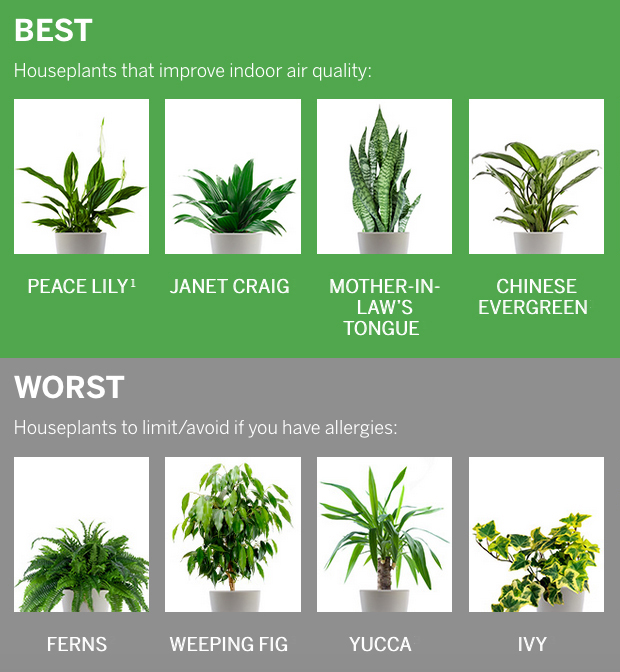
As the prevalence of allergies continues to rise, it’s essential to understand what causes them and how to prevent or manage them. In this article, we’ll explore the world of plant allergens, their symptoms, and how to reduce your exposure.
What are Plant Allergies?
Plant allergies occur when the body’s immune system overreacts to certain plant proteins in pollen or other parts of a plant. This can lead to a range of symptoms, from mild discomfort to life-threatening reactions.
The Most Common Plant Allergens
There are several types of plants that are known to cause allergic reactions, including:
- Grasses: These include common allergenic grasses like timothy grass and orchard grass.
- Weeds: Weeds like ragweed, sagebrush, and tumbleweed are also notorious allergens.
- Trees: Trees like birch, cedar, and oak can cause allergic reactions in some people.
Symptoms of Plant Allergies
The symptoms of plant allergies can vary depending on the specific type of plant and the individual’s sensitivity. Some common symptoms include:
- Eye irritation
- Sneezing
- Congestion
- Runny nose
- Itchy throat
- Skin rashes
How to Identify Plant Allergies
Identifying a plant allergy can be challenging, but there are several steps you can take to determine if you have an allergy:
- Keep a symptom journal: Write down when your symptoms occur and what triggers them.
- Consult with a healthcare professional: If you suspect that you have a plant allergy, consult with a healthcare professional who specializes in allergies.
- Get tested: Your healthcare professional may recommend tests to determine the specific allergen causing your symptoms.
Reducing Exposure to Plant Allergens
There are several ways to reduce your exposure to plant allergens:
- Stay indoors during peak pollen hours: If you know when the pollen count is highest in your area, stay indoors during those times.
- Use air purifiers: Air purifiers can help remove allergens from the air.
- Wear a mask: Wearing a mask can help filter out allergens when you’re outdoors.
- Shower and change clothes after being outside: Washing your hair and changing your clothes after spending time outdoors can help remove pollen from your body.
Treatment Options
If you have a plant allergy, there are several treatment options available:
- Medications: Antihistamines, decongestants, and corticosteroids can help alleviate symptoms.
- Immunotherapy: This involves injecting small amounts of the allergen into your body to build up tolerance over time.
Preventing Plant Allergies
While it’s not possible to completely eliminate plant allergies, there are several ways to reduce your risk:
- Avoid exposure: If you know that a certain plant is an allergen for you, try to avoid being around it.
- Use protective clothing: Wearing long sleeves, gloves, and a mask can help protect your skin from contact with plants.
- Shower after gardening or outdoor activities: Washing your hair and changing your clothes after spending time outdoors can help remove pollen from your body.
Understanding the Impact of Plant Allergies
Plant allergies can have a significant impact on daily life, causing discomfort, missed workdays, and even hospitalizations in severe cases. Understanding the causes and symptoms of plant allergies is crucial for developing effective treatment plans and reducing exposure to allergens.
Conclusion
Plant allergies are a common and potentially debilitating condition that requires attention and care. By understanding what causes them, how to identify symptoms, and how to reduce exposure, individuals can take steps to manage their allergies and improve their quality of life. Consult with a healthcare professional for personalized advice on managing plant allergies.


