
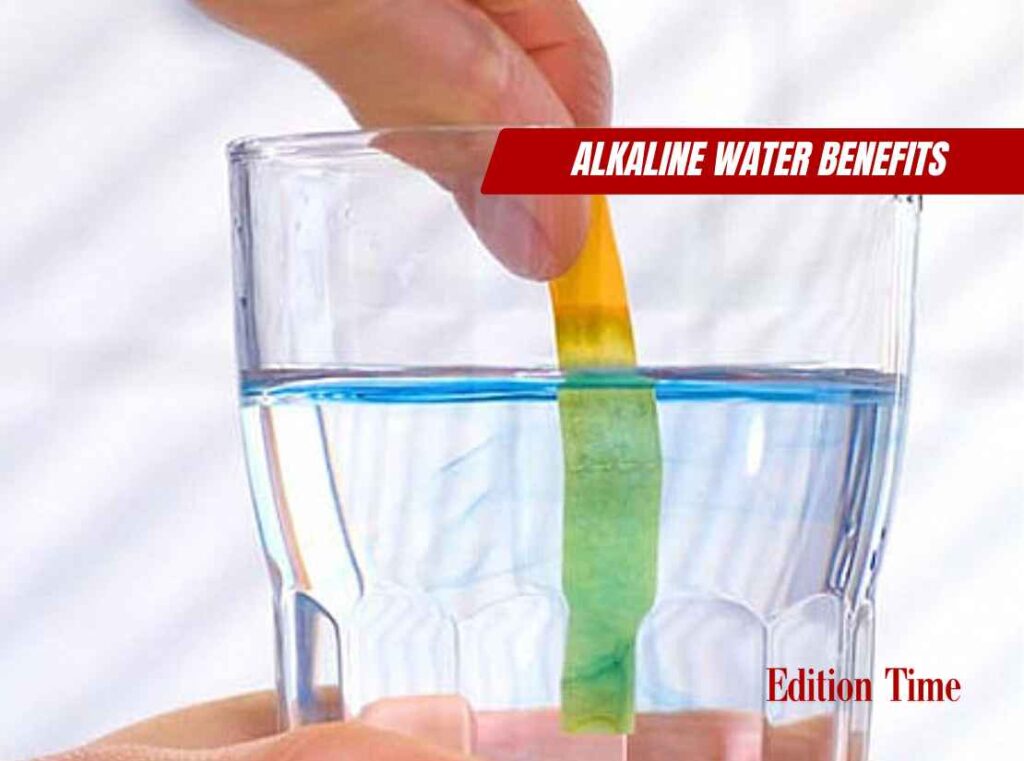
Discover the truth about alkaline water benefits. Learn what science says about pH water, health claims, and whether expensive alkaline water is worth the investment.
Last year, I spent over $300 on an alkaline water machine after watching countless testimonials about increased energy, better hydration, and improved overall health. The marketing promised that alkaline water would transform my wellness routine and provide benefits that regular water simply couldn’t deliver. For three months, I diligently drank only alkaline water, waiting for the miraculous changes I’d been promised.
What I experienced was enlightening, but not in the way I expected. Instead of dramatic health improvements, I learned a valuable lesson about the difference between marketing claims and scientific evidence.
After researching the actual science behind alkaline water and consulting with medical professionals, I discovered that the reality of alkaline water is far more nuanced than either its promoters or critics suggest. Some claims have merit in specific contexts, while others are simply unsupported by evidence.
If you’ve been curious about alkaline water or considering investing in expensive pH-adjusted water products, understanding what science actually says could save you money while helping you make informed decisions about your hydration choices.
Understanding Alkaline Water and pH Basics
Alkaline water has a pH higher than 7, typically ranging from 8 to 9.5, compared to regular drinking water which usually has a neutral pH around 7.
Dr. Tanis Fenton, a nutrition epidemiologist at the University of Calgary, explains that “while alkaline water is generally safe for most people, the human body has sophisticated mechanisms for maintaining optimal pH balance regardless of what you drink. The claims about alkaline water’s health benefits often oversimplify complex physiological processes.”
What Makes Water Alkaline
Natural alkaline water gets its higher pH from dissolved minerals like calcium, magnesium, and potassium that it picks up from rocks and soil.
Artificially alkaline water is created through electrolysis or by adding alkaline minerals to regular water. Most commercial alkaline water products use these artificial methods.
The pH scale is logarithmic, meaning water with a pH of 8 is ten times more alkaline than water with a pH of 7. Small numerical differences represent significant changes in alkalinity.
I learned that my expensive machine was essentially doing what I could achieve more affordably through other methods, though the convenience factor was admittedly appealing.
How Your Body Regulates pH
Your body maintains blood pH within a very narrow range (7.35-7.45) through complex buffering systems involving your lungs, kidneys, and blood chemistry.
This regulation happens automatically and is so efficient that healthy people’s blood pH rarely varies outside the normal range, regardless of dietary choices.
What you eat and drink can affect urine pH but has minimal impact on blood pH or overall body pH in healthy individuals.
Examining Popular Alkaline Water Claims
Marketing for alkaline water often makes bold health claims that sound scientifically plausible but lack robust evidence when examined closely.
Claim: Better Hydration
Some studies suggest that alkaline water with added electrolytes may improve hydration status compared to regular water, particularly during intense exercise.
However, the hydration benefits appear to come from the electrolyte content rather than the alkaline pH itself.
Regular water with added minerals (which you can create affordably at home) provides similar hydration benefits without the premium price.
I noticed no difference in my hydration levels between alkaline water and regular water with a pinch of sea salt, despite the significant cost difference.
Claim: Acid Neutralization in the Body
Proponents claim alkaline water neutralizes excess acid in the body, but this misunderstands how pH regulation actually works.
Your stomach is highly acidic (pH 1.5-3.5) by design, and drinking alkaline water is quickly neutralized by stomach acid.
Any temporary increase in stomach pH from alkaline water is rapidly corrected by your body’s natural acid production.
The concept of “acidic bodies” needing alkaline intervention isn’t supported by human physiology—healthy bodies maintain proper pH automatically.
Claim: Antioxidant Properties
Some alkaline water products claim to provide antioxidant benefits through negative oxidation-reduction potential (ORP).
Limited research suggests some alkaline waters may have antioxidant activity in laboratory settings, but this doesn’t necessarily translate to benefits in the human body.
Antioxidants from food sources like fruits and vegetables are better studied and more reliable than those claimed for alkaline water.
Claim: Improved Athletic Performance
A few small studies have found modest improvements in exercise performance with alkaline water consumption, particularly for high-intensity activities.
These benefits appear related to better hydration and mineral content rather than pH alone.
The improvements are generally small and may not be practically significant for most recreational exercisers.
As someone who exercises regularly, I found no noticeable difference in performance between alkaline water and regular water with electrolytes.
What the Research Actually Shows
Scientific studies on alkaline water are limited and often small-scale, making it difficult to draw definitive conclusions about health benefits.
Positive Research Findings
A small study on acid reflux found that alkaline water with a pH of 8.8 may help deactivate pepsin, an enzyme involved in acid reflux symptoms.
Some research on bone health suggests alkaline water might reduce bone resorption markers, though clinical significance is unclear.
Studies on exercise performance show modest improvements in some measures, particularly for high-intensity activities lasting over an hour.
Hydration studies indicate potential benefits for fluid retention, though these appear related to mineral content rather than pH.
Research Limitations
Most studies are small (fewer than 100 participants) and short-term, limiting the ability to assess long-term health effects.
Many studies are funded by alkaline water companies, creating potential bias in research design and interpretation.
Control groups often use distilled or low-mineral water rather than typical drinking water, potentially skewing results.
Publication bias may favor positive results while negative or neutral findings go unpublished.
Potential Risks and Considerations
While alkaline water is generally safe for healthy people, there are some situations where caution may be warranted.
Digestive Considerations
Alkaline water may interfere with normal stomach acid function if consumed in large quantities with meals.
People taking medications that require specific stomach pH for absorption should consult healthcare providers before regular alkaline water consumption.
Those with digestive disorders like achlorhydria (low stomach acid) should be particularly cautious about alkaline water intake.
Mineral Balance Concerns
Extremely high alkaline water consumption could potentially affect mineral balance, though this is more theoretical than proven.
Natural electrolyte balance is important for optimal health, and artificially high pH water might disrupt normal mineral absorption.
Kidney function could be affected in people with pre-existing kidney disease who consume large amounts of alkaline water.
Cost-Benefit Analysis
Alkaline water products are significantly more expensive than regular water, often costing 10-50 times more.
The potential benefits don’t clearly justify the premium price for most people, especially considering alternatives.
Environmental impact of bottled alkaline water or electricity usage for home machines should be considered.
I calculated that my alkaline water habit was costing over $100 per month compared to pennies for filtered tap water.
Alternatives to Expensive Alkaline Water
If you’re interested in the potential benefits attributed to alkaline water, there are more affordable ways to achieve similar results.
DIY Alkaline Water
Adding a pinch of baking soda to water can increase pH, though this also increases sodium content.
Lemon water, despite being acidic initially, has an alkalizing effect on urine pH and provides vitamin C.
Himalayan salt or sea salt in water provides minerals and slight alkalinity at a fraction of commercial alkaline water costs.
I experimented with these methods and found them equally effective for any perceived benefits I’d experienced with commercial products.
Focus on Overall Diet
Eating more fruits and vegetables naturally supports healthy pH balance and provides proven health benefits.
Reducing processed foods has a more significant impact on overall health than changing water pH.
Staying adequately hydrated with any clean water source is more important than the specific pH of that water.
Quality Water Filtration
Investing in good water filtration removes contaminants while preserving beneficial minerals at a lower cost than alkaline water systems.
Reverse osmosis with remineralization provides clean, mineral-balanced water without extreme pH manipulation.
Carbon filtration improves taste and removes chlorine while maintaining natural mineral content and pH.
Making Informed Hydration Choices
Good hydration habits matter more than the specific type of water you choose, and simple principles often work best.
Hydration Fundamentals
Drink when thirsty and monitor urine color as a hydration indicator—pale yellow suggests adequate hydration.
Increase fluid intake during exercise, hot weather, or illness, but don’t force excessive water consumption.
Include electrolytes during prolonged exercise or excessive sweating through natural sources or modest supplementation.
I found that paying attention to basic hydration cues was more effective than any specific water type for maintaining optimal hydration.
When Water Type Might Matter
People with specific medical conditions like kidney stones or acid reflux may benefit from discussing water pH with healthcare providers.
Athletes in extreme conditions might see modest benefits from mineral-rich, slightly alkaline water during competition.
Those with very acidic diets might consider increasing alkaline foods rather than focusing on water pH.
Budget-Conscious Wellness
High-quality basic nutrition provides more health benefits than expensive water products.
Regular exercise and stress management have far greater impact on wellness than water pH.
Investing in sleep quality yields better returns on health than premium water products.
I redirected my alkaline water budget toward organic vegetables and noticed far more significant improvements in energy and overall health.
The Bottom Line on Alkaline Water
Alkaline water isn’t harmful for most people, but it’s also not the health miracle that marketing often portrays.
What the Evidence Supports
Modest benefits for acid reflux and exercise performance in specific circumstances have some research support.
Hydration benefits appear real but are likely due to mineral content rather than pH alone.
Safety for healthy individuals is well-established for moderate consumption.
What the Evidence Doesn’t Support
Dramatic health transformations from alkaline water aren’t supported by robust research.
Body pH modification through alkaline water consumption doesn’t occur in healthy individuals.
Disease prevention or treatment claims lack scientific evidence and may be misleading.
Making Your Decision
Consider your budget and whether the potential modest benefits justify the significant cost premium.
Focus on proven health fundamentals like nutrition, exercise, sleep, and stress management for better returns on wellness investment.
If you enjoy alkaline water and can afford it comfortably, moderate consumption is unlikely to cause harm.
Try simple alternatives first to see if you experience similar benefits at lower cost.
My experience with alkaline water taught me valuable lessons about distinguishing between marketing hype and scientific evidence. While the water itself wasn’t harmful, the claims made about its benefits were largely overstated.
The most important aspect of hydration is consistency rather than optimization of pH levels. Clean, accessible water that you actually drink regularly will always be superior to expensive water that breaks your budget or creates stress about “perfect” hydration.
Wellness is built on fundamentals—nutritious food, regular movement, quality sleep, and stress management. While alkaline water might provide modest benefits for some people in specific situations, it’s not a substitute for these proven health practices that don’t require premium pricing.


