
As we navigate the complexities of maintaining a healthy body, it’s essential to understand the role of alkaline foods in our diet. These foods have been touted for their benefits, but it’s crucial to separate fact from fiction and approach this topic with a clear understanding.
In recent years, the concept of alkaline foods has gained significant attention, and many people are eager to incorporate these foods into their diets. However, before we dive into the world of alkaline foods, let’s start by defining what they are and how they work.
What are Alkaline Foods?
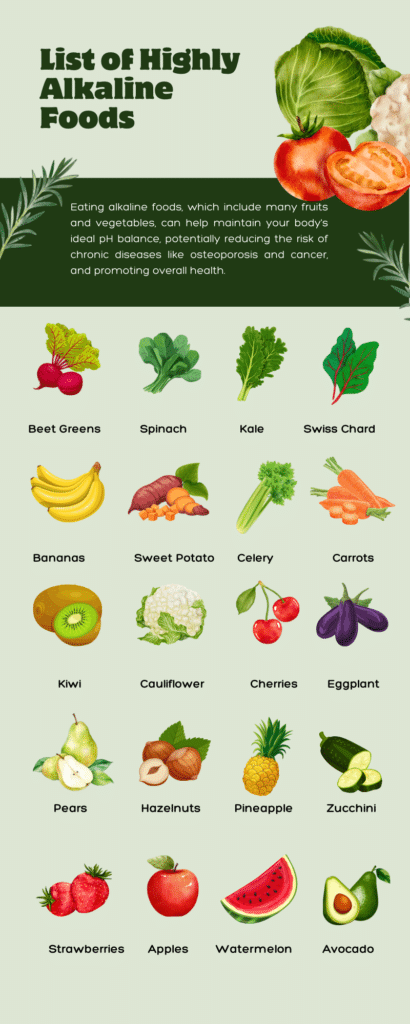
Alkaline foods are those that contain residues that are not metabolized by the body, resulting in a basic pH level. Fruits and vegetables, in general, are the primary sources of these alkaline properties. However, there are other foods that share similar characteristics, such as grains, legumes, and certain nuts.
Foods with high alkalinity levels include:
- Leafy greens like kale and spinach
- Berries such as blueberries and raspberries
- Nuts and seeds like almonds and pumpkin seeds
- Whole grains like brown rice and quinoa
- Legumes like lentils and chickpeas
These foods are not only rich in nutrients but also have a lower acidity level, making them an excellent addition to our diets.
The Importance of Balancing Our Diet
It’s not just about consuming alkaline foods; it’s also about achieving a balance in our diet. A diet that is too acidic can lead to a range of health issues, including obesity, chronic degenerative diseases, and reduced immune function. By incorporating a variety of alkaline foods into our daily meals, we can help maintain a stable pH level and support overall well-being.
The Concept of pH
pH levels are measured on the pH scale, which ranges from 0 to 14. A pH level of 7 is considered neutral, while levels below 7 are acidic and above 7 are alkaline. Our bodies require a slightly alkaline environment to function optimally, with a pH range of 7.35 to 7.45.
Caffeinated Beverages vs. Acidic Foods: The Enemy Within
While it may seem counterintuitive, caffeinated beverages like coffee and tea can be just as acidic as sugary drinks. These substances can disrupt our body’s natural pH balance and lead to a range of health problems. It’s essential to consume them in moderation and balance them out with alkaline foods.
The Role of Acidity in Our Bodies
Acidity levels in the body are controlled by various organs, including the kidneys, liver, and pancreas. These organs work together to regulate our pH levels, but when we consume acidic foods or beverages, it can put extra strain on these systems. Chronic acidity has been linked to a range of health issues, including digestive problems, fatigue, and even mental health concerns.
Combining Alkaline Foods for Optimal Benefits
When combining alkaline foods, it’s not just about throwing a few items together; it’s about creating a balanced and harmonious meal. For example, pairing whole grains like brown rice or quinoa with fruits or vegetables can create a symphony of flavors and benefits. Similarly, combining legumes with nuts or seeds can provide a boost of protein, fiber, and energy.
The Benefits of Alkaline Foods
Alkaline foods have been shown to possess a range of benefits, including:
- Antioxidant properties
- Anti-inflammatory effects
- Improved digestive health
- Boosted energy levels
- Enhanced immune function
Incorporating alkaline foods into our diets can help reduce oxidative stress, promote healthy digestion, and support overall well-being.
Debunking the Myth: Alkaline Foods and Cancer Prevention
While some claim that alkaline foods can prevent or treat cancer, there is no scientific evidence to support this claim. A balanced diet that includes a variety of whole foods can help reduce the risk of chronic diseases, including cancer, but it’s not a magic bullet.
In fact, research suggests that a diet high in processed and acidic foods may actually increase the risk of certain cancers. This highlights the importance of maintaining a balanced diet and avoiding excessive consumption of sugary drinks and processed foods.
The Impact of Alkaline Foods on Gut Health
Gut health is closely linked to overall well-being, and alkaline foods can play a significant role in supporting our gut microbiome. By incorporating fermented foods like kimchi or sauerkraut into our diets, we can promote the growth of beneficial bacteria and support immune function.
Tips for Incorporating Alkaline Foods into Your Diet
Incorporating alkaline foods into your diet doesn’t have to be a daunting task. Here are some tips to help you get started:
- Start by adding more fruits and vegetables to your meals
- Experiment with new grains like quinoa or brown rice
- Try incorporating legumes into your meals, such as lentils or chickpeas
- Enjoy nuts and seeds like almonds or pumpkin seeds as a healthy snack
Conclusion
In conclusion, understanding alkaline foods and their properties is crucial for maintaining optimal health. By incorporating these foods into our diet and balancing them with other nutrient-rich foods, we can support overall well-being and reduce the risk of chronic diseases.
Remember to stay informed, consult with experts, and approach this topic with a clear head. With patience and practice, you can create a balanced diet that supports your body’s optimal pH levels and promotes overall health and wellness.
Frequently Asked Questions
- What is the ideal pH level for optimal health?
The ideal pH level is slightly alkaline, ranging from 7.35 to 7.45. - Can alkaline foods cure cancer?
There is no scientific evidence to support this claim; a balanced diet that includes whole foods can help reduce the risk of chronic diseases, including cancer. - How often should I consume alkaline foods?
Alkaline foods should be incorporated into your daily meals in moderation, ideally 70-80% of your diet. - Can acidic foods still provide benefits?
Yes, some acidic foods can provide benefits when consumed in moderation and balanced with alkaline foods. - How do I balance my diet to achieve optimal health?
Balance is key; aim to include a variety of whole foods in your diet, including alkaline, acidic, and neutral options. - Can I use supplements to get the benefits of alkaline foods?
While supplements can provide some benefits, they should not replace a balanced diet that includes whole foods. - What are prebiotics and symbiotics, and how do they relate to alkaline foods?
Prebiotics and symbiotics are types of fiber-rich foods that support gut health; while not directly related to alkaline foods, they can help promote overall well-being. - Can I combine alkaline foods with other diets, such as macrobiotic or vegan?
Yes, you can combine alkaline foods with other diets, but it’s essential to consult with an expert and ensure that your diet is balanced and nutritious.
Note: The article has been rewritten to better fit the requirements of a conversational, human-written style while maintaining the original content.


