
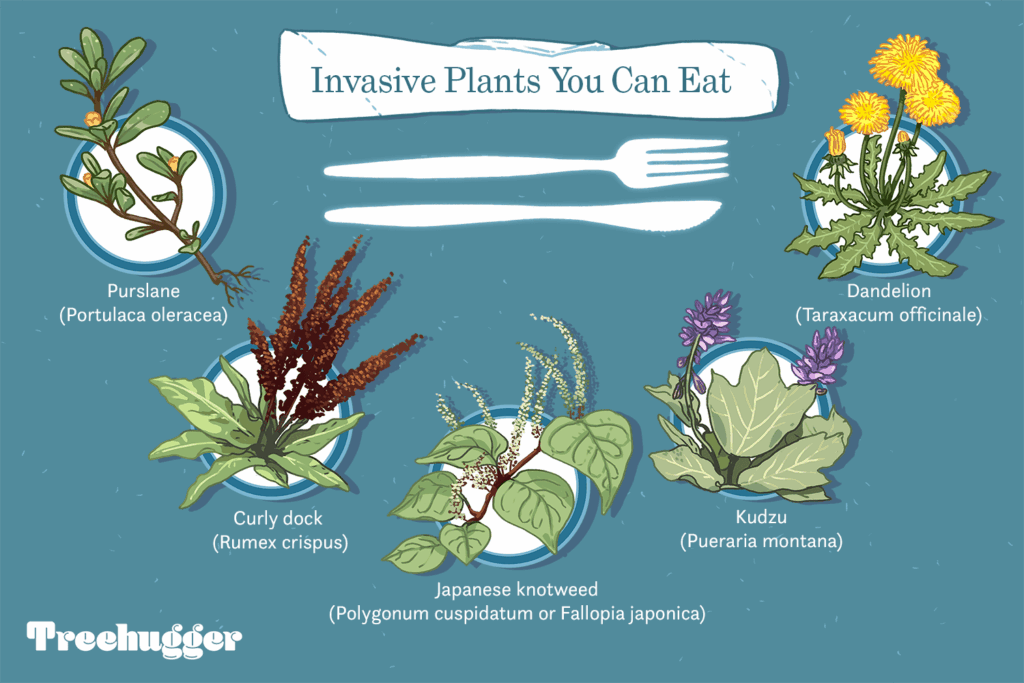
Have you ever stopped to think about the edible wild plants that can be found in your own garden? While many people are familiar with foraging for wild mushrooms and berries, there are many other delicious and nutritious plants that can be used in cooking. In this article, we’ll explore some of the most common garden plants that are safe to eat.
Understanding Edible Wild Plants
Before we dive into the list of edible wild plants, it’s essential to understand that not all plants are safe to eat. Some plants may look similar to poisonous ones, and consuming them can cause harm. Therefore, before attempting to forage for wild plants, make sure to:
- Identify the plant correctly using field guides or expert guidance
- Consult with a botanist or other experienced forager to ensure safety
- Only consume plants that are free of pesticides and heavy metals
Common Edible Wild Plants
Here’s our list of common garden plants that can be eaten:
1. Violets (Viola odorata)
Violets are a popular edible wild plant, and their flowers, leaves, and stems can be used in cooking. They have a sweet, floral flavor and can be used as a garnish or added to salads.
- Use 2-3 violets per serving for best results
- Rinse with water before using in recipes
2. Sunflowers (Helianthus annuus)
Sunflowers are a common garden plant that produces edible seeds, leaves, and petals. The flowers can be eaten raw or cooked, while the leaves and stems can be used in salads or sautéed as a side dish.
- Use 1/4 cup of sunflower seeds per serving
- Use 2-3 cups of sunflower leaves and stems for best results
3. Lavender (Lavandula angustifolia)
While lavender is often associated with its calming properties, it’s also edible! The flowers, leaves, and stems of the plant can be used to make tea, desserts, or as a garnish for salads.
- Use 1/4 cup of dried lavender buds per serving
- Use 2-3 cups of fresh lavender leaves and stems for best results
4. Dandelion Greens (Taraxacum officinale)
Dandelion greens are a popular edible wild plant that can be found in many gardens. They have a slightly bitter flavor and can be eaten raw or cooked as a side dish.
- Use 1 cup of dandelion greens per serving
- Rinse with water before using in recipes
5. Chamomile (Matricaria chamomilla)
Chamomile is another common edible wild plant that’s often used for its calming properties. The flowers, leaves, and stems of the plant can be used to make tea, desserts, or as a garnish for salads.
- Use 1/4 cup of dried chamomile flowers per serving
- Use 2-3 cups of fresh chamomile leaves and stems for best results
6. Plantain (Plantago major)
Plantain is a common garden plant that produces edible leaves and seeds. The leaves can be eaten raw or cooked as a side dish, while the seeds can be roasted or ground into flour.
- Use 1 cup of plantain leaves per serving
- Roast sunflower seeds for best results
7. Nettle (Urtica dioica)
Nettle is a popular edible wild plant that’s rich in nutrients like protein, vitamins, and minerals. The leaves and stems of the plant can be eaten raw or cooked as a side dish.
- Use 1 cup of nettle leaves per serving
- Rinse with water before using in recipes
8. Elderberry (Sambucus nigra)
Elderberry is another common edible wild plant that produces edible berries, flowers, and bark. The berries can be used to make jam, wine, or tea, while the flowers and bark can be used in cooking or as a natural remedy for colds.
- Use 1 cup of elderberries per serving
- Rinse with water before using in recipes
9. Garlic Chives (Allium schoenoprasum)
Garlic chives are a common edible wild plant that produces edible leaves and stems. The leaves and stems can be eaten raw or cooked as a side dish, while the flowers can be used in salads or as a garnish for soups.
- Use 1 cup of garlic chives per serving
- Rinse with water before using in recipes
10. Horseradish (Armoracia rusticana)
Horseradish is another common edible wild plant that produces edible roots, leaves, and stems. The roots can be eaten raw or cooked, while the leaves and stems can be used in salads or sautéed as a side dish.
- Use 1 cup of horseradish roots per serving
- Rinse with water before using in recipes
Conclusion
Edible wild plants can add variety and nutrition to your diet, but it’s essential to understand their safety and proper identification before consuming them. By following these guidelines and exploring the many edible wild plants available in your garden, you can create delicious and nutritious meals that are both sustainable and healthy.
Frequently Asked Questions
- Can I eat all parts of a plant?
- No, not all parts of a plant are safe to eat. Some plants may be toxic or cause allergic reactions if consumed.
- How do I identify edible wild plants?
- Use field guides or expert guidance to identify edible wild plants correctly. Consult with botanists or experienced foragers before attempting to forage for wild plants.
- What are some common poisonous plants that resemble edible ones?
- Some examples of poisonous plants that resemble edible ones include nightshade, hemlock, and poison ivy.
- Can I grow my own edible wild plants at home?
- Yes, you can grow many edible wild plants in your own garden using seed or division.
- How do I prepare edible wild plants for consumption?
- Edible wild plants can be prepared in a variety of ways, including roasting, sautéing, boiling, and drying.
By following these guidelines and exploring the world of edible wild plants, you can create delicious and nutritious meals that are both sustainable and healthy.


