
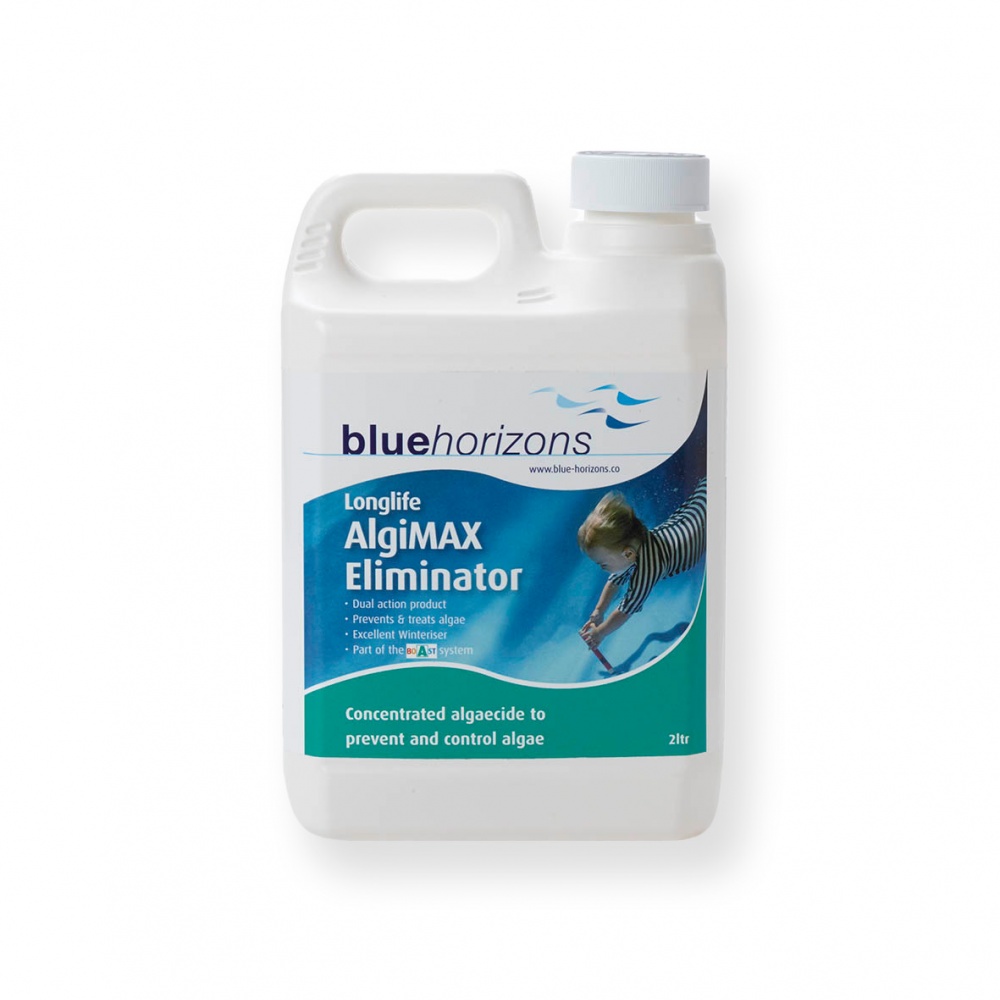
Understanding Algae Control for Aquariums and Pools
Algae control is essential for maintaining the health and beauty of aquariums and pools. In this article, we will explore the different types of algae control methods available, including chemical treatments, natural methods, and lamp-based solutions.
The Importance of Algae Control in Aquariums
Algae can quickly overgrow an aquarium, depleting oxygen levels and causing stress to fish and other aquatic life. This is especially true for newly established aquariums where the biological balance may not be fully established yet. In addition, algae can also clog filters, reduce water quality, and make cleaning more difficult.
Algae Control Methods for Aquariums
There are several types of algae control methods available for aquariums, including:
- Chemical treatments: These involve using products specifically designed to kill or inhibit the growth of algae.
- Natural methods: These include using plants such as Hygrophila, Shinnersia, and Limnophila, which absorb excess nutrients that can fuel algae growth.
Algae Control Methods for Aquariums
Chemical treatments are a popular method of controlling algae in aquariums. There are several types of chemical treatments available, including:
- Algaecides: These are specifically designed to kill algae and are usually applied as a supplement to regular water changes.
- Fertilizers: Using fertilizers that are balanced for aquatic plants can help control algae growth by providing the necessary nutrients without over-feeding the algae.
Natural methods of controlling algae in aquariums are another effective option. Some popular options include:
- Live Plants: Live plants such as Hygrophila, Shinnersia, and Limnophila absorb excess nutrients that can fuel algae growth.
- Algae-eating Fish: Some fish species, such as Plecos and Otocinclus Catfish, are known to eat algae and can be an effective way to control its growth.
Hygrophila
Hygrophila is a popular aquarium plant known for its ability to absorb excess nutrients and control algae growth. It comes in several varieties, including Hygrophila polysperma, Hygrophila corymbosa ‘Thailand’, and Hygrophila difformis.
Shinnersia
Shinnersia rivularis ‘Variegated’ is another effective plant for controlling algae growth. Its ability to absorb excess nutrients makes it an excellent choice for aquariums where algae can quickly overgrow.
Limnophila
Limnophila sessiliflora is a beautiful and effective algae-controlling plant that comes in several varieties, including Limnophila aquatica and Limnophila corymbosa. Its ability to absorb excess nutrients makes it an excellent choice for aquariums where algae can quickly overgrow.
Ceratopteris Cornuta
Ceratopteris cornuta is a unique plant that can help control algae growth by absorbing excess nutrients. While not as well-known as some other plants, it remains a valuable option for aquarium owners looking to reduce algae growth.
Algae Control Methods for Pools
For pools, algae control methods are just as important as those used in aquariums. Algae can quickly cloud the water and reduce its visibility, making it difficult to swim or enjoy pool activities.
Chemical treatments are often used to control algae growth in pools. There are several types of chemical treatments available, including:
- Algaecides: These are specifically designed to kill algae and are usually applied as a supplement to regular water testing.
- Chlorine boosters: These can help maintain the proper level of chlorine in the pool water, which is necessary for controlling algae growth.
Natural methods of controlling algae in pools include:
- Pool covers: Pool covers can help prevent debris from entering the pool and reduce algae growth by blocking sunlight.
- UV lamps: Some UV lamps, such as those with LED lights, can help control algae growth by damaging its cells.
Biotron C
The Biotron C is a high-powered UV lamp designed specifically for pool use. It features a system of autopulser that ensures optimal performance and longevity.
Lampada Easy UV
The Lampada Easy UV is another popular choice for controlling algae growth in pools. This affordable and easy-to-use solution can be found on Amazon and comes in various wattage options.
Best Practices for Algae Control
To ensure effective algae control, there are several best practices that aquarium owners should follow:
- Regular water changes: Regular water changes can help remove excess nutrients that can fuel algae growth.
- Balanced fertilizers: Using balanced fertilizers can help provide the necessary nutrients without over-feeding the algae.
- Algae-eating fish: Some fish species, such as Plecos and Otocinclus Catfish, are known to eat algae and can be an effective way to control its growth.
Conclusion
Algae control is an essential aspect of maintaining healthy aquariums and pools. By choosing the right method, whether it’s chemical treatment, natural method, or lamp-based solution, you can keep your aquatic environment looking its best and ensure the well-being of all inhabitants. Regular water changes, balanced fertilizers, and algae-eating fish are also effective practices for controlling algae growth.
By following these tips and using a combination of methods, you can achieve a thriving and healthy aquarium or pool ecosystem.


