
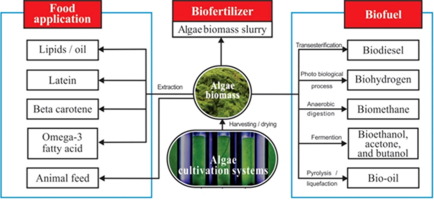
As the world shifts towards more sustainable energy sources, algae have emerged as a promising alternative to traditional biomass. But what makes algae an ideal source of biomassa? And how can we ensure that our use of this resource is environmentally friendly?
Understanding Biomass and its Limitations
Biomass refers to organic matter that can be converted into energy. However, not all biomass is created equal. Traditional sources like agricultural waste, food scraps, and wood are widely used, but they often come with significant environmental drawbacks. For instance, large-scale harvesting of algae for biofuel production has been criticized for its impact on marine ecosystems.
The Rise of Algae as a Sustainable Biomass Source
In recent years, researchers have made significant progress in harnessing the potential of algae as a sustainable biomassa source. The University of Alicante in Spain has developed an innovative system that utilizes algae as a readily available and renewable resource.
Why Algae Are a Better Choice
So, what makes algae an attractive alternative to traditional biomass? For starters, they require significantly less land and water than traditional crops. Additionally, algae can thrive in saline environments, making them an ideal choice for coastal areas where freshwater resources are scarce.
However, there’s more to it than just environmental benefits. Algae also offer several economic advantages:
- Lower production costs: Algae can be cultivated using existing infrastructure, reducing the need for new investments.
- Increased energy density: Algae contain up to 50% of the energy content found in wood, making them a more efficient fuel source.
The Current State of Algae Biomass Production
Despite these advantages, algae biomass production still faces several challenges:
- Scalability: Currently, most algae farms are small-scale and struggle to meet demand.
- Harvesting efficiency: The process of harvesting algae can be time-consuming and labor-intensive.
The Solution: A More Efficient Harvesting Process
Researchers at the University of Alicante have developed a revolutionary new method for harvesting algae that addresses these challenges. Their system uses a mobile platform with three compartments to wash, dry, and compact the algae, reducing waste and increasing efficiency.
This innovative approach not only solves the problem of inefficient harvesting but also incorporates renewable energy sources, such as solar power, to minimize its carbon footprint.
Conclusion
As we move towards a more sustainable future, it’s clear that algae will play an increasingly important role in meeting our energy demands. By harnessing the potential of this resource, we can create a cleaner, greener, and more efficient way forward.
The Future of Algae Biomass Production
As research and development continue to advance, it’s likely that we’ll see significant improvements in the efficiency and scalability of algae biomass production. Some potential areas for future innovation include:
- Advanced harvesting technologies: New methods for harvesting algae could lead to even greater efficiency gains.
- Genetic engineering: Researchers may develop genetically engineered strains of algae that are more resilient to environmental stressors or better suited to specific applications.
- Integrated systems: Future systems could integrate multiple components, such as photobioreactors and harvesting technologies, to create more efficient and sustainable production processes.
Addressing Environmental Concerns
While the potential of algae biomass is significant, it’s essential to address environmental concerns that have been raised about large-scale algae farming. Some possible solutions include:
- Marine protected areas: Establishing marine protected areas can help safeguard ecosystems while allowing for responsible algal cultivation.
- Sustainable land use practices: Implementing sustainable land use practices, such as agroforestry or permaculture, can reduce the environmental impact of algae production.
- Closed-loop systems: Designing closed-loop systems that recycle water and nutrients could minimize waste and reduce the need for external resources.
Challenges and Opportunities
While there are many challenges associated with algae biomass production, there are also numerous opportunities for innovation and growth. Some potential areas for development include:
- Policy and regulation: Governments and regulatory bodies can play a critical role in supporting the development of algae biomass by creating favorable policies and regulations.
- Industry collaboration: Collaboration between industry stakeholders, researchers, and policymakers is essential to drive progress and address challenges.
- Public awareness and education: Raising public awareness about the potential benefits and limitations of algae biomass production can help build support for this technology.
Conclusion
As we move forward in our quest for a more sustainable future, it’s clear that algae will play an increasingly important role in meeting our energy demands. By harnessing the potential of this resource, we can create a cleaner, greener, and more efficient way forward.


