
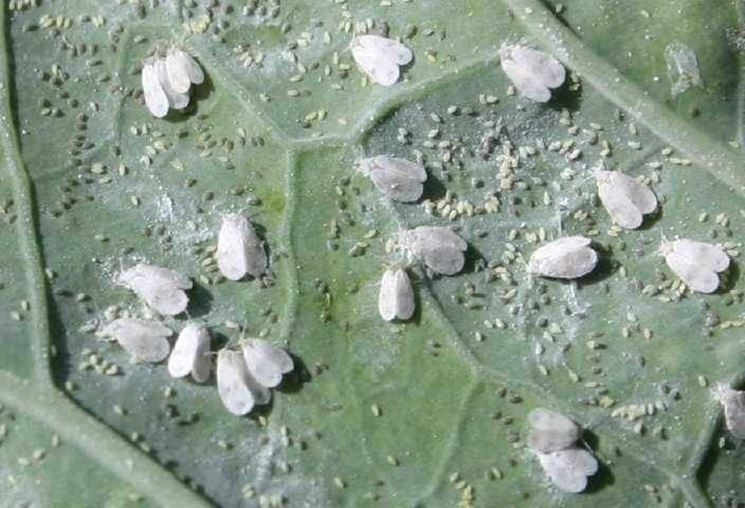
As a gardener, have you ever noticed small white insects flying around your plants? These tiny creatures are known as aleurodide or whiteflies. In this article, we will delve into the world of these pesky pests and explore how to identify them, prevent their infestation, and use natural remedies to control their population.
What Are Aleurodide?
Aleurodide are small, winged insects that feed on plant sap, causing damage to garden plants. They are closely related to aphids and scale insects and can be found in various parts of the world. These pests are usually white or yellowish in color and have a characteristic triangular shape.
Identifying Aleurodide
To identify aleurodide, look for these pests on the undersides of leaves, particularly around the veins. They lay their eggs on the underside of leaves, which can hatch into small, oval-shaped larvae that feed on plant sap. The adults are attracted to the sticky substance produced by the larvae, known as melata.
The Importance of Melata
Melata is a sticky substance produced by aleurodide larvae when they feed on plant sap. It can cause damage to plants and create an ideal environment for fungal diseases to develop. When melata dries out, it can attract other pests like ants and aphids, making the infestation worse.
Preventing Aleurodide Infestations
To prevent aleurodide infestations, use a combination of natural remedies and good gardening practices. Here are some tips to get you started:
- Inspect your plants regularly: Check the undersides of leaves for eggs, larvae, and adults.
- Use physical barriers: Cover your plants with fine-mesh nets or row covers to prevent aleurodide from reaching them.
- Apply insecticidal soap or neem oil: Spray these products on your plants to kill aleurodide and other pests.
Natural Predators
Aleurodide have natural predators that can help control their population. Some of these predators include:
- Ladybugs: These beneficial insects feed on aleurodide and other pests.
- Lacewings: Lacewings are known to prey on aleurodide and other small insects.
- Parasitic wasps: These wasps lay their eggs inside aleurodide eggs, killing the larvae before they hatch.
Using Traps
To trap aleurodide, you can use a combination of sticky traps and bait stations. Here are some tips to get you started:
- Use yellow tape or cardboard: Aleurodide are attracted to light colors, so use yellow tape or cardboard to create a trap.
- Add a sweet liquid bait: Use a sweet liquid bait like sugar water or fruit juice to attract aleurodide.
- Place the trap near infested plants: Position the trap near plants that have been infested with aleurodide.
Biological Control Methods
Biological control methods involve using living organisms to control pest populations. Some biological control methods for aleurodide include:
- Introducing beneficial insects: Introduce ladybugs, lacewings, or parasitic wasps into your garden to control aleurodide populations.
- Using natural predators: Encourage natural predators like birds and bats to prey on aleurodide.
Chemical Control Methods
Chemical control methods involve using pesticides to kill pests. Some chemical control methods for aleurodide include:
- Insecticidal soap: Spray insecticidal soap on plants to kill aleurodide.
- Neem oil: Use neem oil to kill aleurodide and other pests.
Organic Pesticides
Organic pesticides are derived from natural sources and do not contain synthetic chemicals. Some organic pesticides for aleurodide include:
- Pyrethrin: Pyrethrin is a natural pesticide derived from chrysanthemum flowers.
- Neem oil: Neem oil is a natural pesticide derived from the seeds of the neem tree.
Cultural Controls
Cultural controls involve modifying garden practices to prevent pest infestations. Some cultural controls for aleurodide include:
- Planting pest-resistant varieties: Plant varieties that are resistant to aleurodide.
- Pruning plants regularly: Prune plants regularly to remove any infested leaves or stems.
Fungicides
Fungicides are used to control fungal diseases. Some fungicides for aleurodide include:
- Bacillus subtilis: Bacillus subtilis is a natural fungus that can be used as a fungicide.
- Trichoderma harzianum: Trichoderma harzianum is a natural fungus that can be used as a fungicide.
Conclusion
Aleurodide can be a significant pest for gardeners, causing damage to plants and creating an ideal environment for fungal diseases to develop. However, by using natural remedies and good gardening practices, you can control their population and protect your plants. Remember to inspect your plants regularly, use physical barriers, apply insecticidal soap or neem oil, and encourage natural predators like ladybugs, lacewings, and parasitic wasps.
Frequently Asked Questions
Q: What are the symptoms of an aleurodide infestation?
A: The symptoms of an aleurodide infestation include yellowing or stunted leaves, black spots on leaves, and a sticky substance on leaves that dries out to form a powdery white residue.
Q: How do I get rid of aleurodide?
A: To get rid of aleurodide, use a combination of natural remedies like insecticidal soap or neem oil, physical barriers, and encouraging natural predators. Inspect your plants regularly and remove any infested leaves to prevent the spread of the pest.
Q: Can I use chemical pesticides to control aleurodide?
A: While chemical pesticides can kill aleurodide, they can also harm beneficial insects like ladybugs and lacewings that prey on these pests. Instead, use natural remedies and good gardening practices to control their population.
Q: How can I prevent aleurodide infestations in my garden?
A: To prevent aleurodide infestations in your garden, inspect your plants regularly, use physical barriers like fine-mesh nets or row covers, and encourage natural predators like ladybugs and lacewings. Also, apply insecticidal soap or neem oil to kill aleurodide and other pests.
Q: Can I use aleurodide as a food source for beneficial insects?
A: Yes, you can use aleurodide as a food source for beneficial insects like ladybugs and lacewings. However, make sure to introduce the pests slowly into your garden to avoid overwhelming them with a large population.
Q: Are there any specific plants that are more susceptible to aleurodide infestations?
A: Some plants are more susceptible to aleurodide infestations than others. These include fruits like strawberries and raspberries, vegetables like lettuce and spinach, and flowers like roses and carnations.


