
Introduction
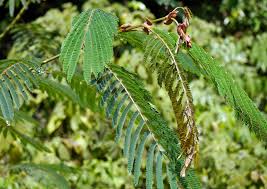
In the realm of ornamental plants, few trees evoke as much awe and admiration as the Albizia. With its stunning foliage and vibrant flowers, it’s no wonder that this majestic tree has been a favorite among gardeners and botanists for centuries. Originating from the subtropical regions of Asia, the Albizia is part of the Fabaceae family, which also includes other beloved plants like Acacia and Pea trees. In this article, we’ll delve into the world of Albizia, exploring its characteristics, cultivation, diseases, and unique features that make it a sought-after addition to any garden.
The Main Species of Albizia
With over 50 species to choose from, the Albizia offers an impressive range of options for gardeners. Among the most notable species are:
- Albizia Julibrissin: Also known as the “Tree of Silk” or “Acacia of Constantinople,” this is the most widely cultivated and admired species. Its showy white flowers and long, staminate inflorescences make it a standout in any garden.
- Albizia Lebbeck: With its yellowish-green flowers, this species offers a beautiful alternative to the more traditional Albizia Julibrissin.
- Albizia Lophanta: This smaller species boasts vibrant yellow flowers and rapid growth, making it an excellent choice for those looking for a compact, low-maintenance option.
Cultivation
When it comes to cultivating Albizia, there are several key factors to consider. Here are some essential tips:
- Climate: Albizia thrives in temperate climates with mild winters and warm summers.
- Sunlight: These trees prefer full sun but can tolerate partial shade.
- Soil: A well-draining soil with a slightly acidic pH is ideal for Albizia growth.
To ensure optimal growth, it’s also essential to provide regular watering, pruning, and fertilization. Be sure to prune your Albizia tree annually in the late autumn or early winter to maintain its shape and promote healthy growth.
Diseases
While Albizia is generally a hardy plant, there are some diseases that can affect it. One of the most significant threats is the psyllid, a tiny insect that can cause extensive damage to the tree’s leaves and stems. To protect your Albizia from psyllids, apply a mixture of water and soap solution to the affected areas.
Another common disease affecting Albizia is root rot, which can be caused by overwatering or poor drainage. Regularly inspect your tree for signs of root rot, such as yellowing leaves or softening stems.
Pest Management
In addition to diseases, Albizia trees may also be susceptible to pests like aphids and spider mites. These tiny insects can cause damage to the tree’s leaves and flowers. To manage these pests, use a mixture of water and soap solution to treat affected areas.
Fertilization and Pruning
To ensure optimal growth and health, it’s essential to fertilize your Albizia tree regularly. Use a balanced fertilizer that contains nitrogen, phosphorus, and potassium (NPK). Follow the manufacturer’s instructions for application rates.
Pruning is also an essential part of Albizia care. Prune your tree annually in the late autumn or early winter to maintain its shape and promote healthy growth. Remove any dead or damaged branches, and thin out the foliage to allow for proper air circulation.
Pollination
Albizia trees require pollination to produce flowers. These trees are self-pollinating, but cross-pollination can also occur when multiple Albizia trees are planted in close proximity. To ensure optimal pollination, plant your Albizia tree near other members of the Fabaceae family.
The Fruits of Albizia
While the flowers of the Albizia are undoubtedly stunning, the fruit of this tree is also worth mentioning. The pods, which resemble large beans, contain several seeds that can be harvested in late autumn.
In conclusion, the Albizia is a majestic and versatile tree that offers many benefits for gardeners and botanists alike. With its stunning foliage, vibrant flowers, and durable wood, it’s no wonder that this ancient species has been cherished for centuries.
Frequently Asked Questions
- Q: Can I grow an Albizia in my backyard?
A: Yes, with proper care and attention to climate, sunlight, and soil requirements. - Q: How do I protect my Albizia from psyllids?
A: Use a mixture of water and soap solution to treat affected areas. - Q: Can I eat the pods or seeds of an Albizia tree?
A: While technically edible, these parts are not recommended for consumption due to potential toxicity. - Q: How long does it take for an Albizia tree to grow?
A: This depends on factors like climate and care; generally, a mature tree can reach heights of 20-30 feet within 5-7 years. - Q: Can I propagate an Albizia tree using cuttings or division?
A: Yes, but this process requires proper preparation and attention to detail.


