
Introduction
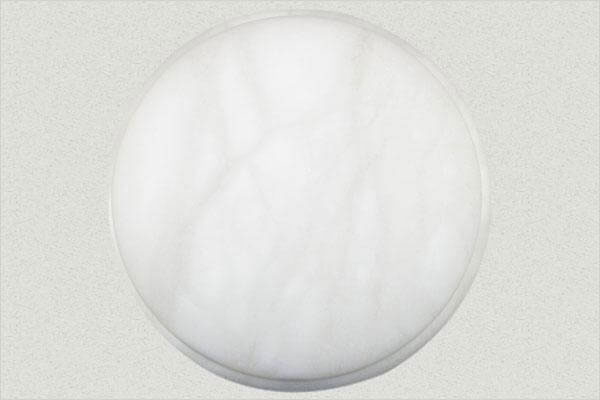
Alabaster, a name synonymous with elegance and sophistication, has been a prized material for centuries. Originating from the Greek word “aleibazer”, meaning “white salt”, alabaster has been utilized in various aspects of art, architecture, and spirituality. In this comprehensive article, we will delve into the world of alabaster, exploring its properties, uses, and significance.
What is Alabaster?
Alabaster is a type of rock that belongs to the calcite family. It is composed of calcium sulfate and water, making it a soft, yet durable material. Unlike marble, which is harder and more rigid, alabaster is more pliable and easier to work with. This unique characteristic has made it an ideal choice for craftsmen and artisans throughout history.
Types of Alabaster
Alabaster comes in various colors, including white, black, gray, yellow, pink, and green. The white variety, often referred to as “white alabaster,” is particularly prized for its beauty and rarity. Some sources suggest that the pyramids of Giza were originally covered with white alabaster, which would have reflected the moonlight at night.
Alabaster and Volterra
In Italy, alabaster is renowned for its high quality and is often associated with the city of Volterra. The alabaster found in Volterra is of a gossan origin, formed during the Miocenico era. This type of alabaster has been used extensively in art and architecture, particularly in decorative items and ornamental objects.
Properties of Alabaster
Alabaster has several unique properties that make it an attractive material for various applications:
- Cristalloterapia: Alabaster is believed to possess healing properties, which can be utilized in crystal therapy. It is said to enhance mental clarity, improve communication skills, and promote a sense of well-being.
- Fisical benefits: Alabaster is also thought to have physical benefits, such as relieving muscle tension, improving sensitivity, and reducing pain associated with bruxism.
- Zodiac associations: Alabaster is linked to the zodiac signs of Taurus and Libra.
Formula and Physical Properties
The chemical formula for alabaster is CaSO4·2H2O. In terms of physical properties:
- Transparency: Alabaster can be translucent or opaque, depending on its quality.
- Crystal system: It has a monoclinic crystal structure.
- Hardness: Alabaster has a hardness of 2.
- Density: Its density ranges from 2.30 to 2.33 grams per cubic centimeter.
- Texture: The texture can be granular and irregular.
History of Alabaster
Alabaster has been used for thousands of years, with evidence of its use dating back to ancient civilizations such as Egypt, Greece, and Rome. In these cultures, alabaster was valued for its beauty and durability, and it was often used in decorative objects, jewelry, and even funerary rites.
Artistic Applications
Alabaster has been a popular material among artists throughout history due to its unique properties and versatility. From intricate carvings to elaborate sculptures, alabaster has been used to create stunning works of art that continue to captivate audiences today.
Modern-Day Uses
In addition to its artistic applications, alabaster continues to be used in various industries, including:
- Cosmetics: Alabaster is often used in skincare products due to its purported healing properties.
- Jewelry: White alabaster is a popular choice for jewelry makers due to its beauty and rarity.
- Decorative objects: Alabaster is often used in decorative objects, such as vases, sculptures, and figurines.
Conclusion
Alabaster is a fascinating material with a rich history and diverse applications. From its use in ancient civilizations to its modern-day significance, alabaster continues to captivate audiences with its unique beauty and versatility.
Frequently Asked Questions
- Q: What is the difference between alabaster and marble?
A: Alabaster is softer and more pliable than marble. - Q: Can alabaster be used for decorative purposes?
A: Yes, alabaster is often used in decorative objects and ornaments due to its unique appearance. - Q: How is alabaster formed?
A: Alabaster is formed through geological processes, such as sedimentation and concentration of calcium sulfate. - Q: What are the benefits of using alabaster in crystal therapy?
A: Alabaster is believed to enhance mental clarity, improve communication skills, and promote a sense of well-being.


