
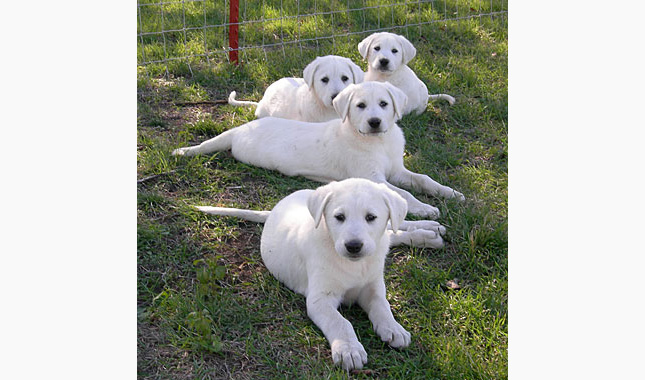
The Akbash is a majestic canine breed known for its striking white coat and impressive physique. A member of the molosser family, it shares genetic ties with other notable breeds such as the Cane dei Pirenei, Pastore di Tatra, and Maremmano Abruzzese. Originating from Turkey, this nearly extinct breed is primarily used as a guardian dog but excels when properly trained to become an exceptional protector.
Table of Contents
- Characteristics of the Akbash
- Dietary Requirements of the Akbash
- Raising an Akbash
- Training an Akbash
- The Cost of Owning an Akbash
Characteristics of the Akbash
The Akbash’s impressive size ranges from 70 to 85 cm in height, with a weight of approximately 40-55 kg. Its distinctive white coat is believed to have originated through selective breeding aimed at diversifying the breed and making it easily recognizable, even in complete darkness.
Key features of this majestic dog include:
- Robust legs
- Thick, elastic paw pads with clear or dark colors
- Muscular body and strong back
- Compact head with an extended muzzle and tail
- Arched ears that tend to droop towards the ground
- Large, almond-shaped eyes ranging from light brown to golden brown
This intelligent and loyal breed is known for its balanced temperament. Akbash dogs form deep bonds with their owners and family members, displaying loyalty, intelligence, and a strong protective instinct.
Alimentation of the Akbash
Akbash’s dietary needs are similar to those of other large breeds. A well-balanced diet consisting of high-quality dog food can meet its nutritional requirements. Some essential components include:
- Protein-rich meat
- Whole grains like barley, oats, and rice
- Vegetables for fiber and vitamins
- Limited dairy products (avoiding milk altogether)
- Fish, rich in phosphorus and omega-3 fatty acids
Akbash’s dietary needs can vary depending on their age, size, and activity level. It’s recommended to consult with a veterinarian or canine nutritionist to determine the best diet for your Akbash.
Raising an Akbash
To maintain the Akbash’s physical health, regular grooming is necessary. This includes:
- Daily brushing to prevent matting and tangling
- Weekly nail trimming and ear cleaning
- Regular bathing (depending on environmental conditions)
Space-wise, this breed doesn’t require extensive exercise but needs a secure area for its daily activities.
Regular veterinary check-ups are also essential to ensure the health and well-being of your Akbash. The cost of these check-ups can vary depending on factors such as location, veterinarian experience, and the dog’s age and health status.
Training an Akbash
Akbash dogs are naturally protective and instinctive. Proper training is crucial to channeling their energies positively:
- Early socialization with humans and other animals
- Consistent training using positive reinforcement techniques
- Encouraging loyalty and obedience without suppressing their natural instincts
Positive reinforcement training methods can help strengthen the bond between you and your Akbash, while also promoting good behavior and reducing the risk of aggression or unwanted behaviors.
The Cost of Owning an Akbash
Due to its rarity, owning an Akbash can be quite expensive. The average price for a puppy ranges from €700-€1,000. However, this cost can vary depending on factors such as breeder reputation, bloodline quality, and the dog’s age.
In addition to the initial purchase price, there are several other expenses associated with owning an Akbash, including:
- Spaying or neutering (approximately €500-€1,000)
- Vaccinations and preventatives (approximately €100-€300 per year)
- Grooming supplies (approximately €50-€100 per month)
- Food and treats (approximately €50-€100 per week)
Overall, the cost of owning an Akbash can range from €1,500 to €5,000 in the first year alone. However, with proper care and attention, this breed can provide a lifelong companion and sense of security for you and your family.
Frequently Asked Questions (FAQs)
- Q: What is the life expectancy of an Akbash?
A: The average lifespan of an Akbash is 10-12 years. - Q: How often should I bathe my Akbash?
A: Bathing frequency depends on environmental conditions, but a minimum of twice a year is recommended. - Q: Are Akbash dogs suitable for families with young children?
A: Due to their protective nature and high energy levels, it’s essential to carefully consider this aspect before bringing an Akbash into your household. - Q: What are some common health issues in Akbash dogs?
A: Regular check-ups with a veterinarian can help identify potential health concerns early on. Common issues include hip dysplasia, eye problems, and allergies. - Q: Can I train my Akbash to obey commands?
A: With consistent training using positive reinforcement techniques, your Akbash can learn to respond to basic commands and become an exceptional companion. - Q: How much exercise does an Akbash need?
A: Regular walks and playtime are essential for maintaining the physical health and mental well-being of this breed. - Q: Are Akbash dogs easy to handle?
A: Their natural protective instincts make them a challenge to handle, especially for inexperienced owners. Patience, understanding, and proper training are necessary to ensure harmonious relationships between humans and dogs. - Q: Can I keep an Akbash as a companion dog?
A: While Akbash dogs can form strong bonds with their owners, they are not typically considered “lap dogs” due to their high energy levels and protective nature.
In conclusion, the Akbash is a majestic breed that requires careful consideration before bringing it into your household. With proper care, attention, and training, this breed can provide a lifelong companion and sense of security for you and your family.


